Brazil Inflation Rises 0.62% in May as Ibovespa Gains on Middle East Optimism
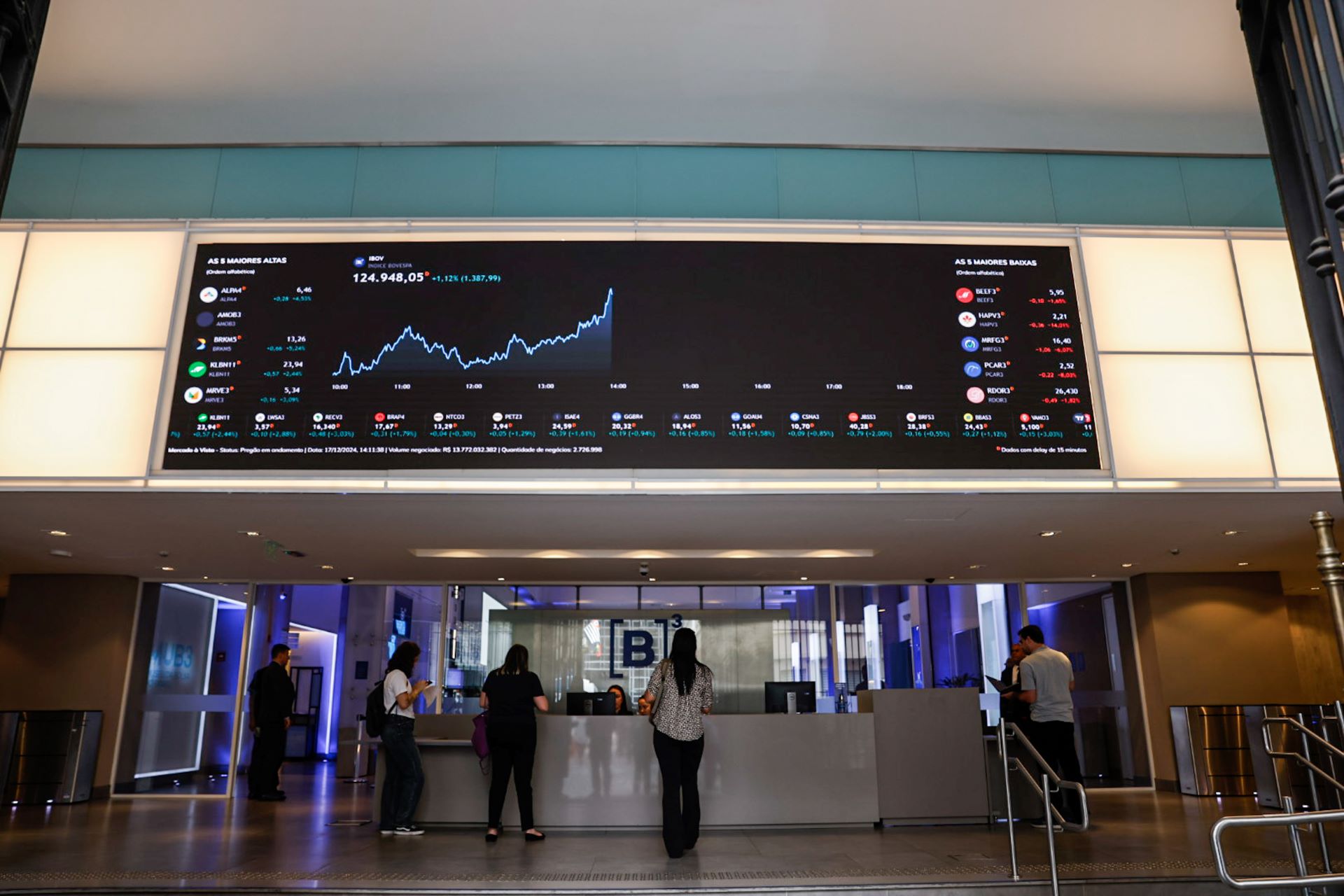
The Ibovespa futures surged 0.3% to 187,953 on May 27, 2026, as Middle East ceasefire hopes and Brazil’s May IPCA-15 inflation print (0.62%) reshaped investor sentiment. Food prices and utility bills drove the inflation spike, while services inflation remains a lingering threat to the central bank’s easing timeline. The market now faces a critical juncture: can fading tariff effects and slower growth sustain the rally, or will services inflation derail the recovery?
The Inflation Ceiling: Why IPCA-15 Matters More Than the Headline
Brazil’s IPCA-15—a 15-day preview of official inflation—rose 0.62% in May, the highest since February, according to the IBGE’s official release. The surge was led by food costs (up 1.37%) and electricity bills (up 1.12%), but the real market watcher is services inflation, which remains elevated at 0.53% month-over-month. This isn’t just noise—it’s the wildcard that could force the Central Bank of Brazil (BCB) to delay rate cuts.
“The IPCA-15 print is a wake-up call. If services inflation doesn’t cool, the BCB will have no choice but to pause its easing cycle. The market is pricing in 100bps of cuts by year-end—those bets may need revisiting.”
Food and Utilities: The Two Horsemen of the Inflation Spike
Food inflation hit 1.37% in May, with staples like beans, rice, and dairy leading the charge. The IBGE data shows meat prices rose 0.89%, while dairy climbed 1.12%. Meanwhile, electricity tariffs surged 1.12% due to higher energy costs—directly tied to Brazil’s hydroelectric dependency and recent drought concerns.
Services Inflation: The Silent Killer of Market Optimism
While food and utilities grab headlines, services inflation (0.53% MoM) is the stealth threat. Economists warn this could delay the BCB’s rate cuts, which are already telegraphed as gradual. The CNN Brasil report cites persistent wage growth and tight labor markets as the primary drivers. For companies, this means higher input costs without immediate pass-through to consumers.
Ibovespa’s Rally: A Fragile Optimism
The Ibovespa’s 0.3% gain reflects two key catalysts: Middle East ceasefire hopes and fading tariff effects. But the rally is built on sand. The InfoMoney analysis highlights that sequential core inflation is expected to cool toward mid-year, but the path isn’t linear. The BCB’s latest monetary policy statement signals caution, emphasizing “gradual normalization” rather than aggressive cuts.
“The market is pricing in a dovish pivot, but the IPCA-15 data complicates that. If services inflation stays sticky, the BCB will have to walk a tightrope—balancing growth concerns with inflation risks.”
The B2B Problem: How This Affects Corporate Brazil
For companies, the inflation-services dynamic creates a perfect storm: higher costs without pricing power. Here’s how businesses are reacting—and where B2B solutions come into play:
- Supply Chain Resilience: Food and utility cost volatility is forcing manufacturers to diversify suppliers. Firms are turning to supply chain risk management firms to mitigate exposure, particularly in agribusiness and energy-intensive sectors.
- Pricing Strategy: With services inflation eating into margins, companies are consulting revenue optimization specialists to recalibrate pricing models without alienating consumers.
- Financial Hedging: The uncertainty around BCB rate cuts is pushing corporates toward derivatives and FX risk management to lock in costs. Banks and brokers are seeing a surge in demand for inflation-linked instruments.
The Directory Bridge: Where to Turn for Solutions
As Brazil’s economic crosscurrents intensify, the right B2B partners can mean the difference between resilience and vulnerability. Here’s where to look:
- Macroeconomic Consulting Firms: For real-time inflation forecasting and BCB policy scenario modeling.
- Energy Trading & Risk Management: To hedge against utility cost volatility, especially for industrial clients.
- Agribusiness Supply Chain Solutions: For food manufacturers navigating input cost shocks.
The Bottom Line: A Market on a Knife’s Edge
The Ibovespa’s rally is a temporary reprieve, not a trend. The real test begins in Q3, when the BCB’s next move will hinge on services inflation. For businesses, the message is clear: adapt now or risk being caught in the crossfire. The World Today News Directory is your playbook—where the right partners can turn Brazil’s economic headwinds into strategic advantages.