Bratislava Rises as Volkswagen’s New Flagship Plant Outpaces Wolfsburg’s Decline
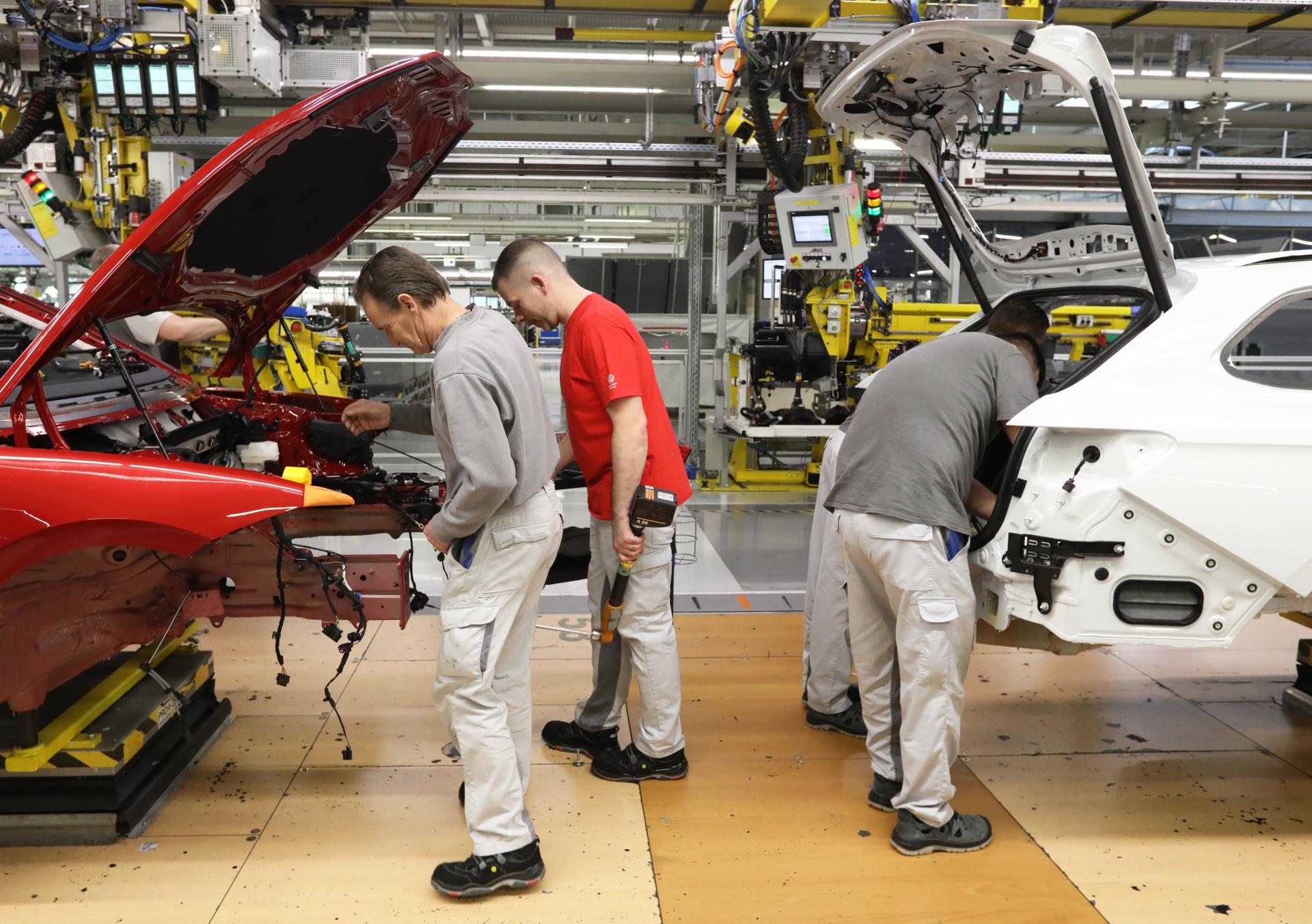
Volkswagen Group is undergoing a strategic recalibration, shifting production capacity from its historic Wolfsburg hub to the Bratislava plant in Slovakia. This pivot, driven by the rollout of a new flagship SUV, highlights a broader industrial migration within the European automotive sector as firms prioritize operational efficiency over legacy site loyalty.
The core fiscal tension here is unmistakable. Wolfsburg faces workforce reduction pressures, while Bratislava scales up to meet the anticipated demand for the upcoming 2027 Atlas SUV. This divergence isn’t merely a logistical adjustment; it is a fundamental reallocation of capital and labor to optimize EBITDA margins in an increasingly competitive electric and premium-combustion transition phase. For stakeholders, the question is whether this geographic shift can effectively neutralize the inflationary pressures currently eroding manufacturing margins across the Eurozone.
When an industrial giant pivots its manufacturing footprint, the ripple effects are felt across the entire supply chain. Small-to-mid-sized enterprises (SMEs) often find themselves adrift as original equipment manufacturers (OEMs) demand immediate, cost-effective scaling at new locations. Here’s where professional supply chain management firms become indispensable. Firms that fail to secure their logistics and vendor contracts during such transitions risk significant revenue leakage.
Capital Allocation and the Shift to High-Efficiency Hubs
Volkswagen’s decision to emphasize the Bratislava facility underscores a shift toward regional specialization. By leveraging the existing infrastructure in Slovakia, the company aims to streamline production costs for its high-margin flagship models. This strategy is essential as global automotive markets contend with rising interest rates and the high cost of debt, which constrain the ability of manufacturers to rely on cheap credit for expansion.
Institutional investors are watching closely. The ability to maintain a healthy free cash flow while aggressively pivoting production is a key metric for gauging long-term viability. As Oliver Blume, Chairman of the Board of Management of Volkswagen AG, continues to navigate this transition, the emphasis remains on operational discipline. Blume’s background in production planning, dating back to his roles at AUDI AG and his tenure at Porsche AG, suggests a leadership style that favors lean manufacturing and high-output efficiency over territorial sentimentality.
The automotive sector is no longer playing for market share alone; it is playing for the right to remain profitable in a high-cost capital environment. Regional manufacturing hubs are becoming the frontline of defense against margin compression.
Addressing the Human Capital and Labor Friction
The workforce reduction in Wolfsburg creates a distinct set of challenges, particularly regarding local labor regulations and collective bargaining agreements. Managing these human capital shifts requires precision. In many cases, corporations facing such drastic restructuring turn to specialized labor and employment law firms to mitigate the risk of litigation and operational disruption. The cost of failing to manage these transitions effectively—both in terms of severance liabilities and potential strikes—can be catastrophic to quarterly earnings.
The fiscal reality is that labor costs as a percentage of total revenue must be tightly controlled to satisfy shareholders. As Bratislava ramps up, the challenge for management will be maintaining quality control standards that are consistent with the Volkswagen brand identity while scaling production volume. This requires advanced predictive maintenance and quality assurance systems, often sourced from high-tier enterprise technology providers.
Operational Efficiency Metrics
| Operational Focus | Strategic Outcome | Risk Factor |
|---|---|---|
| Production Migration | Reduced unit cost in Bratislava | Supply chain fragmentation |
| Workforce Optimization | Lower fixed labor overhead | Legal and regulatory friction |
| Flagship Rollout | Increased Average Selling Price (ASP) | Market saturation in SUV segment |
The Future of European Manufacturing
The move toward the Bratislava plant is a bellwether for the broader European industrial landscape. As companies navigate the complexities of the 2026 and 2027 fiscal years, You can expect a continued trend of consolidating production into facilities that offer the best balance of proximity to key markets and labor cost efficiency. The “Wolfsburg-to-Bratislava” transition is merely one episode in a larger narrative of industrial survival.

Investors should monitor the upcoming quarterly reports for indicators that these operational shifts are translating into tangible EBITDA improvements. The market will reward those firms that demonstrate the agility to prune legacy assets while simultaneously investing in high-growth, high-margin platforms.
For firms navigating their own transitions, the lesson is clear: the ability to pivot is not a luxury, but a core component of fiscal health. Whether you are scaling operations, restructuring internal divisions, or mitigating the risks of supply chain volatility, the need for expert guidance is paramount. For those seeking vetted partners to navigate these complex corporate shifts, the World Today News Directory provides access to the leading corporate advisory firms prepared to assist in your next strategic move.