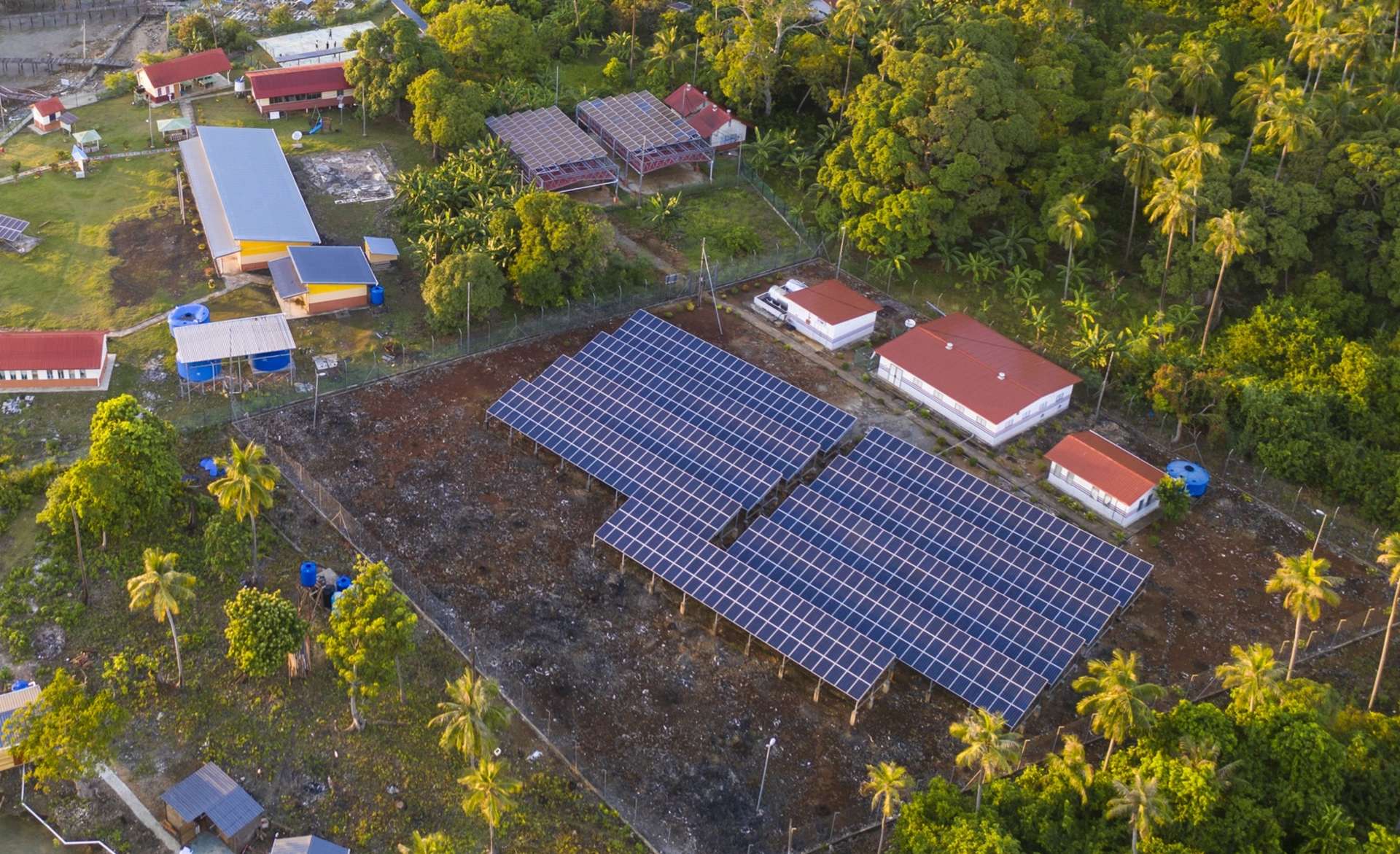
BMW EV Batteries Power 20 Orang Asli Homes with Solar in Malaysian Village
BMW Group Malaysia and Universiti Malaya switched on a solar-and-storage system at Kampung Saweh on Oct. 27, giving 20 Semai Orang Asli households round-the-clock electricity for the first time, The Cool Down reported. The installation uses 30 repurposed BMW battery modules and second-life solar panels to replace generators that ran only four hours a night.
From four hours to 24
Villagers previously relied on petrol and diesel generators costing each household about 10 Malaysian ringgit ($2.43) per day, mainly for lighting and fans, The Cool Down reported. The new centralized system delivers a daily allocation of 3 kilowatt-hours per home from an 8 kW combined inverter output, according to The Sun.
How the system works
Researchers at UM’s Power Energy Dedicated Advanced Centre (UMPEDAC), led by associate professor Tan Chia Kwang, spent two years developing methods to assess, grade and rebuild packs from used EV cells, The Cool Down reported. The 30 modules at Kampung Saweh are housed in a shelter built from local wood and bamboo and are expected to remain operational for at least five more years, BMW Group Malaysia said.
Daytime charging from the retired commercial-farm solar panels stores energy for the evening peak, The Cool Down reported. Unused capacity is shared across the village automatically, The Sun noted.
Refrigeration changes daily life
Families who hunt and gather had to consume or share perishable meat immediately because they lacked cold storage, BMW Group Malaysia said. The system is designed to support refrigerators as households acquire them, The Sun reported.

Second application for the research programme
The Kampung Saweh project is the second deployment under the BMW–UM RE:GENERATE initiative. In August, three battery modules retaining only 30–40% of original capacity were installed at the UM Sentral bus stop to power a 1.5 kWh smartphone charging station serving more than 3,000 people daily, The Sun reported. Higher-capacity modules from the same programme were reserved for the rural electrification site.
Batteries find second life powering homes
BMW Group Malaysia and Universiti Malaya formalized their collaboration in January 2026, with BMW supplying retired electric vehicle batteries for researchers to test and repurpose. The batteries, which had reached the end of their automotive service life, were given a new job keeping the lights on in Kampung Saweh, SoyaCincau reported.
The system uses 30 of these repurposed BMW battery modules, which are housed in a shelter built from local wood and bamboo. BMW Group Malaysia expects the batteries to remain operational for at least five more years, providing a sustainable energy solution for the village.
Collaboration expands to campus charging
The Kampung Saweh project is the second deployment under the BMW–UM RE:GENERATE initiative.
Universiti Malaya’s Power Energy Dedicated Advanced Centre (UMPEDAC) focuses on repurposing electric vehicle batteries for sustainable energy solutions. Earlier that year, BMW Group Malaysia and UM formalized their collaboration, with the university testing and repurposing retired EV batteries to power rural communities, as reported by SoyaCincau.
Costs beyond donated hardware
The project was jointly funded by UMCares, Japan’s Ritsumeikan University and Tech Inspiration Systems, the outlet noted.