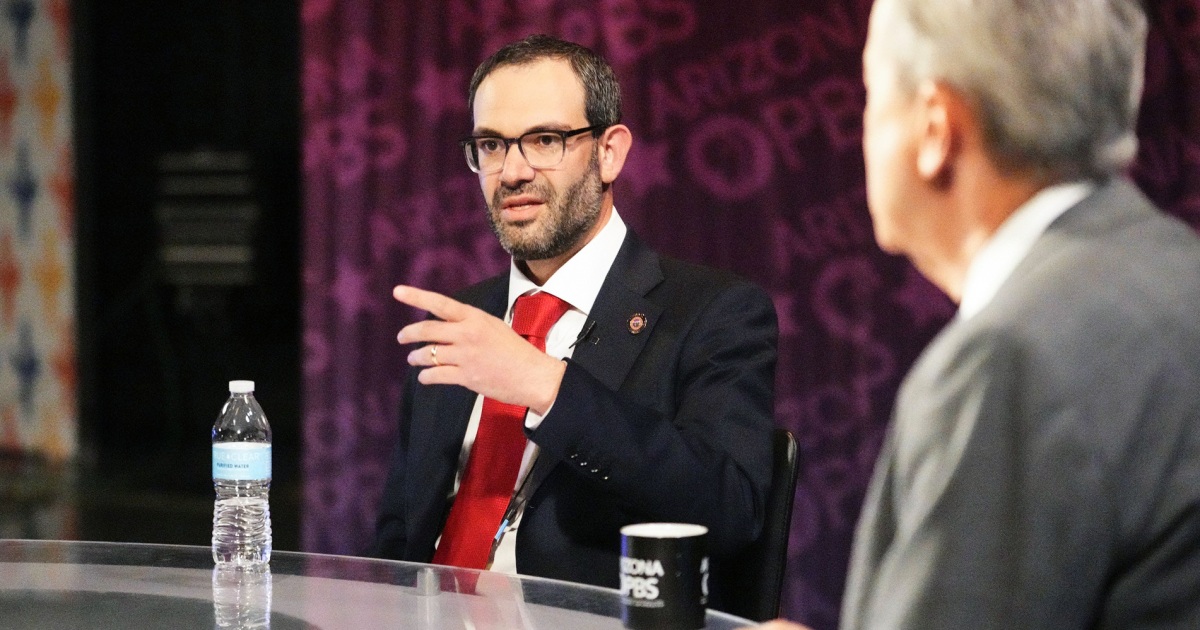
Alex Kolodin Set to Face Democratic Incumbent Adrian Fontes in Upcoming Election
Arizona attorney Alexander Kolodin has secured the Republican nomination for Secretary of State, defeating former state GOP chair Gina Swoboda. As of July 22, 2026, Kolodin’s victory sets up a general election contest against Democratic incumbent Adrian Fontes. The race centers on the administration of Arizona’s electoral systems and future ballot integrity protocols.
The Path to the Nomination and the General Election Stakes
The Republican primary results, confirmed by NBC News, signal a decisive shift in the party’s approach to the Secretary of State’s office. Kolodin, a lawyer known for his active involvement in litigation surrounding the 2020 and 2022 election cycles, ran on a platform emphasizing aggressive oversight of voting machines and voter rolls. His primary victory over Swoboda indicates a base preference for candidates with a history of direct legal challenges to established election procedures.
The incumbent, Adrian Fontes, has consistently defended the security of Arizona’s voting infrastructure, frequently pointing to bipartisan audits and statutory safeguards. The upcoming contest is expected to be one of the most high-stakes races in the country, given Arizona’s status as a critical battleground state. The office of the Secretary of State holds the ultimate authority over the certification of election results, making this race a focal point for both national parties.
Legal Precedents and the Role of Election Litigation
Kolodin’s professional background is defined by his participation in various lawsuits aimed at overturning or modifying Arizona election results. These efforts, while frequently unsuccessful in court, have become a cornerstone of his political identity. According to public court filings, these challenges often targeted specific municipal procedures and the handling of mail-in ballots. For voters and policy analysts, the question is how these past efforts will translate into administrative policy if Kolodin is elected.
The intersection of law and electoral administration creates significant complexity for local jurisdictions. As election laws are tested in real-time, municipalities often face mounting costs and logistical pressure. Local officials frequently rely on specialized guidance to maintain compliance during these periods of high-intensity legal scrutiny. When election protocols face persistent challenges, organizations often look to vetted [Election Compliance and Legal Counsel] to navigate the shifting regulatory environment.
Regional Impact on Arizona’s Infrastructure
The impact of this race extends beyond political rhetoric into the practical, day-to-day operations of county recorders and election departments. In counties like Maricopa and Pima, the Secretary of State provides the essential framework for ballot design, registration list maintenance, and certification timelines. Any fundamental change in the philosophy of the Secretary’s office could lead to a restructuring of internal departmental processes.
Dr. Elena Vance, a political science researcher focused on Southwestern electoral trends, noted the gravity of the shift: The transition from a focus on administrative stability to a focus on litigation-driven reform changes the fundamental nature of the Secretary of State's office. It forces every county election board to prepare for a new, potentially more adversarial relationship with the state office.
Navigating the Administrative Transition
As the campaign progresses, the focus will likely shift to how each candidate intends to manage the state’s massive registration databases. Arizona has seen an influx of new residents, putting additional pressure on existing voter roll maintenance systems. Ensuring that these systems remain accurate while complying with federal mandates like the National Voter Registration Act is a significant administrative burden.

For businesses and civic groups involved in the electoral process, the uncertainty surrounding potential changes in state guidance creates a need for stability. Many are turning to [Voter Integrity and Administrative Consultants] to ensure their outreach and compliance programs remain within the bounds of evolving state law. The ability to interpret and adapt to new directives is becoming a premium skill for those managing election-related operations.
Future Outlook: The October and November Deadline
With the general election approaching in November, the debate over election security will likely intensify. The Secretary of State’s office in Arizona is not merely a ceremonial role; it is the primary engine for the state’s democracy. The outcome will determine the direction of Arizona’s election policies for the next four years, impacting everything from ballot access to the technical certification of voting equipment.

The divide between Fontes’s record and Kolodin’s proposed reforms is stark. While Fontes leans on his tenure and existing state law, Kolodin is campaigning on the premise that the system requires top-down reform through the courts and the legislature. As the state moves toward the November ballot, the influence of legal strategies on the administrative process remains the defining feature of the race.

For those involved in the mechanics of the election, from local poll workers to county administrators, the coming months will require a high level of vigilance. Professional support is often sought to clarify the impact of potential policy changes on day-to-day operations. Engaging with [Civic Governance and Compliance Organizations] has become a common strategy for stakeholders looking to shield their operations from the volatility of high-profile political contests.
The challenge for Arizona voters will be to distinguish between the procedural impacts of the Secretary of State’s office and the broader political narratives of the candidates. The office will continue to face scrutiny, regardless of who wins, as the national spotlight remains fixed on the desert state’s ability to manage its own elections with precision and finality.