
Neonatal Deaths Disproportionately High for Black Babies, New NHS Study Reveals
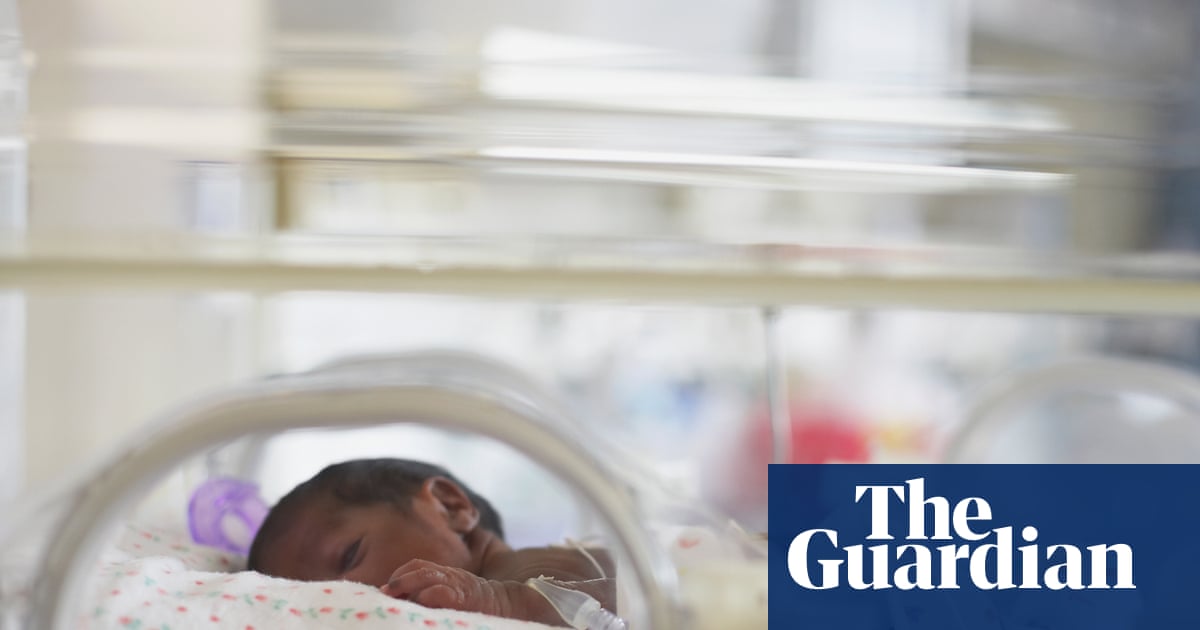
London, June 26, 2025 – Babies born to Black mothers in England and wales are 81% more likely to die in neonatal care than white babies, according to a newly released study highlighting stark racial disparities within the National Health Service (NHS). The research, examining admissions to and deaths within neonatal units, also found that babies born to Asian mothers face a 36% higher risk of death compared to their white counterparts, even after accounting for other contributing factors.
The findings come amid growing concern over inequalities in maternal and infant health. Previous reports have indicated Black babies are almost twice as likely to be stillborn as white babies, according to data from the Office for National Statistics.
The study concludes that “there are stark socioeconomic and ethnic inequalities in babies admitted to and who die in neonatal units in England and Wales.”
Rachel Drain, quality and standards adviser at the Royal College of Midwives, described the results as “deeply concerning,” calling for “urgent, coordinated action” to address the underlying causes. “That means investing in the maternity and neonatal workforce, providing equitable and culturally safe care, and ensuring services are designed with women at their heart,” Drain said. ”Every baby deserves the same chance of survival nonetheless of their ethnicity,background or circumstances.”
Drain further emphasized the systemic nature of the problem, stating the findings “point to systemic issues in how care is delivered and in the wider social conditions that shape women’s health before, during and after pregnancy. It is indeed unacceptable that mortality rates in neonatal units are rising and inequalities are widening.”
A national investigation into NHS maternity services across England,launched to address broader concerns,is currently underway and expected to conclude at the end of 2025. This investigation will specifically examine racial disparities within maternity care.
professor david Taylor-Robinson, of the University of Liverpool’s Institute of Population Health, noted the findings contradict current government ambitions. “Our Labor government has pledged to create the healthiest generation of children in our nation’s history,” he said. “Yet our findings reveal, in stark detail that, even in 2025, to many children face notable challenges from birth – and for some, even before they are born.”
taylor-Robinson urged action to address the wider determinants of health and acknowledged the role of societal biases. “I hope this evidence drives real action to address the wider factors that shape health outcomes,” he stated. “Our research also highlights how existing biases and injustices in society are reflected in clinical settings, disproportionately affecting women and babies. These are inequalities we cannot afford to ignore.”
