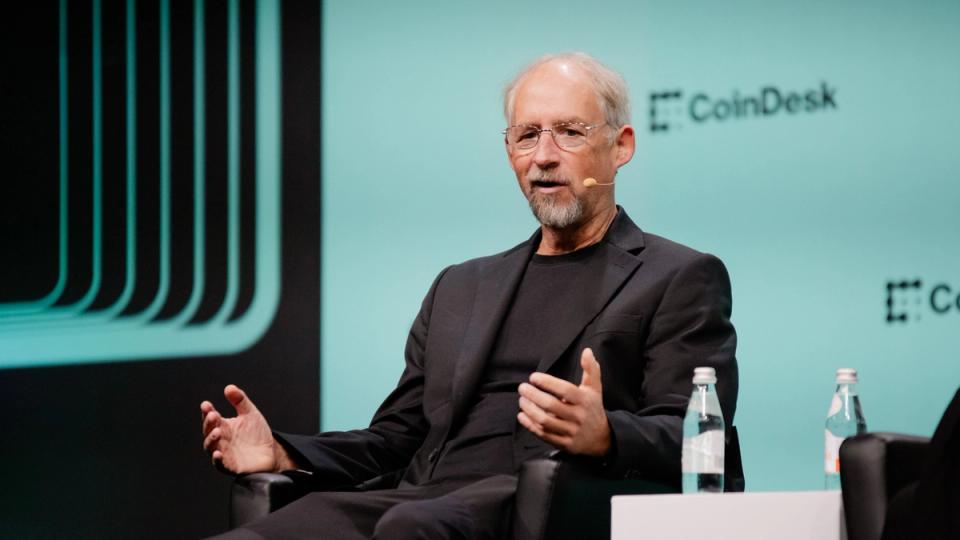
Bitcoin Layer 2: Enabling DeFi and Tokenization While Preserving Core Philosophy
Adam Back asserts that Bitcoin’s Layer 2 (L2) ecosystem is positioning the network to dominate decentralized finance (DeFi) and asset tokenization. By offloading complexity to secondary layers, Bitcoin maintains its primary security philosophy while enabling institutional-grade financial utility and scalability for global markets.
This technical pivot creates a massive operational gap for traditional financial institutions. Legacy banking cores are fundamentally incapable of interfacing with decentralized L2 protocols without significant middleware and rigorous risk frameworks. The result is a surge in demand for enterprise fintech consultants who can bridge the divide between centralized ledger accounting and distributed settlement layers.
The tension in the Bitcoin ecosystem has always been a binary choice: maintain the absolute security of the base layer or embrace the utility of smart contracts. For years, the “purist” camp argued that introducing complex programmability would introduce systemic vulnerabilities. Adam Back’s current stance suggests this is a false dichotomy. By utilizing L2s, the network can support tokenization and DeFi without altering the core L1 code, effectively treating the Bitcoin blockchain as a global, immutable settlement layer while the “work” happens elsewhere.
This is a strategic masterstroke for institutional adoption. Large-scale asset managers do not want to gamble their AUM on experimental L1 modifications. They require the “digital gold” stability of Bitcoin’s base layer combined with the agility of programmable finance.
“The tokenization of securities will revolutionize the way we move value, reducing settlement times from days to seconds and eliminating the need for cumbersome intermediaries.” — Larry Fink, CEO of BlackRock, during various public discussions on the future of financial markets.
The Fiscal Mechanics of the Layer 2 Shift
From a balance sheet perspective, the move toward L2s is about capital efficiency. Currently, vast amounts of Bitcoin sit idle as a store of value. This is a dead asset in terms of yield generation. The introduction of DeFi capabilities via L2s allows these assets to be used as collateral for loans, liquidity provision, and yield farming without the assets ever leaving the security of the underlying network philosophy.
This transition introduces a new set of risks, primarily surrounding smart contract vulnerability and bridge security. When assets move between layers, the “trustless” nature of Bitcoin is momentarily suspended in favor of the L2’s specific security model. This fragility is precisely why institutional players are now prioritizing blockchain security auditors to vet the cryptographic proofs ensuring that L2 transactions are validly anchored to the L1.
The market is moving beyond the speculative phase. We are seeing a shift toward “Real World Assets” (RWA) being mirrored on-chain. So everything from T-bills to commercial real estate is being tokenized to increase liquidity and fractional ownership.
This trend changes the industry in three fundamental ways:
- Liquidity Fragmentation Resolution: By creating standardized L2 protocols, the market can move away from isolated “silos” of liquidity. This allows for more efficient price discovery and lower slippage for institutional-sized trades.
- Compliance-by-Design: L2s allow for the implementation of “permissioned” layers. While the L1 remains permissionless and anonymous, an L2 can integrate KYC/AML checks at the entry point, making the system palatable for regulated entities.
- Reduction in Settlement Latency: Moving the execution of trades off-chain reduces the reliance on L1 block times, allowing for high-frequency financial operations that were previously impossible on Bitcoin.
Navigating the Regulatory Gray Zone
The technical capability to tokenize assets on Bitcoin L2s is only half the battle. The other half is legal. The transition of a physical asset into a digital token on a decentralized layer triggers a complex web of securities laws. In the European Union, the Markets in Crypto-Assets (MiCA) regulation provides a framework, but the application of these rules to L2-based DeFi remains a point of contention among regulators.

Firms are finding that their existing legal counsel is ill-equipped for this shift. There is a critical need for specialized corporate law firms that understand both the nuances of the SEC’s “Howey Test” and the technical reality of state channels and rollups.
The fiscal risk of misclassification is immense. A wrongly categorized tokenized asset can lead to catastrophic regulatory fines or the forced unwinding of positions, creating sudden liquidity shocks in the secondary market.
Execution is now the primary differentiator. The winners in this space will not be the ones with the most “innovative” code, but those who can integrate that code into a compliant, institutional-grade workflow.
We are witnessing the birth of a new financial architecture. Bitcoin is no longer just a hedge against inflation; it is becoming the foundation for a global, programmable financial system. The “Security First” approach championed by Adam Back ensures that this system is built on bedrock rather than sand. As the infrastructure matures over the coming fiscal quarters, the gap between “crypto-native” firms and traditional finance will close, leaving only those who invested in the right B2B partnerships to lead the charge.
For executives looking to navigate this transition, the priority must be the assembly of a vetted vendor ecosystem. Whether it is securing the network or structuring the legal framework, the complexity of Bitcoin L2s demands expert intervention. The World Today News Directory remains the premier resource for identifying the B2B partners capable of turning these technical possibilities into sustainable corporate revenue.