
A highly pathogenic avian influenza (HPAI) H5N1 virus has been detected in Antarctica, prompting a collaborative research effort to understand its impact on the region’s vulnerable wildlife populations. Although the virus continues to spread, scientists report that, to date, there has been no widespread mortality event, though monitoring remains intensive in areas where deaths have been observed.
The Chilean Antarctic Institute (INACH) has maintained a systematic monitoring program for the past three years, working with a team led by Dr. Víctor Neira Ramírez of the University of Chile’s Department of Preventive Animal Medicine. This program analyzes environmental and biological samples from wildlife – including both healthy and deceased animals – to detect the virus early. The program was expanded during the recent LXII Scientific Antarctic Expedition (ECA 62) aboard the ship Betanzos, in coordination with the Faculty of Veterinary Sciences and Animal Husbandry (FAVET) of the University of Chile, to include remote sectors of the western Antarctic Peninsula.
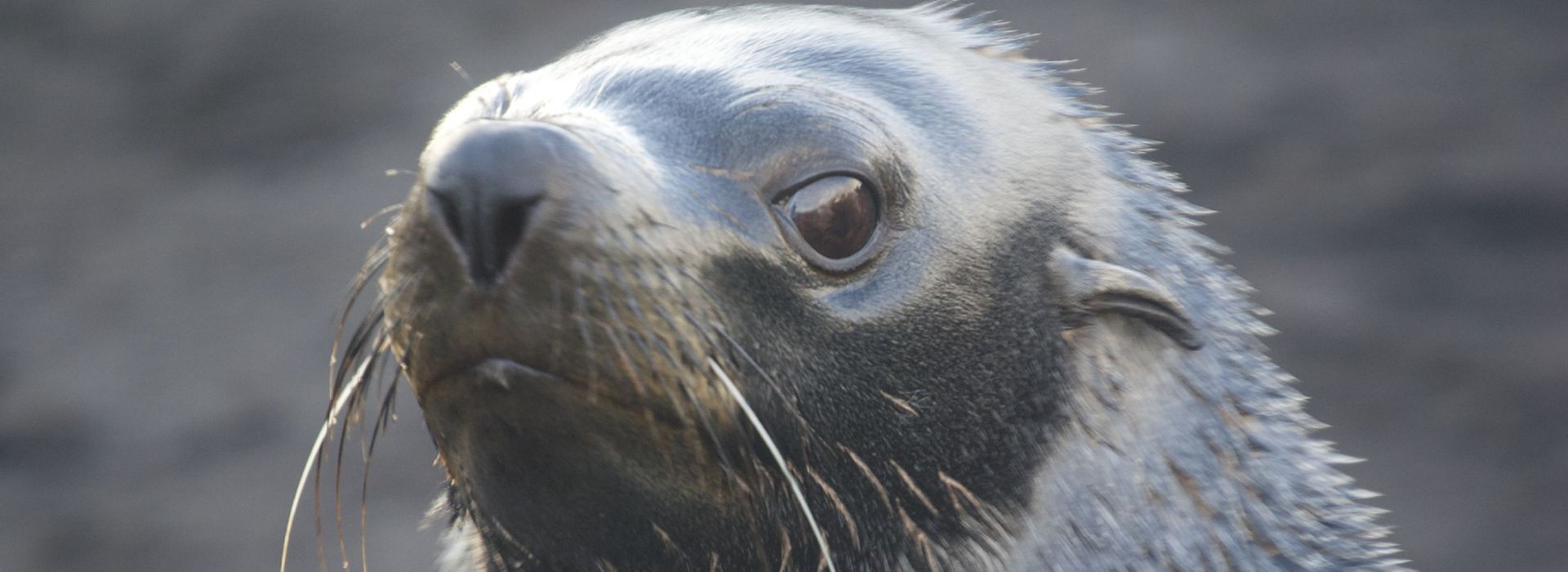
Dr. Neira explained that while the virus is expanding its reach in the region, the impact on animal populations has so far been limited. Confirmed cases have been found in deceased Antarctic cormorants, Adélie penguins, Dominican gulls, and Antarctic fur seals. Additional samples are currently under analysis to determine the full extent of species affected. “In most of the sites evaluated, no widespread mass mortality has been observed, and the state of several colonies does not appear to be altered,” Dr. Neira stated. “However, there are sites where mortality is higher and where surveillance must be maintained intensively.”
Positive H5N1 findings are referred to the Agricultural and Livestock Service (SAG) for final confirmation, as part of a standard protocol, according to Dr. Marcelo González, a researcher with INACH’s Scientific Department and director of the Antarctic Node Project. The diagnostic process involves both rapid antigen tests – similar to those used for COVID-19 – for preliminary detection, and real-time PCR testing for definitive confirmation. “After a rapid test, all suspected avian flu findings are checked by real-time PCR,” Dr. González explained.
Recent reports indicate the virus has likewise been detected in penguin populations near Antarctica, with approximately 200 chicks confirmed dead, according to Reuters. Skuas have been found dead, and the spread of H5N1 in Antarctica is now considered a significant threat to penguins, seals, and other vulnerable species, according to Noticias Ambientales.
The primary concern currently is the potential for the virus to adapt to certain species, particularly penguins, which could lead to mass mortality events. However, current data does not indicate a generalized mortality, a finding researchers describe as relevant and encouraging. Scientists emphasize the need for continued systematic surveillance, prioritizing genomic sequencing of positive samples to understand the virus’s origin and genetic evolution. This effort will contribute to epidemiological tracing and a better understanding of why the pathogen affects some species more severely than others.
Epidemiological data from an outbreak in elephant seals in Argentina suggests mammal-to-mammal transmission of the H5N1 virus, according to research published in Nature.
