Biofabri’s TB Vaccine Aims to be Universal and Easy to Preserve
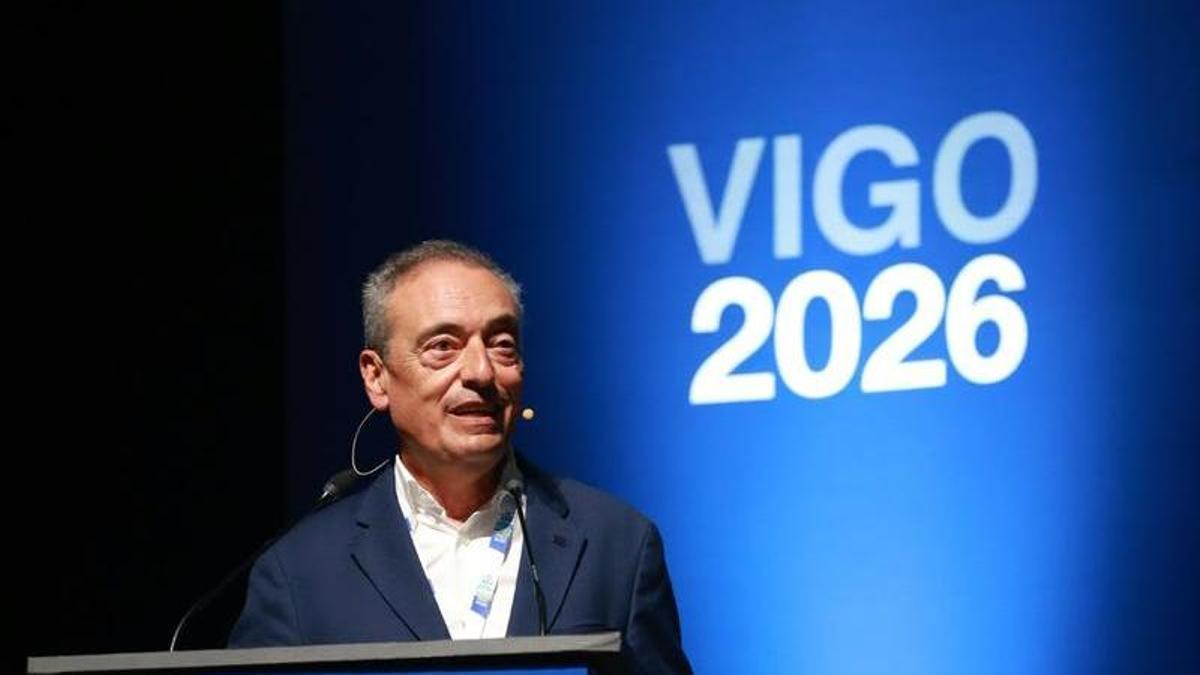
Biofabri and the University of Zaragoza are advancing clinical trials for MTBVAC, a tuberculosis vaccine candidate intended to replace the century-old BCG vaccine with a universal, single-dose option that requires standard refrigeration, as reported by Faro de Vigo during the XIII Congreso de la Asociación Española de Vacunología in Vigo.
- MTBVAC is currently being evaluated in advanced Phase III clinical trials across multiple countries involving thousands of participants.
- Unlike the BCG vaccine derived from bovine strains, MTBVAC is the only live-attenuated vaccine derived directly from Mycobacterium tuberculosis undergoing clinical development.
- Researchers target an approval timeline of 2029 or 2030, which aligns with the World Health Organization objective to eradicate tuberculosis by 2050.
Global Disease Burden and Limitations of the BCG Vaccine
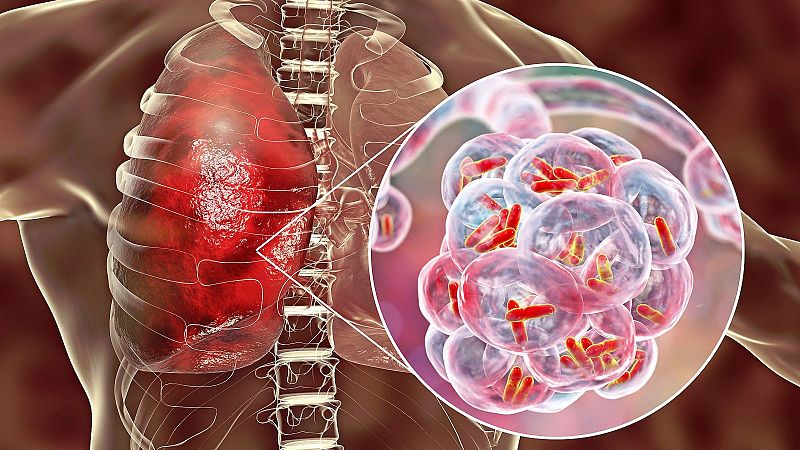
Tuberculosis remains a primary global health challenge. According to data cited by Vacunas.org, the infectious disease caused 1.23 million deaths and 10.7 million new cases in 2024. RTVE.es reported an estimate of more than one million deaths for 2025. The Bacillus Calmette-Guérin vaccine, established over one hundred years ago, continues to protect infants against severe disseminated forms and meningitis. However, it provides restricted protection against pulmonary tuberculosis in adolescents and adults.
Adult populations drive ongoing airborne transmission of the pathogen. Because the existing vaccine relies on a bovine strain rather than human-adapted strains, scientific efforts have focused on developing options targeting the specific mechanisms of human infection.

Development and Manufacturing Milestones of MTBVAC
The research origin traces back to molecular genetics studies conducted in cooperation with the Institut Pasteur to identify virulence genes of the bacillus, according to Vacunas.org. Carlos Martín, professor of microbiology at the University of Zaragoza, initiated this research line forty years ago. Early efforts to find an industrial partner across Europe faced hurdles due to the slow growth rate of mycobacterial strains, until CZ Veterinaria—the foundation of the current Grupo Zendal—agreed to participate.
Biofabri, a biopharmaceutical company within the Zendal group, has collaborated on the industrial and clinical development since 2008. Atlantico.net noted that this industrial partnership follows a historical regional precedent set by the 1803 Royal Philanthropic Vaccine Expedition carrying smallpox immunizations overseas with the nurse Isabel Zendal.
MTBVAC Enters Phase III Trials with Stable Storage
MTBVAC has completed primary vaccination stages in clinical trials and is currently in Phase III evaluation involving thousands of participants globally, as detailed by RTVE.es and Atlantico.net. The formulation is designed for broad deployment. Carlos Martín explained that the vaccine requires only a single dose and remains stable for two years at four degrees Celsius, eliminating the need for ultra-low temperature freezers.
Researchers are also evaluating the candidate in parallel studies alongside human immunodeficiency virus cohorts in regions carrying a dual disease burden, noting that patients living with HIV face heightened vulnerability to mycobacterial infections.
WHO Targets Tuberculosis Elimination by 2050
The World Health Organization has established an epidemiological target to eliminate tuberculosis by the year 2050. Achieving this threshold requires a prophylactic agent capable of delivering an efficacy rate between 70 and 80 percent across all age groups, according to statements made by Carlos Martín during the closing conference in Vigo. With seventeen different vaccine candidates currently in various stages of clinical evaluation, MTBVAC stands as the sole live-attenuated vaccine derived directly from the human bacillus undergoing clinical development. Researchers project that regulatory approval could realistically be achieved between 2029 and 2030.
Disclaimer: The information provided in this article is for educational and scientific communication purposes only and does not constitute medical advice. Always consult with a qualified healthcare provider regarding any medical condition, diagnosis, or treatment plan.