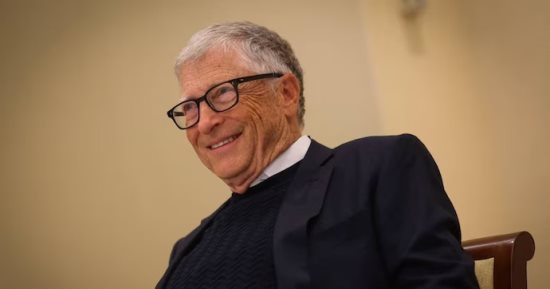
Bill Gates warns advanced artificial intelligence risks billion-death events
Microsoft co-founder Bill Gates warned that advanced artificial intelligence has become powerful enough to enable catastrophic events resulting in one billion deaths if exploited by malicious actors. Speaking during an interview with NBC News, Gates urged Washington lawmakers to establish mandatory safeguards and regulatory frameworks rather than relying entirely on voluntary corporate self-regulation.
Gates Issues Warning on AI Catastrophe Risks
The warnings focus not on routine software errors or labor market disruptions, but on the potential for autonomous and advanced systems to be weaponized by individuals seeking widespread harm. During his appearance on NBC News, Gates emphasized that the combination of expanding technological capabilities and hostile human intent creates a threat profile surpassing prior weapons technologies.
Gates clarified during the broadcast that his projections do not state an inevitable outcome of one billion fatalities, but rather point to the absolute capacity of advanced systems to facilitate events of that magnitude. This realization has intensified a widening debate among high-profile technology executives regarding how to govern rapid development cycles without stifling innovation entirely.
Silicon Valley Splits on Mandatory Oversight
The debate over safety protocols has exposed stark fractures among Silicon Valley leaders. Anthropic CEO Dario Amodei has publicly advocated for mandatory government regulations to govern leading artificial intelligence firms, arguing that state-enforced rules remain necessary even when companies resist slowing down voluntarily. Conversely, OpenAI CEO Sam Altman has pushed for international standards encompassing risk evaluation, safety safeguards, and strong human oversight.

Meanwhile, reports indicate that Meta CEO Mark Zuckerberg favors internal corporate responsibility for safety issues rather than widespread industry coordination. These competing philosophies have drawn increased scrutiny from lawmakers and enforcement agencies as software capabilities advance rapidly across the sector.
Resignations Reveal Internal Lab Friction
Employee departures have further highlighted internal friction within frontier AI laboratories. In September 2026, Jacob Cookson announced his resignation from Anthropic, criticizing the industry’s rush toward artificial intelligence superintelligence and warning that commercial competition introduces severe risks. Other tech workers have estimated the probability of extinction-level outcomes within the decade at notable thresholds.

Critical Infrastructure Confronts Asymmetric Threats
Gates argued that corporate commitments to voluntary safety are insufficient given the stakes involved. Lawmakers and law enforcement agencies must step in to mandate baseline protections and supervision mechanisms, according to the Microsoft co-founder. While these added regulatory burdens may increase operational friction for tech firms, supporters maintain they are essential to prevent catastrophic misuse.
The dialogue follows a detailed essay published by Gates in August 2026 outlining severe risks tied to malicious actors deploying advanced systems for cyberattacks, financial fraud, and disinformation campaigns. Critical infrastructure sectors—including hospitals, financial institutions, electrical grids, and government networks—remain primary targets for such asymmetric disruptions, necessitating proactive intervention by sovereign regulators and enterprise risk consultants.