
The quiet Revolution in Tech Events: From Mega-Conferences to Intimate Gatherings
For years, the tech industry measured success by scale. The mantra was simple: bigger stages, larger crowds, more logos, more panels, and ultimately, more noise. The numbers climbed relentlessly – five thousand attendees became ten thousand,and ten thousand became the aspirational goal.But somewhere along the line, this relentless pursuit of size began to feel… counterproductive. It wasn’t a dramatic revolt, no public announcements of boycotts.Rather, a subtle shift occurred: founders and executives simply started showing up less. what we’re witnessing today isn’t a rejection of events altogether, but a fundamental correction in how those who actually *run* companies choose to invest their most valuable resource – their time.
The Rise and Fall of the Mega-conference
the early 2000s and 2010s saw the explosion of massive tech conferences. Events like CES,SXSW,and Web Summit grew exponentially,becoming sprawling showcases of innovation and networking opportunities. These events offered undeniable benefits: broad exposure, a platform for major announcements, and the chance to connect with a vast network of potential partners and investors. Though, the very scale that initially attracted attendees also became a source of frustration. The sheer size of these events often made meaningful connections difficult. Attendees found themselves navigating overwhelming crowds, competing for attention amidst a sea of vendors, and struggling to discern genuine insights from marketing hype.
As venture capitalist Fred Wilson pointed out in 2019,the return on investment for these large events began to diminish. The cost of attending – including travel, accommodation, and the time away from core business activities – often outweighed the benefits. furthermore, the focus shifted from genuine collaboration and knowledge sharing to self-promotion and lead generation, creating an environment that felt increasingly transactional.
The Shift Towards Intimacy and Curation
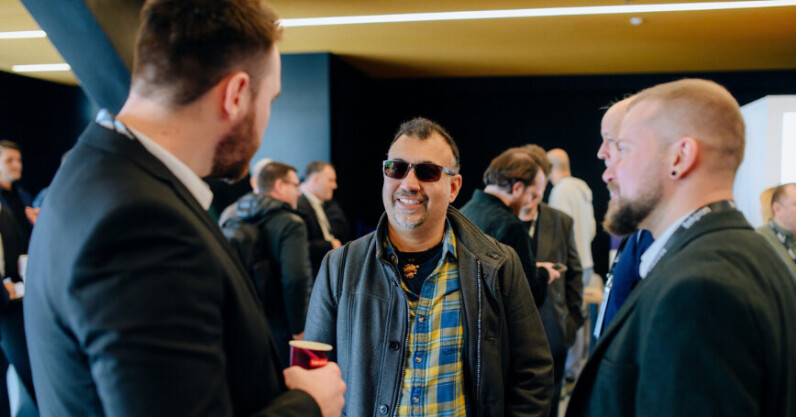
The current trend represents a purposeful move away from the “spray and pray” approach of mega-conferences. Rather, we’re seeing a surge in smaller, more curated gatherings. These events prioritize quality over quantity, focusing on fostering deep connections and facilitating meaningful conversations. this manifests in several ways:
- Smaller Attendee Lists: Events are intentionally limited in size, often capped at a few hundred or even a few dozen participants.
- Targeted Audiences: Gatherings are designed for specific niches or communities, attracting individuals with shared interests and expertise.
- Exclusive Formats: Workshops, roundtables, and invite-only dinners are replacing large-scale keynotes and panel discussions.
- Emphasis on Experiences: Events are increasingly focused on providing unique and memorable experiences, rather than simply delivering data.
Companies like Summit Series and Saltwater Labs have pioneered this model, creating exclusive communities where leaders can connect, collaborate, and learn in a more intimate setting. These events often feature a carefully vetted guest list, ensuring a high concentration of influential individuals and fostering a sense of trust and camaraderie. The focus is on building relationships, not collecting business cards.
Why This Shift is Happening
Several factors are driving this change.Firstly, the rise of remote work and digital communication has reduced the need for large-scale in-person events. Teams can collaborate effectively from anywhere in the world, and online platforms provide ample opportunities for networking and knowledge sharing. Secondly,the increasing complexity of the tech landscape demands more specialized knowledge and expertise. Generalist conferences struggle to address the nuanced challenges faced by specific industries or roles. there’s a growing recognition that time is the most valuable commodity for busy executives.They’re less willing to spend days navigating crowded halls and attending irrelevant sessions.
According to a 2023 report by Bizzabo, 74% of event marketers say that providing personalized experiences is a key priority. This highlights the growing demand for events that cater to individual needs and interests.
the Future of Tech Events
The future of tech events is highly likely to be a hybrid model,combining the best aspects of both large-scale conferences and intimate gatherings. Mega-conferences may continue to exist,but they will need to evolve to offer more value and personalization. We can expect to see:
- More curated content: Focusing on specific themes and attracting high-quality speakers.
- Enhanced networking opportunities: Utilizing technology to facilitate meaningful connections between attendees.
- Experiential activations: Creating immersive and engaging experiences that go beyond traditional presentations.
- Integration with online platforms: Extending the event experience beyond the physical venue through virtual components.
Ultimately, the success of any tech event will depend on its ability to deliver tangible value to attendees. In a world where time is scarce and attention is fragmented, events must be more than just a spectacle – they must be a catalyst for meaningful connection, collaboration, and innovation. The shift towards smaller, curated gatherings is a clear indication that the tech industry is prioritizing quality over quantity, and that’s a trend that’s likely to continue for years to come.
key Takeaways
- The tech industry is moving away from large-scale conferences towards smaller, more curated events.
- This shift is driven by factors such as the rise of remote work, the increasing complexity of the tech landscape, and the value of executive time.
- Future events will likely be hybrid, combining the best aspects of both large and small gatherings.
- The focus is now on fostering meaningful connections, facilitating collaboration, and delivering tangible value to attendees.
