BGN’s 21,000 Electric Motorcycle Procurement: Reasons, Facts, and Controversy
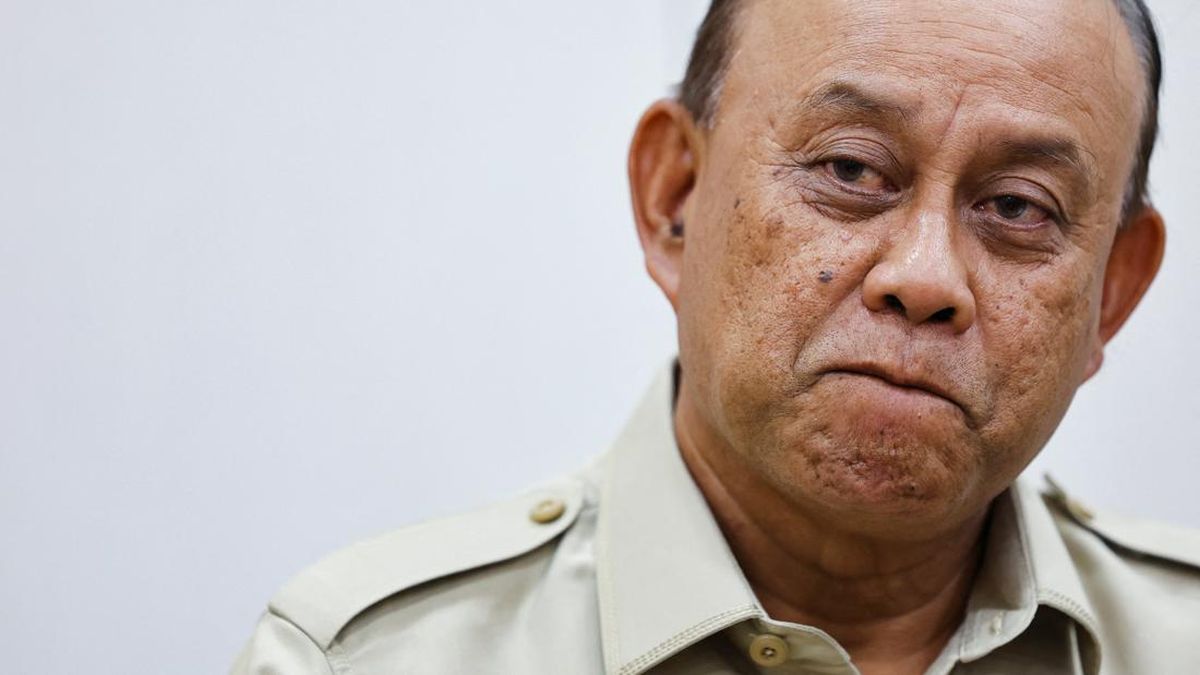
Dadan Hindayana, head of Indonesia’s National Nutrition Agency (BGN), has clarified the procurement of over 21,000 electric motorcycles for Nutrition Fulfillment Service Unit (SPPG) heads. These vehicles are designed to secure the delivery of the Free Nutritious Meal (MBG) program in remote regions where difficult terrain and limited transportation access hinder food security.
The intersection of public health and green logistics is rarely this visible. By deploying a fleet of electric vehicles (EVs) to the furthest reaches of the archipelago, the BGN is attempting to solve a classic “last-mile” delivery problem. However, the initiative has not been without friction. Viral social media videos depicting BGN-branded motorcycles sparked a wave of public scrutiny, leading to accusations of “flexing” facilities while other public sector salaries, such as those of teachers, remain stagnant.
The reality, as presented by the agency, is less about prestige and more about the brutal geography of rural Indonesia. In many villages, the only viable artery for transport is a narrow, unpaved path that would swallow a standard car or a traditional scooter. For the MBG program to succeed, the officials overseeing nutrition fulfillment must be able to reach these locations regardless of weather or road quality.
The Logistics of Nutrition: Breaking Down the Fleet
The procurement is not a one-size-fits-all approach. BGN has strategically split the fleet into two distinct categories to mirror the diverse landscapes of the Indonesian jurisdiction. This segmentation ensures that urban efficiency does not come at the cost of rural accessibility.
- The Trail Model (Suspected Emmo JVX GT): Engineered for the “hard” zones. These bikes are designed for corrugated roads, muddy paths, and uneven terrain. They offer a maximum speed of 80 km/h and a range of approximately 70 km per charge, making them the primary tool for reaching isolated villages.
- The Scooter Model (Emmo JVH Max): Reserved for urban operational needs. These units are slightly faster, capable of reaching 90 km/h, while maintaining the same 70 km range. They are intended for the paved arteries of city centers where agility and speed are prioritized over suspension and torque.
The scale of this operation is significant. While some viral rumors suggested the agency had ordered 70,000 units, Dadan Hindayana clarified that the actual number is far lower. The procurement, planned for 2025, saw a realization of 21,801 units out of an initial order of 25,000. Another source specifies the total at 21,085 units. This precision in numbers is critical for government transparency, especially when dealing with state-funded assets.
Managing such a massive influx of specialized hardware requires more than just a purchase order. It requires a robust framework for maintenance and deployment. For agencies scaling their operations this rapidly, engaging with experienced logistics consultants is often the only way to prevent a fleet of thousands from becoming a graveyard of unused machinery.
The Administrative Bottleneck: The BMN Hurdle
Despite the motorcycles having already arrived in Indonesia, they remain stationary. The gap between arrival and distribution is a matter of law and bureaucracy: the Barang Milik Negara (BMN), or State-Owned Asset, administration process.

In the Indonesian government system, a vehicle cannot simply be handed over to an employee. It must be registered, categorized, and audited as a state asset. This ensures that every single unit is accounted for and that the procurement process adheres to strict government auditing standards. Dadan Hindayana emphasized that this administrative phase is a mandatory prerequisite before any SPPG head can officially capture the handlebars.
This bureaucratic lag is a common pain point in large-scale public works. When the speed of procurement outpaces the speed of administration, the result is “dead capital”—assets that exist but cannot be utilized. To navigate these regulatory minefields, many government bodies rely on government auditors and compliance specialists to ensure that the transition from “purchased” to “operational” is seamless and legal.
Strategic Implications for Remote Infrastructure
The decision to go electric is a bold move for rural deployment. While EVs reduce operational costs and carbon emissions, they introduce a new challenge: charging infrastructure. In the incredibly villages where the trail bikes are most needed, electricity can be intermittent or nonexistent.
The success of the MBG program now depends on whether the BGN can support these vehicles with reliable power sources. If the charging infrastructure is not integrated into the regional plan, the 70 km range of the Emmo bikes may prove insufficient for the most remote SPPG heads. This creates an urgent need for coordinated EV infrastructure services to be deployed alongside the vehicles themselves.
The program is designed to reach areas that will be very difficult to access, reaching villages and regions that can only be reached by motorcycle.
By focusing on the “motorcycle-only” zones, the BGN is acknowledging that the state’s presence in nutrition and health is often limited by the physical ability to reach the citizen. The electric trail bike is not a luxury. We see a tool for penetration into the most underserved sectors of the population.
Looking forward, the BGN has stated there are no plans to add more units this year. The focus has shifted from acquisition to distribution. The period starting from December 2025 marked the beginning of a tiered realization process that will eventually see these bikes distributed to every SPPG head in need.
The true measure of this investment will not be found in the number of bikes delivered, but in the number of nutritious meals that actually reach a child’s plate in a remote village. The transition to an electric fleet is a promising step toward a sustainable government, but it remains a gamble on the readiness of Indonesia’s rural electrical grid. As the BGN navigates the final stages of BMN administration, the world will be watching to see if this high-tech solution can solve a fundamental human problem. For those tasked with implementing such complex state projects, finding verified project management firms is the only way to ensure that vision translates into reality.