
Belgium Faces Nationwide Disruption as Unions Strike
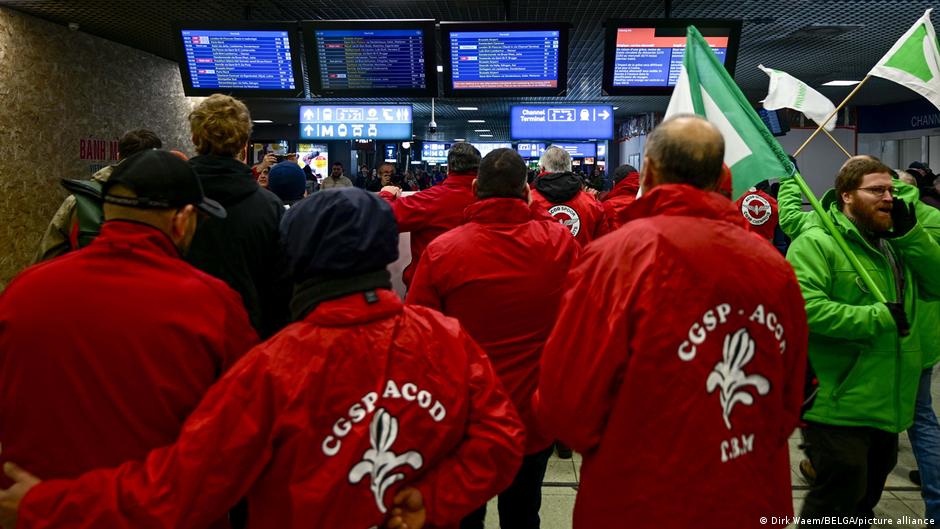
Brussels, belgium – november 24, 2025 – A three-day nationwide strike began in Belgium on Monday, November 24th, as unions protest the government’s recently agreed-upon social and budget reforms. The walkouts are causing significant disruption to transport, schools, hospitals, and public services, with ripple effects extending into neighboring Germany.
Belgian rail operator SNCB reduced its timetable on Sunday evening, operating at roughly half capacity on Monday and even less on some routes – as low as one-third of normal service. Several ICE trains between Brussels and Cologne have been canceled, and commuter traffic is expected to remain heavily impacted through Wednesday.
The disruption is escalating throughout the week. Hospital staff, kindergarten workers, and teachers joined the rail workers on Tuesday. Public-sector employees in postal services, waste collection, and local transport are also participating in the strikes.
Wednesday is anticipated to be the most impactful day, with private-sector unions joining a nationwide general strike. Both Brussels-Zaventem and Charleroi airports have announced the cancellation of all departing flights, and arriving flights are likely to be affected due to strikes among security and ground personnel.
Unions accuse Prime Minister Bart de Wever’s center-right coalition government of pursuing “social dismantling.” The government reached a multiyear budget agreement including €9.2 billion (approximately $10.6 billion) in savings by 2029.
The government defends the austerity measures as necessary to reduce spending by around €10 billion by 2030 to comply with EU debt and deficit rules. Belgium currently holds one of the highest debt levels within the European Union, and is also facing increased financial pressure due to NATO commitments requiring significant increases in defense spending.
public opposition to the reforms has been growing. Approximately 100,000 people demonstrated in Brussels against the planned cuts in October. Unions hope this week’s strikes will compel the government to reconsider the reforms,though government officials have so far indicated no intention of altering course.
