
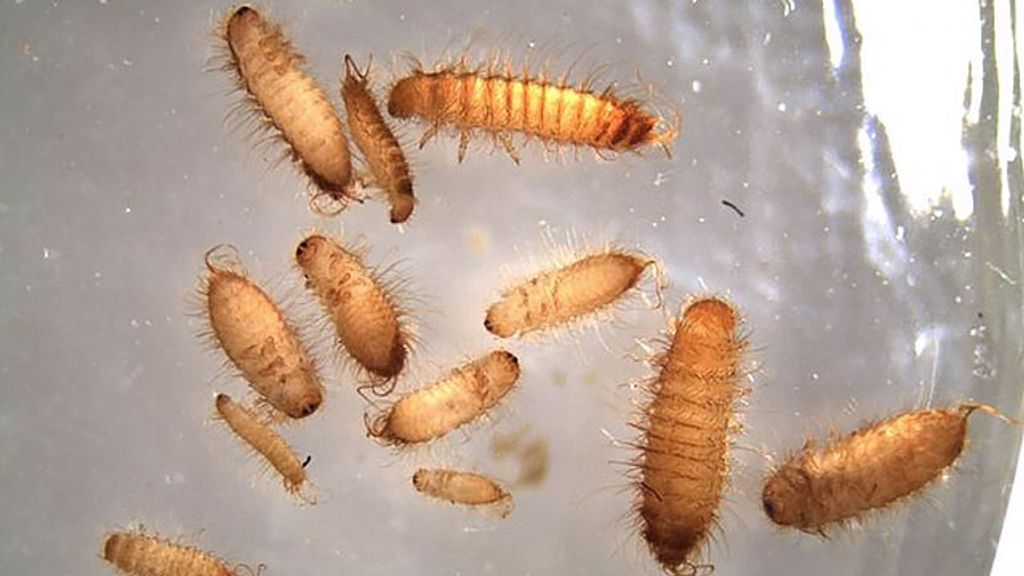
Beetle Scare Grips Australia as Infestation Found in Baby Diapers
SYDNEY, AUSTRALIA – A nationwide search is underway in Australia after the khapra beetle, a globally destructive grain pest, was discovered in boxes of baby diapers sold at supermarkets across the country. Authorities are scrambling to contain the potential outbreak,recalling approximately 2,000 boxes and implementing strict quarantine measures. The revelation has prompted comparisons to the 2001 foot-and-mouth disease crisis in Europe, due to the beetle’s potential to devastate agricultural crops.
The infestation was found in diapers manufactured at a factory near Sydney, which has since been shut down. While the khapra beetle poses no direct threat to human health, its larvae feed on stored grains, rendering them unusable due to damage and contamination with droppings and dead insects. Australia maintains stringent biosecurity protocols to protect its biodiversity from invasive species, including strict controls on imported goods and inspection of passenger luggage for prohibited food items.
Parents have been instructed not to discard the diapers but to seal the boxes for collection by government officials for quarantine. As of today, 1500 of the 2000 affected boxes have been located. Authorities have confirmed that the remaining 500 boxes were not distributed to agricultural areas,lessening the immediate risk of widespread crop contamination.
The khapra beetle was previously detected in australia in 2020, but eradication efforts were accomplished. This latest incident underscores the ongoing challenge of preventing the introduction and establishment of invasive pests. According to the Netherlands’ Knowledge and Advisory Center for Animal Plagues, the beetle is “not frequently enough found” in the Netherlands.
Australia’s biosecurity measures aim to safeguard its agricultural industry and unique ecosystem from the devastating consequences of invasive species. Importing or bringing in certain foods and animal species is “strictly forbidden,” according to the Australian Department of Agriculture, Fisheries and Foresty.
