
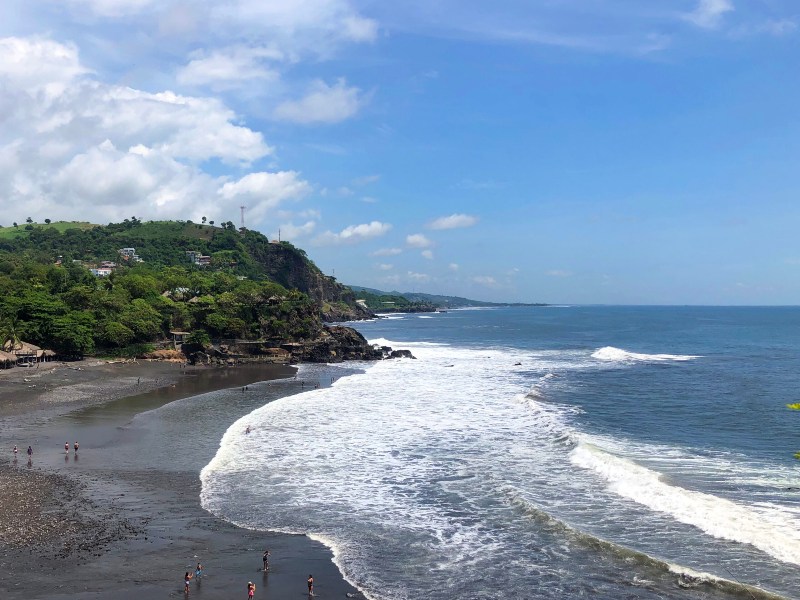
El Salvador’s Shores Reveal Ancient Volcanic Past, Attracting Geology Enthusiasts & Beachgoers
LA LIBERTAD, EL SALVADOR – beyond the famed surf breaks of El Salvador’s “Surf city” route, a hidden geological narrative is drawing attention to the nation’s volcanic origins. Beaches along the coast, particularly near La Libertad, showcase rock formations dating back millions of years, offering a unique blend of natural beauty and scientific finding.
These coastal sites, while not formally designated geological routes, are accessible to the public and provide tangible evidence of El salvador’s fiery past.One notable location is Costa del Sol, where visitors can observe volcanic rocks formed during eruptions of the ancient Cerro verde volcano, approximately 1.1 million years ago. These rocks, composed of basalt and andesite, were carried by ancient rivers and now emerge with the tide.
Further along the route, near the Surf City Bypass and the Chilama River bridge, lies another geologically notable area. Here, deposits originating from an eruption of the ancient Jayaque volcano – now part of the Balsamo Mountain Range – have been identified. This volcanic event occurred roughly 3 million years ago, with rock fragments traveling up to 40 kilometers from the source and becoming visible in sections of land surrounding the river.
“the volcanic rocks on the coast are living evidence of the force that shaped the Salvadoran territory,” notes the recent coverage of these sites. While these destinations don’t require significant investment for visitation, authorities emphasize the importance of environmental awareness and responsible observation.Altering or removing materials from these natural areas is strongly discouraged.
The growing interest in these geological features represents a new facet of tourism in el Salvador, inviting visitors to explore the country’s history through the lens of its landscape. Each rock,it’s said,tells a story of fire and sea,revealing the nation’s volcanic past in intricate detail.
