BBB Study: Personal Loan Scam Reports Surge Over 500% in Three Years
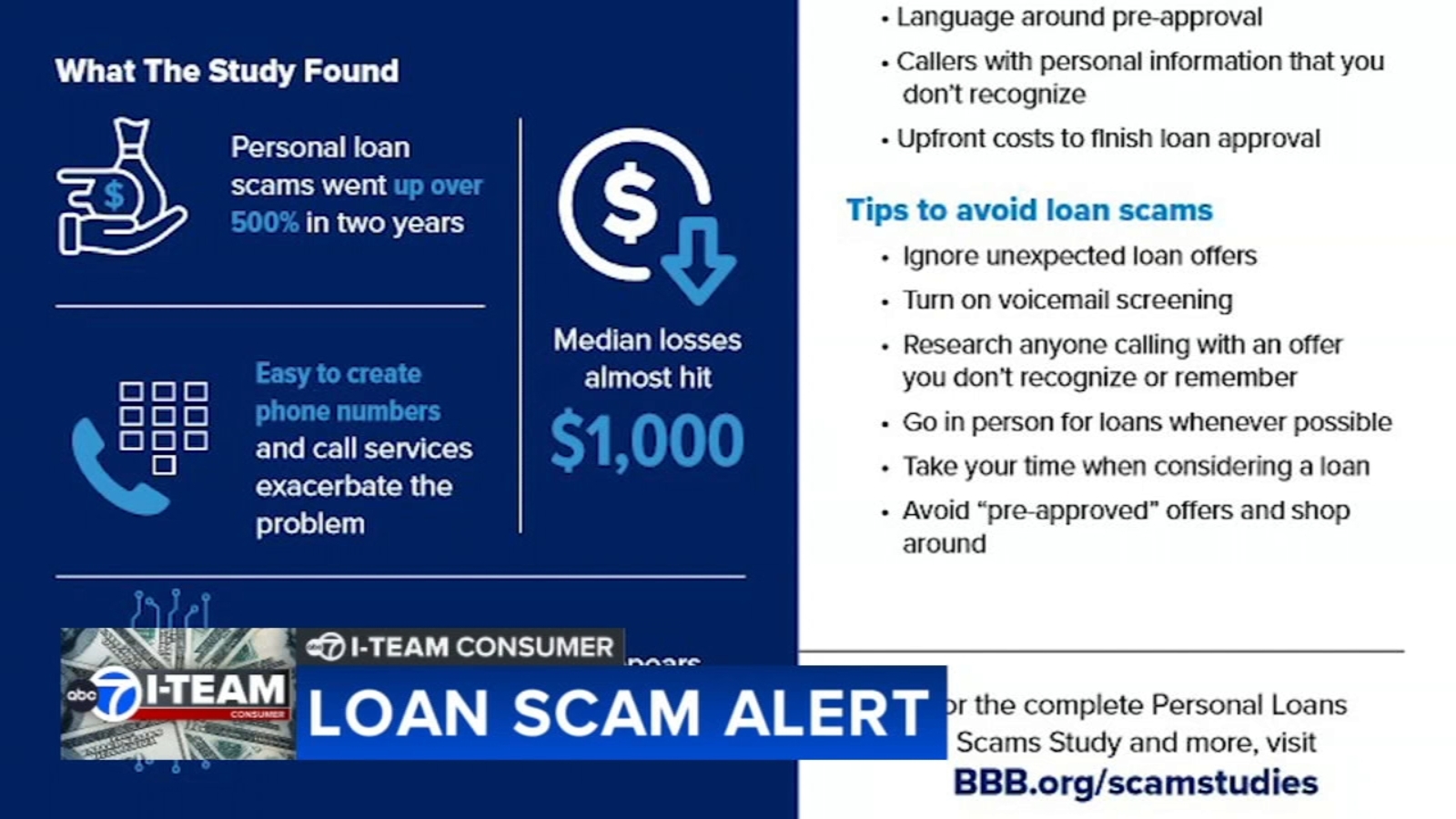
Reports concerning personal loan scams have surged more than 500% in the past three years, according to a new Better Business Bureau study.
This sharp escalation involves over 16,000 documented cases, primarily targeting consumers with fraudulent advance fee schemes and identity theft attempts.
The sheer volume of fraud poses a major threat to consumer financial stability.
Richard Bruen, a Chicago attorney, has reported being inundated with what he believes are fraudulent loan offers. He began documenting these incidents in October 2025. Bruen stated, “Starting around October of 2025, I began documenting numerous robo calls.” These calls are offering personal loans, debt consolidation, debt relief programs, or tax relief.
Steve Bernas, president and CEO of the Better Business Bureau serving the Chicago area, confirmed that the primary goal of these solicitations is data acquisition. Bernas explained, “Basically, they’re trying to garner information from you to steal your identity.” The requests involve personal data, such as a Social Security number or a mother’s maiden name, often presented within the context of filling out a loan document.
The financial toll has been quantified by the BBB. The study revealed that more than 8,600 loan scam complaints were filed this year. Victims are losing about $900 each.
The Better Business Bureau offers clear guidance to shield consumers from these schemes. They advise individuals to never respond to unsolicited loan offers and never to pay an upfront fee to obtain a loan.
The 500% growth trajectory indicates a scale-up in activity.
As the threat evolves, the need for strong data governance grows.
The Better Business Bureau, which has tracked marketplace fraud since its founding in 1912, traces its roots to public outcry over misleading advertising following the U.S. government’s 1906 lawsuit United States v. Forty Barrels and Twenty Kegs of Coca-Cola. Local “vigilance committees” formed to monitor unethical business behavior, with the first local bureau established in Minneapolis, Minnesota, in 1914.
The organization, a private nonprofit with no governmental affiliation, today consists of 92 independently incorporated local BBB organizations across the United States and Canada. It grades businesses on an A+ through F letter-grade scale reflecting its confidence that a business operates in good faith and resolves customer concerns.
The verifiable data indicates a 500% increase in reports over three years. The final word from the Better Business Bureau is a warning to consumers: “The BBB advises consumers never to respond to unsolicited loan offers and never to pay an upfront fee to obtain a loan.”