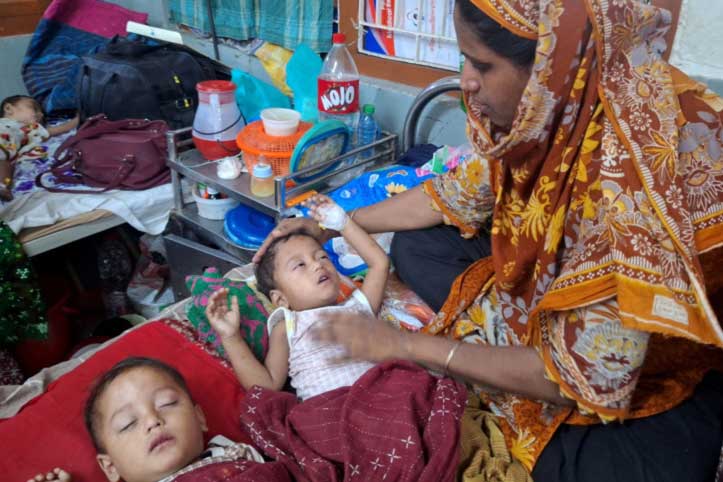
Bangladesh Measles Outbreak: Child Deaths and Vaccination Drive
The resurgence of measles in Bangladesh has evolved from a manageable public health concern into a pediatric crisis, with death tolls climbing rapidly across several regions. This outbreak underscores a critical failure in immunization coverage and the devastating speed at which highly contagious viral pathogens can exploit gaps in healthcare infrastructure.
Key Clinical Takeaways:
- Mortality rates have spiked, with reports indicating between 15 and over 110 children have died due to the outbreak.
- Systemic concerns have been raised regarding whether early warning signs of the outbreak were ignored by health authorities.
- A targeted emergency vaccination drive is scheduled to commence on April 12 across four major cities to curb viral transmission.
The current epidemiological landscape in Bangladesh reveals a harrowing trajectory of morbidity. Reports from various outlets highlight the severity of the situation: NBC News notes at least 15 deaths, while Al Jazeera reports nearly 100 children have perished. The most sobering figure comes from Daily Sabah, which indicates that over 110 children have been killed. These numbers represent more than just statistics. they signal a breakdown in the primary barrier against measles—the vaccination protocol.
Measles is caused by a highly infectious virus in the Morbillivirus genus. Its pathogenesis begins with the infection of the respiratory epithelium, followed by a systemic spread through the lymphatic system. For children with compromised nutritional status or incomplete immunization, the virus often leads to severe complications, including pneumonia and encephalitis, which are the primary drivers of mortality in these outbreaks. The standard of care requires a robust two-dose regimen of the measles-mumps-rubella (MMR) vaccine to achieve the herd immunity threshold necessary to prevent community spread.
The clinical tragedy is compounded by questions of institutional negligence. As highlighted by The Daily Star, there is an urgent inquiry into whether Bangladesh ignored critical warning signs before the outbreak reached this lethal scale. In public health, the window between the first cluster of suspected cases and a full-scale epidemic is narrow. Failure to implement rapid containment strategies—such as ring vaccination or intensified surveillance—often allows the virus to penetrate vulnerable urban pockets where population density accelerates transmission.
The rapid escalation of this outbreak suggests a significant gap in the surveillance-to-action pipeline, turning a preventable medical event into a widespread pediatric tragedy.
Managing the aftermath of such an outbreak requires more than just immediate crisis response; it demands a comprehensive audit of vaccine cold-chain integrity and patient outreach. For healthcare administrators and regional clinics struggling to stabilize patient loads during such surges, it is essential to coordinate with board-certified infectious disease specialists to refine triage protocols and ensure that supportive care for measles complications is standardized across all facilities.
In response to the rising death toll, health authorities have announced a special vaccination drive beginning April 12, targeting four key cities. This reactive measure aims to close the immunity gap in high-risk urban centers. However, the efficacy of these drives depends heavily on the speed of deployment and the ability to reach marginalized populations who may have missed their primary doses. The transition from a reactive “firefighting” approach to a proactive immunization strategy is the only way to prevent seasonal recurrences.
The logistical challenges of implementing city-wide vaccination drives often intersect with regulatory and administrative hurdles. To avoid the systemic failures that lead to ignored warning signs, health departments are increasingly relying on healthcare compliance consultants to ensure that public health mandates are executed without operational bottlenecks and that reporting mechanisms are transparent and timely.
From a clinical perspective, the morbidity associated with measles is not limited to the acute phase of the infection. Survivors of severe measles often face “immune amnesia,” where the virus wipes out existing antibodies to other pathogens, leaving children susceptible to secondary bacterial infections for months or years following recovery. This long-term risk necessitates ongoing monitoring by experienced pediatricians who can manage the recovery phase and ensure that the child’s overall immune profile is restored through appropriate boosters and nutritional support.
The Bangladesh outbreak serves as a stark reminder that medical breakthroughs in vaccine development are irrelevant if the delivery systems fail. The gap between the existence of a safe, effective vaccine and the actual administration of that vaccine to a child in a high-density city is where the most significant medical risks reside. The current crisis is a failure of delivery, not a failure of science.
Looking forward, the trajectory of pediatric health in the region will depend on the success of the April 12 drive and the subsequent overhaul of the national surveillance system. The goal must be the eradication of these “immunity pockets” to ensure that no child dies from a disease that has been clinically preventable for decades. For those seeking to implement more resilient healthcare frameworks or find vetted specialists to lead immunization efforts, our directory provides a streamlined path to the world’s leading medical experts.
Disclaimer: The information provided in this article is for educational and scientific communication purposes only and does not constitute medical advice. Always consult with a qualified healthcare provider regarding any medical condition, diagnosis, or treatment plan.
Related reading
- Men’s Health: Is Nathan Fielder the Peak of Modern Masculinity?
- Patient Develops QT Prolongation and Torsades de Pointes After Pulsed Field Ablation
- Ultra-Processed Foods Link Brain Reward Responses to Child Weight Gain (time.news)
- The 71% Jump in Europe's Heat Deaths Is About 54% Like for Like (daybreakwire.com)