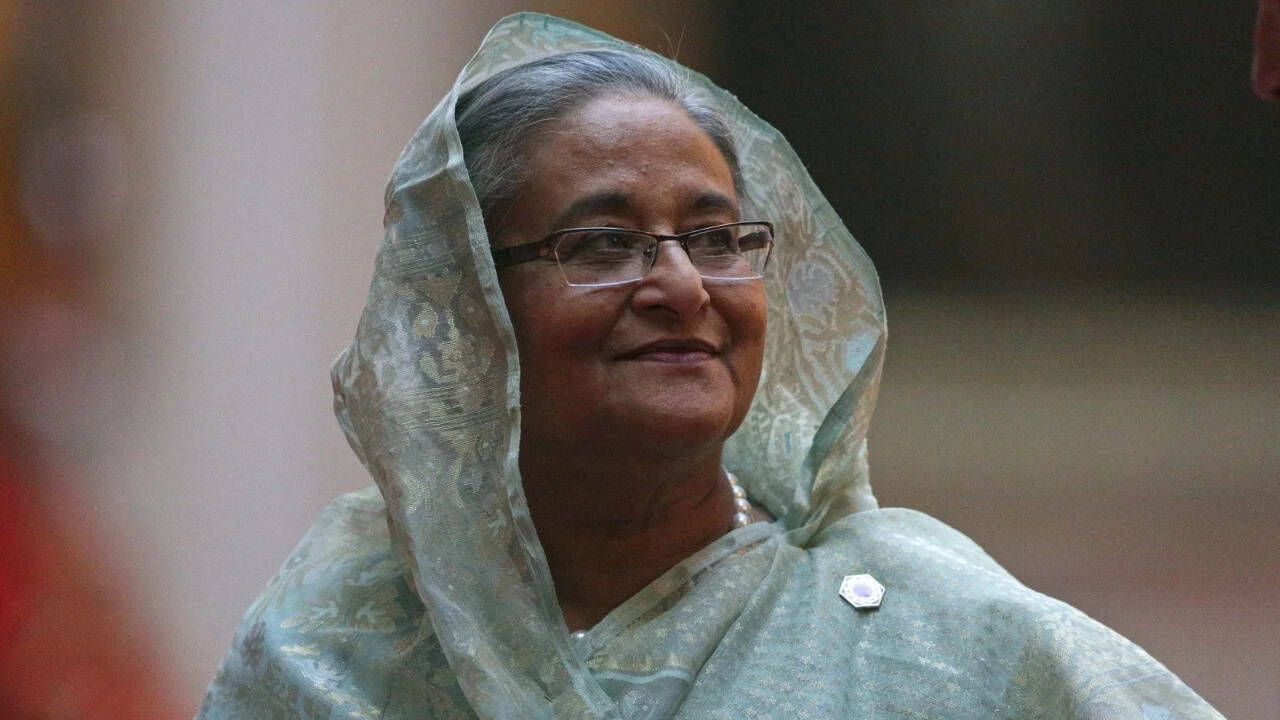
Bangladesh May Approach ICJ If India Refuses Hasina Extradition
Bangladesh may approach the International Court of Justice if India refuses to extradite deposed prime minister Sheikh Hasina, Parliament Speaker Hafiz Uddin Ahmed said.
Ahmed announced the potential legal step during a six-day visit to Pakistan, The Hindustan Times reported, citing BBC Urdu. Dhaka has been pursuing the extradition of the 79-year-old former leader through diplomatic channels since she fled to India following a student-led uprising in August 2024.
India has acknowledged receiving Bangladesh’s requests but has not announced a decision. New Delhi said that the matter is being examined through established processes.
Hasina faces severe legal penalties in her home country. A special tribunal sentenced her to death in absentia over the deadly crackdown on protesters during the 2024 uprising, charges she has denied while questioning the legitimacy of the trial.

Extradition Demands and Legal Threats
“If India does not comply, we will approach the International Court of Justice,” Ahmed said while speaking to journalists in Islamabad on Thursday, The Hindustan Times reported. He added that if Hasina returns to Dhaka, she will go straight to jail.
The speaker also dismissed reports regarding Hasina’s planned return on December 16, a date that marks Bangladesh’s victory over Pakistan in the 1971 Liberation War. Her spokesperson, Syed Mozammel Ali, previously said that the former prime minister plans to travel back on that day.
“Sheikh Hasina Wajid’s announcements of her return are just to keep her workers motivated, she will not return to Bangladesh,” Ahmed said, according to The Hindustan Times. He claimed she would not return for the next 10 years.
Back in Dhaka, state minister for foreign affairs Humaiun Kobir criticized the former leader during a press briefing on Thursday. Kobir referred to her as a terrorist and a psychopath, The Hindustan Times reported, citing Prothom Alo and other Bangladeshi media.
“India is also now realising the challenges and difficulties of providing shelter to a terrorist on its territory,” Kobir said, according to The Hindustan Times. He added that the situation has become an irritating problem for New Delhi.
Ahmed Accuses Bangladesh of Becoming Colony of Neighbor
During his visit to Pakistan, Ahmed alleged that Bangladesh had effectively become a colony of a neighboring country over the past 15 years, causing severe hardship to its people. While he did not name India directly in that remark, he later commented on the 1971 conflict.
As reported by The Hindustan Times, citing BBC Urdu, the International Court of Justice functions as the principal judicial organ of the United Nations. As the only international court that adjudicates general disputes between countries, its jurisdiction in contentious cases requires the consent of the states party to a dispute.
Ahmed, a former military captain who rebelled against Pakistan during the Liberation War, claimed that India did not help the Bengalis but was a major factor in weakening Pakistan. He also said that the Kashmir issue should be resolved in accordance with United Nations resolutions.