Bangladesh Considers Joining Saudi-Led Mecca Pact, Raising Foreign Policy Test
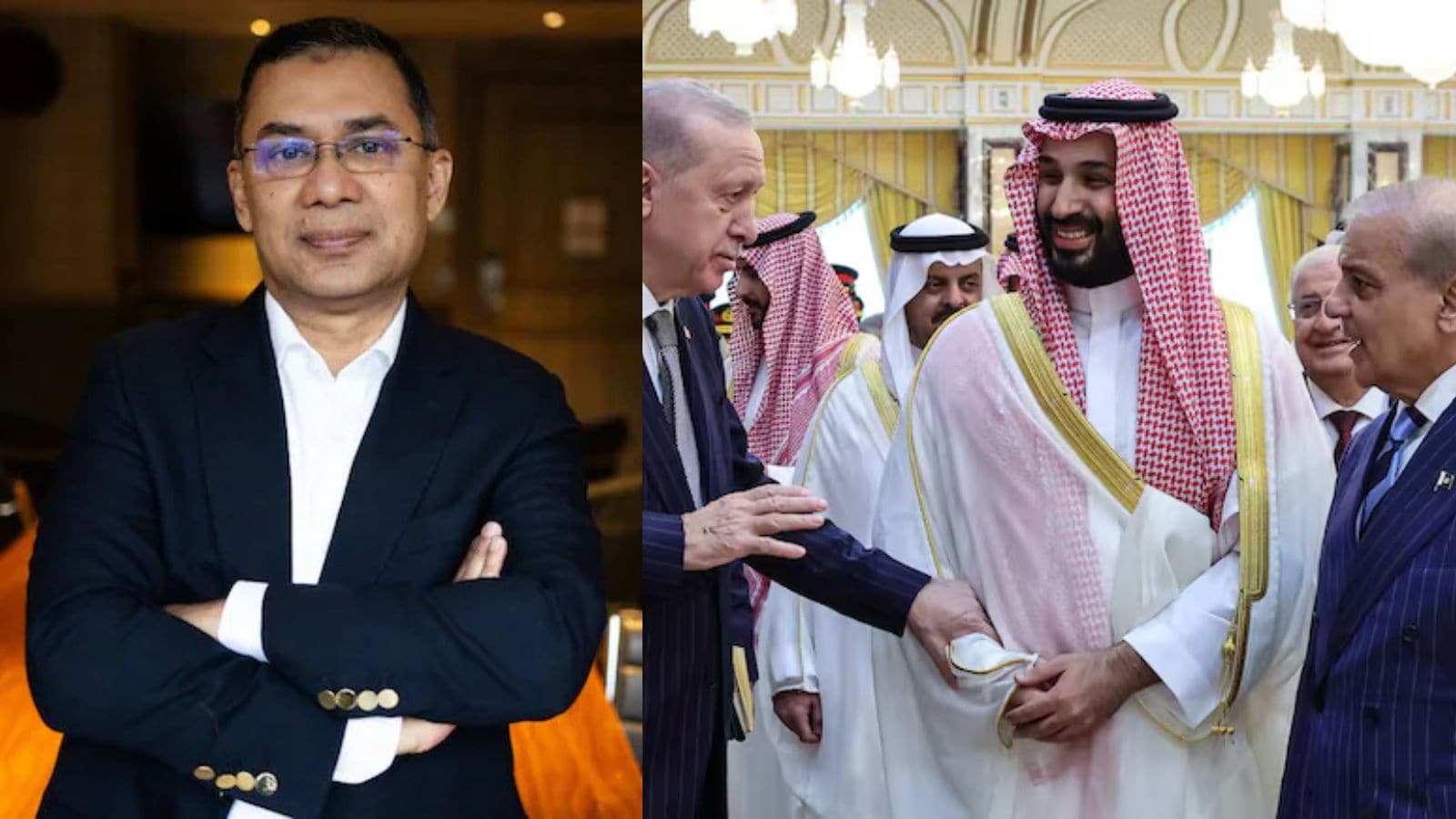
Bangladesh is weighing a potential invitation to join the Mecca pact, a mutual defense agreement signed by Saudi Arabia, Turkey, and Pakistan, according to junior foreign minister Humayun Kabir speaking on Monday. The prospective alliance membership tests Dhaka’s long-standing foreign policy of balanced diplomacy, introducing complex diplomatic friction with neighboring India and other global powers.
The mutual defense agreement, modeled after NATO’s collective-defense principle, was signed in the Saudi holy city of Mecca this month amid escalating regional conflict across the Middle East. Under the terms of the pact, an armed attack on one member state is treated as an attack on all. While Bangladesh is a secular republic with a population that is over 90% Sunni Muslim, officials in Dhaka are evaluating the security arrangement positively.
“If there is a security arrangement among Islamic nations in the Middle East, it is not unusual for us to consider participating. It is being viewed positively,” junior foreign minister Humayun Kabir told reporters, adding that leadership, particularly Prime Minister Tarique Rahman, had been invited to participate.
Diplomatic Tests and Strained Bilateral Ties With New Delhi
Joining a formal military bloc complicates Bangladesh’s foreign relations at a delicate juncture. Bilateral ties with India have remained strained since the ouster of former Prime Minister Sheikh Hasina in August 2024, who has since lived in exile in India. Dhaka has accused Indian border forces of forcibly pushing individuals across the border while pressing for Hasina’s extradition.
https://x.com/BDMOFA/status/2092966235801825516
Geopolitical analysts note that New Delhi is unlikely to view a Bangladeshi security alliance with arch-rival Pakistan favorably. While Prime Minister Rahman’s six-month-old government has pursued cordial relations, his official visit to India remains unconfirmed as Dhaka awaits a response regarding the extradition request. India’s foreign ministry spokesperson stated that it is closely following developments in West Asia.
Formal alignment also risks altering economic and diplomatic balances with China, the United States, Russia, Japan, and European nations. Geopolitical analyst Kollol Kibria noted to Reuters that while these relationships would not automatically sever, joining a military bloc forces Dhaka to confront difficult questions regarding geopolitical alignment. The national economy relies heavily on readymade garment exports to Western markets and vital foreign exchange remittances from millions of expatriate workers across the Middle East.
Evaluating Regional Security Frameworks and Institutional Risks
The embassies of Saudi Arabia, Turkey, and Pakistan in South Asia did not immediately respond to requests for comment regarding the expansion of the defense pact.
