
Europe’s Energy Crossroads: Cutting Off Russian Fossil fuels
The European Union faces mounting pressure to eliminate its dependence on Russian energy sources, as profits from fossil fuels continue to fund Moscow’s war in Ukraine. Calls for stricter measures and mandatory reductions are growing louder.
The Urgency of the situation
The debate over Europe’s reliance on Russian fossil fuels has intensified, particularly as evidence suggests that current energy imports are inadvertently financing Russia’s military aggression. Despite efforts to support Ukraine, the financial flow from Europe to Russia, primarily through energy purchases, remains a critical concern.
Did you know?
Profits from Russian fossil fuels exceed the costs of Russia’s war in Ukraine. Europe is still transferring more money to Russia than it spends to support Ukraine.
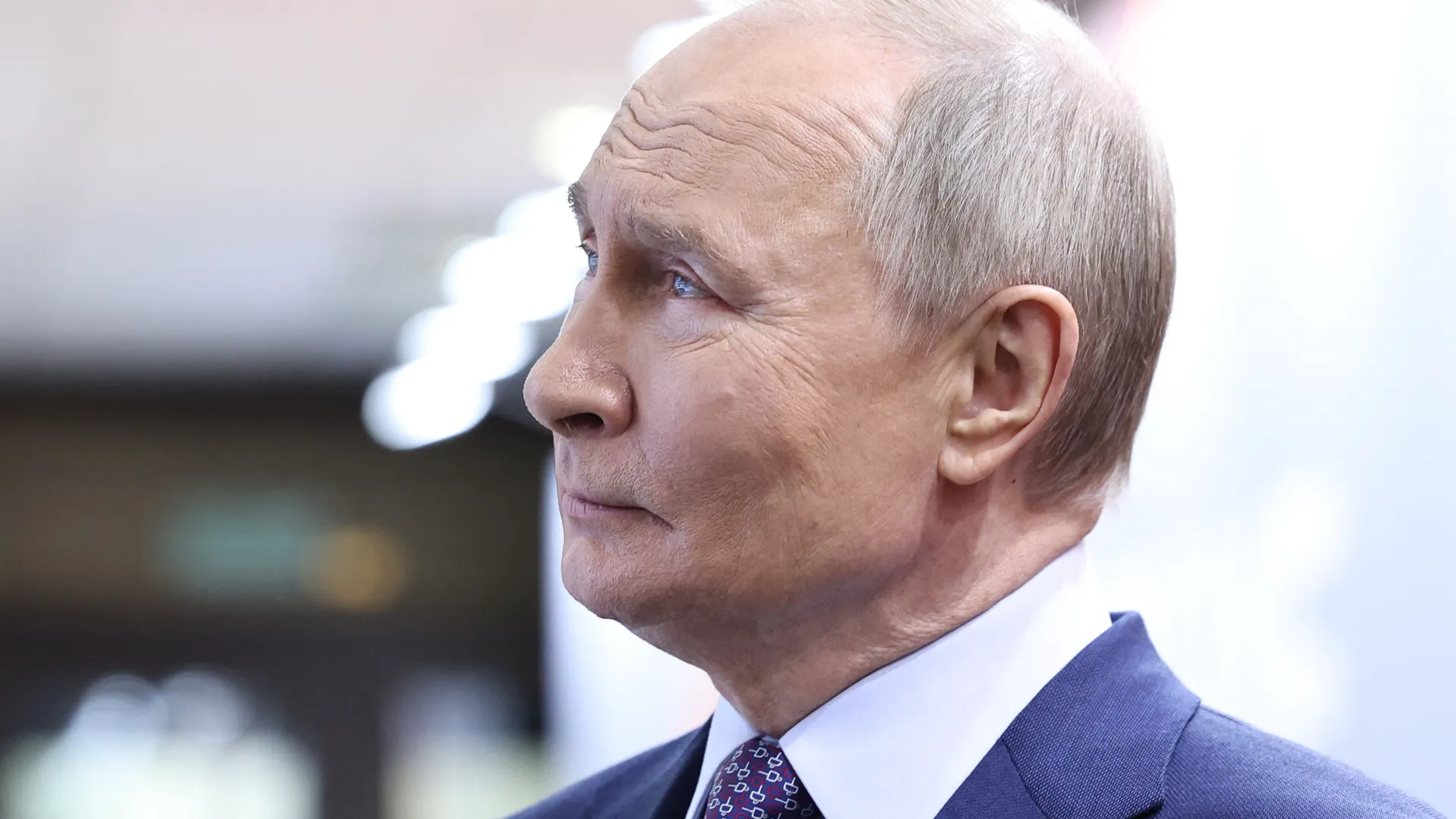
The situation is further elaborate by the fact that some European nations, including France and the Netherlands, have recently increased thier imports of Russian liquefied natural gas (LNG). This increase occurs despite warnings from intelligence and military sources about Russia’s ongoing hybrid warfare tactics against Europe.
Calls for Mandatory Reductions
The focus is shifting towards mandatory measures to eliminate Russian fossil fuels, rather than relying on voluntary commitments. The proposed strategy includes providing support to european gas companies currently bound by Russian gas contracts. The goal is to enable these companies to invoke a Force Majeur
clause, allowing them to break contracts without facing penalties.
Pro Tip: Force Majeure
A “Force Majeure” clause allows parties to break a contract due to unforeseen circumstances, such as war or natural disasters. This could be a key legal tool for European companies seeking to exit Russian gas contracts.
though, some argue that this measure alone is insufficient. A complete cessation of all energy supplies from Russia is necessary, including nuclear fuels and gas-intensive products like fertilizer. Addressing fraud and illegal imports through countries like Turkey, India, and Azerbaijan is also crucial.
proposed Measures and Sanctions
To effectively reduce dependence on Russian energy, several immediate actions are proposed:
- Lower the Price Cap on Oil: The current price limit on oil should be drastically reduced as it is indeed now above the market price and there is an abuse of certain costs that now fall under the price limit.
- Set Price Limits and Import Quotas: Impose price limits and import quotas for LNG, nuclear fuels, and fertilizers.
- sanction the Shadow Fleet: Implement strict sanctions against the “shadow fleet” used to evade existing measures, targeting individual ships, insurers, and owners.
The Path Forward
The Russian economy is currently facing challenges,making this a critical moment to intensify pressure and halt Russian aggression. Many European countries have already demonstrated the feasibility of reducing dependence on Russian energy through energy conservation, alternative suppliers, and efficient energy sharing.
Reader Question:
How can Europe ensure that transitioning away from Russian energy doesn’t lead to increased energy prices for consumers?
With strategic investments in diversification,energy-efficient production,and lasting alternatives,Europe can reduce its reliance on authoritarian regimes while benefiting both the environment and the economy.
FAQ: Cutting Off Russian Fossil Fuels
Why is it important to reduce dependence on Russian fossil fuels?
To stop funding Russia’s war in Ukraine and reduce reliance on authoritarian regimes.
What is the “Force Majeure” clause?
A clause allowing companies to break contracts due to unforeseen circumstances.
How can Europe reduce energy dependence without raising prices?
Through investments in diversification, energy efficiency, and sustainable alternatives.
