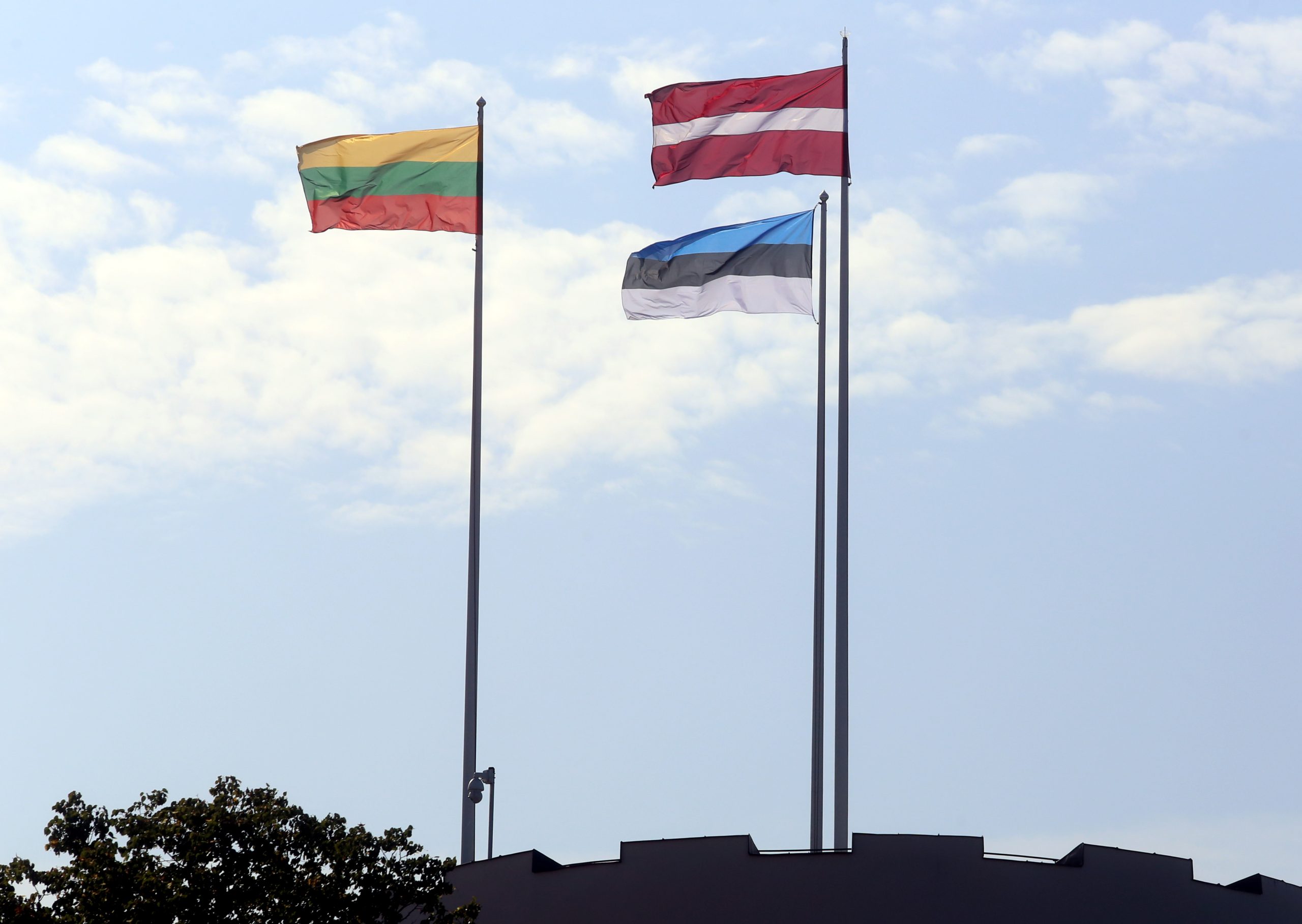
Baltic Leaders Urge EU to Ban Russian Grain Transit
Between September 1 and September 24, 253,623 tonnes of Russian grain moved in transit through Latvia, nearly doubling the volume recorded across the entire month of September 2025, according to State Revenue Service data. In the same period, 40,101 tonnes of grain from Belarus transited Latvia, compared to zero tonnes in September 2025.
Joint Letter to European Union Leaders
Latvian Prime Minister Andris Kulbergs, Estonian Prime Minister Kristens Mihals, and Lithuanian President Gitanas Nausėda sent a joint letter on Friday to European Council President António Costa and European Commission President Ursula von der Leyen, ReTV reported. The letter calls for a total ban on Russian grain transit through the European Union. According to the Estonian government press service cited by ReTV, the leaders emphasized that Russia attacks Ukrainian cargo ships, railways, and vital trade routes to weaken Ukraine’s economy. The letter further notes that Russia is seeking new export routes, including those via the Baltic Sea.
The correspondence shows that the European Union must not permit Moscow to offset the economic impacts of its military aggression. Transiting shipments include potential exports of grain stolen from Russian-occupied territories in Ukraine. Signatories urged Brussels to strengthen EU-Ukraine solidarity corridors to keep Ukrainian goods moving toward world markets.

Krievija bombardē Ukrainas ostas un neļauj Ukrainas graudiem nonākt pasaules tirgū, taču tajā pašā laikā vēlas gūt peļņu, transportējot savus graudus caur ES. Mūsu infrastruktūra nedrīkst palīdzēt Krievijai finansēt tās karu. Mums jāpalielina spiediens uz agresoru un jāpalīdz Ukrainai nogādāt savas preces pasaules tirgū,
Estonian Prime Minister Kristens Mihals said, as reported by ReTV. Mihals plans to bring the issue to the upcoming European Council meeting in Brussels.
Lithuania Proposes EU-Wide Transit Ban on Russian Grain
Lithuania plans to propose an EU-wide transit ban alongside targeted sanctions against specific Russian agricultural oligarchs who support the war, Diena reported, citing a statement by Virginijus Sinkevičius on Facebook. Sinkevičius noted that while 2024 EU customs tariffs were introduced on Russian and Belarusian grain products, those measures fail to completely prohibit transit shipments bound for third countries. He added that Russia uses European and Baltic ports to export grain, a situation he called unacceptable because EU sanctions have not applied to food products.
Approaches among the Baltic states show operational divergences. Estonia instituted a unilateral ban on the transit of grain originating from Russia and Belarus starting October 1, Diena reported. Meanwhile, Latvia implemented specialized border controls without an outright transit ban. The Saeima adopted amendments on September 24 to the Animal Feed Circulation Law on an urgent basis to subject third-country grain shipments to rigorous border checks, aiming to block the passage of crops looted from Ukraine, according to BauskasDzive.lv. The Saeima Press Service stated these changes ensure looted Ukrainian cargo does not move through Latvian territory. Latvia has already banned the import or free circulation of agricultural and feed products from Russia and Belarus, a ban expanded in August 2026. Goods from third countries may still cross EU customs territory using external transit procedures without entering the EU market.
Data from the Lithuanian State Food and Veterinary Service shows that no feed grain cargoes from Russia, Belarus, or other unverified origins arrived at the port of Klaipėda throughout 2024, Diena reported. Conversely, Latvian transit figures climbed. On September 24, Saeima Speaker Daiga Mieriņa issued a statement noting that Russia shifted its grain transit toward the Baltics, specifically Latvia, as Ukrainian defense operations in the Black and Azov Seas intensified.
Border Inspection Capacity and Transport Volumes
Latvia’s Food and Veterinary Service confirmed that its operational capacity remains sufficient to execute mandatory border inspections on incoming grain cargo, according to BauskasDzive.lv. The agency noted that inspectors from PVD administrations will be mobilized if needed, and costs are covered by the carriers. Tatjana Garanča, deputy director of the PVD Border Control Department, stated that inspectors have examined approximately 500 grain transit shipments originating from Russia. Collaborating with customs on risk analysis, officials selected ten cargo samples for laboratory testing, a process that can take a month or longer. In Lithuania, the State Food and Veterinary Service took five samples from two cargoes of unclear origin for foreign laboratory testing.

Brīvā Daugava reported discussions regarding a potential 300% tariff increase or infrastructure fee adjustments on Russian grain shipments, with revenues directed toward Ukrainian defense needs. Such a move would effectively quadruple costs, potentially raising the corridor price to between 25 and 100 euros, while Euronext wheat prices currently fluctuate between 230 and 250 euros. Parliamentary debates highlighted divisions, with transport officials noting past pushback from grain terminal owners concerned about lost handling revenue and regional employment.
Protest groups such as the Nē – krievu asins graudiem
initiative continue to demand an absolute halt, rejecting arguments that stopping the traffic will harm local jobs or global food security in developing nations, Brīvā Daugava reported. Gundars Kalve, an organizer of the initiative, warned that Vladimir Putin has repeatedly stated that the collapse of the USSR was Russia’s greatest misfortune.

Annual Transit Figures
From January 1 to September 24 of this year, 593,663 tonnes of grain from Russia transited through Latvia, an 8.9% decrease compared to the total for 2025. During the same period, 116,847 tonnes of grain from Belarus transited Latvia, which is 913 times more than the total for 2025.
It remains unconfirmed whether European Council leaders meeting in Brussels next week will adopt the joint Baltic proposal to enact a binding Union-wide ban on Russian agricultural transit.