
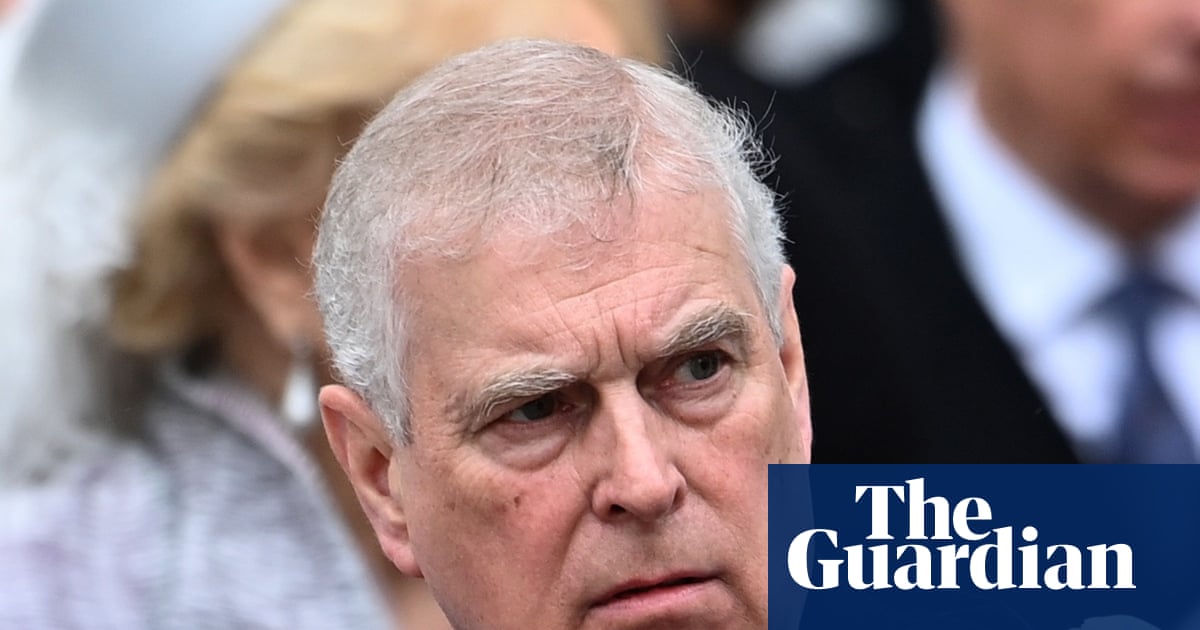
Australia has offered its support for the potential removal of Prince Andrew, Duke of York, from the British line of succession following his recent arrest on suspicion of misconduct in public office. The offer of support, communicated in a letter from Australian Prime Minister Anthony Albanese to his British counterpart Keir Starmer, comes as the UK government considers legislative action to strip the former prince of his succession rights.
According to excerpts of the letter supplied to Guardian Australia, Albanese stated his government “would agree to any proposal to remove him from the line of royal succession.” He further affirmed his agreement with King Charles III’s position that “the law must now take its full course and there must be a full, fair and proper investigation.” Albanese emphasized that the allegations against Prince Andrew are “grave” and that Australians are taking them “seriously.”
Prince Andrew was arrested on Thursday, February 20, 2026, on suspicion of misconduct in public office, relating to accusations of sharing sensitive information with convicted sex offender Jeffrey Epstein although serving as the UK’s trade envoy. He was subsequently released under investigation. Despite being stripped of his royal titles last year due to his association with Epstein, he remains eighth in line to the throne.
Removing Prince Andrew from the line of succession would necessitate an Act of Parliament in the UK, as well as the consent of the 14 Commonwealth realms where King Charles III is head of state. Australia is among these realms, alongside Canada and New Zealand.
The Australian Prime Minister’s offer of support marks the first confirmation from a Commonwealth country regarding potential legislative changes. In 2011, then-British Prime Minister David Cameron secured the backing of Commonwealth nations, including Australia, for amendments to the succession laws, prioritizing male heirs and lifting a ban on marrying Roman Catholics.
Albanese, while acknowledging his longstanding republican views, indicated that Prince Andrew’s arrest would not trigger a renewed push for an Australian republic. A 1999 referendum on the issue, held under the prime ministership of John Howard, failed to gain sufficient support for constitutional change.
Speaking on the Guardian’s Australian Politics podcast on Friday, Albanese described Prince Andrew’s situation as an “extraordinary fall from grace,” noting the contrast between his former position of privilege and his current circumstances.
Prince Andrew has denied all allegations against him. Buckingham Palace has indicated it will not obstruct any plans to remove him from the line of succession, with King Charles III stating that the legal process must be allowed to proceed. The UK government has indicated it will consider legislation once the police investigation is complete.
