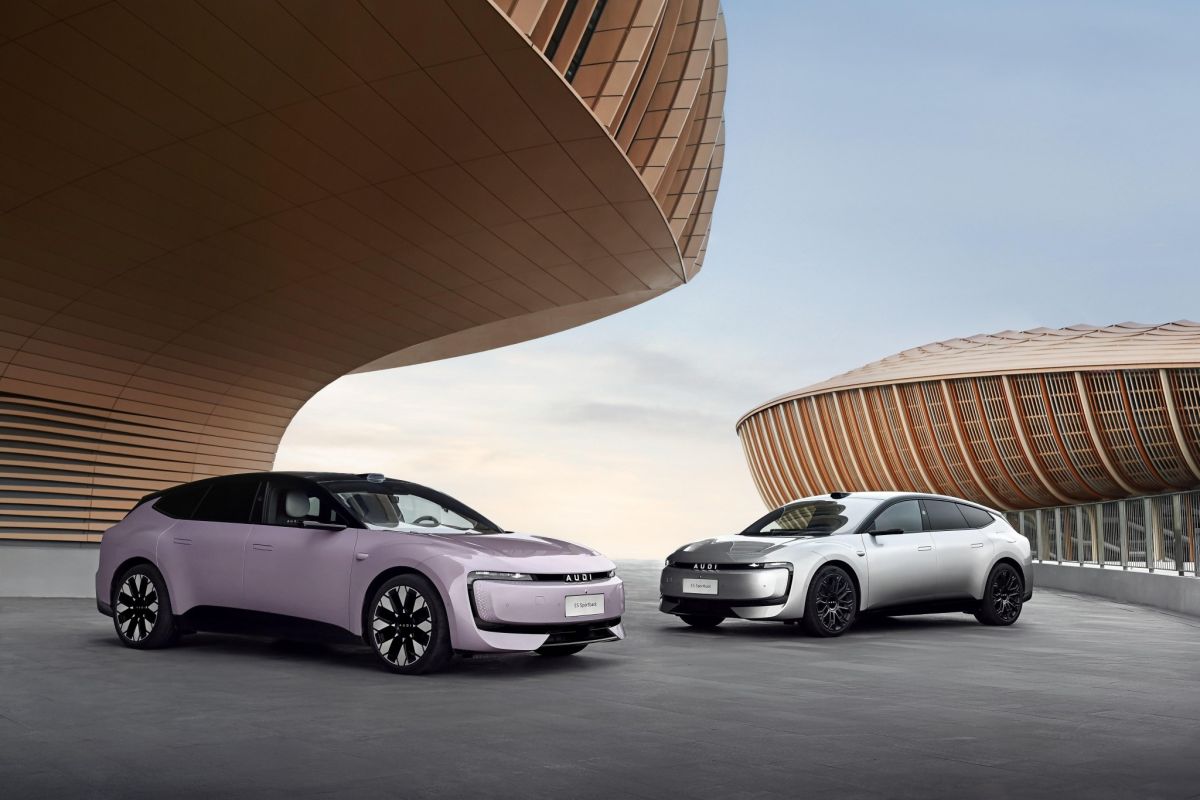
Audi Blocks Import of China-Made E5 Sportback and E7X in Europe
Audi AG has initiated strict legal proceedings in Germany to halt the unauthorized parallel import of China-exclusive electric vehicles, specifically targeting the AUDI E5 Sportback and E7X models, according to reporting by Automobilwoche and corroborated by European market coverage. The dispute exposes widening fissures in cross-border automotive distribution as grey-market traders exploit significant pricing discrepancies between Asian manufacturing hubs and European showrooms.
The core fiscal friction centers on vehicle homologation and regional market segmentation. Developed collaboratively by Audi and its Chinese state-owned joint venture partner SAIC, the vehicles trade under a modified “AUDI” brand identity that omits the traditional four-rings logo in favor of capitalized lettering. While independent distributors like Auto China successfully imported, homologated, and offered the vehicles to European buyers, corporate headquarters argues that these units were never intended for export outside mainland China. The unauthorized influx threatens corporate pricing strategies and undermines regional distribution models.
Legal Defense and Intellectual Property Safeguards
Automakers face mounting compliance and warranty liabilities when products cross regional boundaries without corporate sanction. According to German industry reporting, Audi’s legal countermeasures are designed to protect domestic dealers from unauthorized competition while shielding the brand from operational hazards. Vehicles built for the Chinese domestic market lack integration with official European service networks. Owners of these parallel imports encounter severe operational bottlenecks, including incompatible onboard software, missing diagnostic toolsets, and an absence of localized spare parts for repairs and routine maintenance.
Supply Chain Arbitrage and the European Pricing Gap
The aggressive push by independent traders to secure and ship these models underscores a deeper market demand for competitively priced electric alternatives. The Chinese-market variants offer advanced digital ecosystems and robust battery specifications at price points significantly lower than domestically distributed European equivalents. This disparity drives grey-market activity, forcing manufacturers to deploy aggressive compliance checks at ports of entry.
Market Outlook for Cross-Border EV Distribution
The Audi-SAIC distribution dispute sets a precedent for how legacy manufacturers will handle unauthorized trade flows as Chinese electric vehicle production scales up. With E5 Sportback and E7X models temporarily vanishing from primary grey-market catalogs in Europe following initial legal warnings, secondary traders are reassessing their import strategies.

Businesses navigating these volatile trade dynamics must maintain agile compliance frameworks.