
AT&T Trials AI-Powered Digital Receptionist to Combat Scam Calls
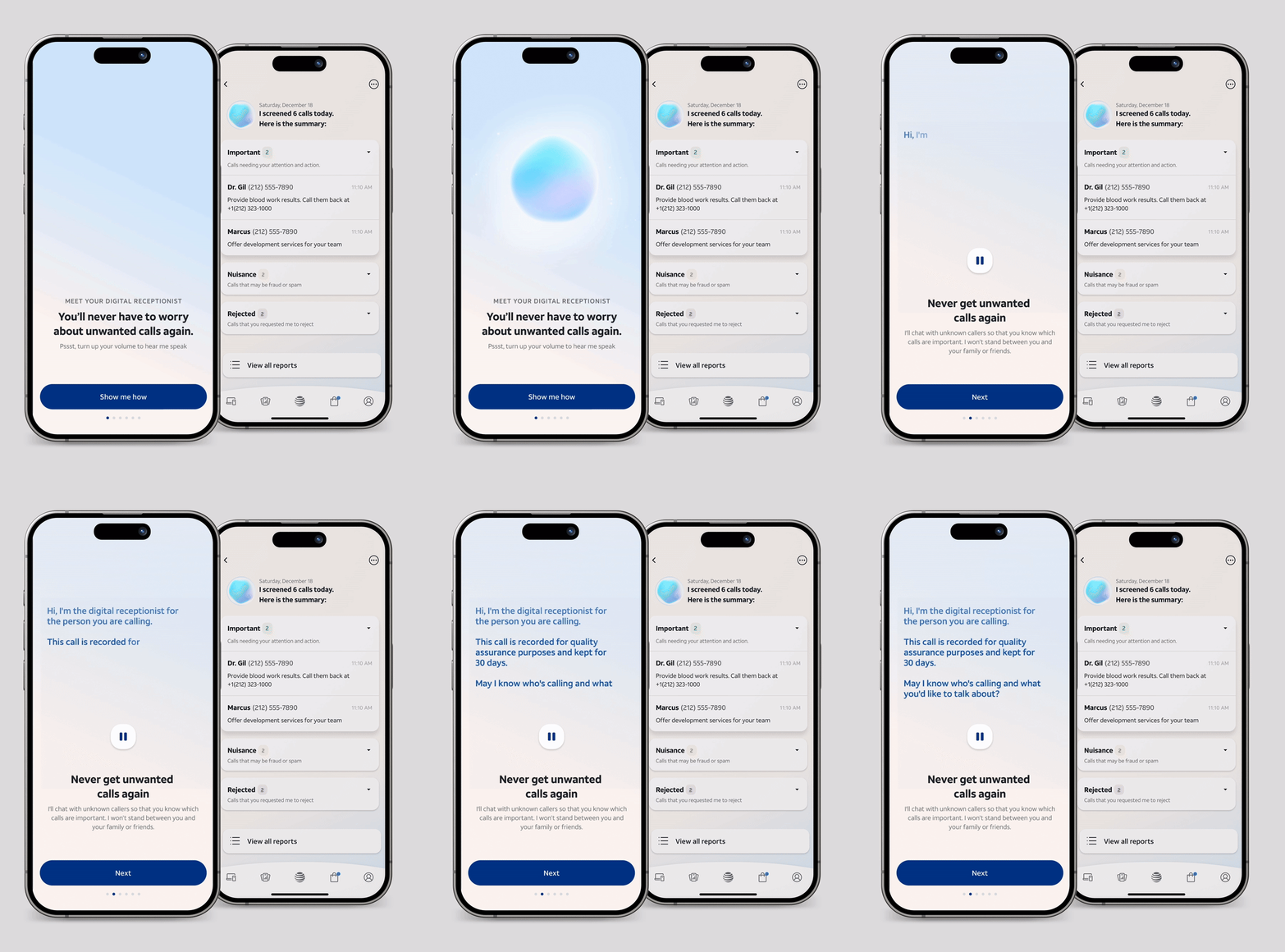
DALLAS,TX – September 2025 – AT&T is currently trialing a new digital receptionist service designed to filter out spam calls and connect customers directly to the people they want to reach. The service utilizes advanced voice-to-voice technology and “agentic AI,” powered by large language models (LLMs),to screen incoming calls in a way that feels “as quick and natural as talking to a human,” according to AT&T.
The digital receptionist answers calls on a user’s behalf, asking questions such as “Who’s calling?” and “what’s this regarding?” before determining the call’s urgency and relevance based on pre-set user criteria.If deemed crucial, the call is connected seamlessly. Otherwise, the AI can handle tasks like taking messages or confirming delivery windows.
This approach differs from existing call screening features, like Apple’s recently introduced call Screening in iOS 26, which automatically answers unknown numbers and presents the caller’s details to the user.AT&T’s system operates at the carrier level, potentially reaching a wider range of users across different phone brands – including iPhones, Galaxy devices, and budget phones.
“This is just a taste of what AI agents could do with your phone to make your life easier,” AT&T stated. The company envisions future iterations of the technology autonomously handling tasks like restaurant reservations or managing calls when a user is unavailable,even providing real-time directions via text prompts.
AT&T emphasizes the need for this technology as scammers increasingly leverage AI. The company believes this service offers a built-in layer of protection for all customers, not just those with the latest devices. While acknowledging potential initial adjustments to refine call screening preferences, AT&T suggests the benefits of reduced robocalls and scam attempts outweigh the inconvenience.
The service is currently in trial, and its future as a default feature remains to be seen.
