Atopic Dermatitis and Asthma Risk: Cureus Systematic Review
Children diagnosed with early-onset atopic dermatitis face a two to three times higher risk of developing asthma later in life, particularly when paired with a family history of atopy, according to a systematic review published in Cureus.
- Early-onset atopic dermatitis within the first two years of life significantly increases subsequent asthma risk.
- A family history of atopy doubles a child’s likelihood of developing asthma during childhood.
- The systematic review evaluated 12 high-quality studies following PRISMA 2020 guidelines across PubMed, Google Scholar, and ScienceDirect.
Atopic Dermatitis As the Initiator of the Atopic March
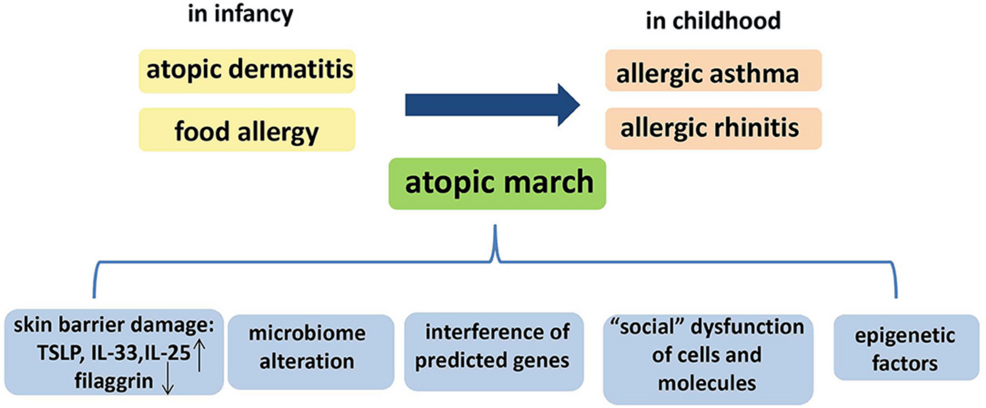
Atopic diseases stem from an immune system overreaction to common allergens such as pollen, dust mites, or pet dander. According to background data published in Cureus, these conditions affect approximately 10-30% of the global population. Atopic dermatitis typically emerges early in life, with about 45% of cases appearing within the first six months, 50% to 60% within one year, and around 85-95% before age five. The sequential progression from atopic dermatitis to subsequent allergic conditions like asthma and allergic rhinitis is known as the atopic march. Asthma itself is a chronic inflammatory disease of the lower airways affecting roughly 339 million people worldwide, with approximately 1,000 deaths occurring each day, as noted in additional coverage from ScienceDirect.
Evaluating the Evidence Through the PRISMA Framework
To examine the link between early-onset atopic dermatitis and childhood asthma, researchers initiated a comprehensive data search on April 13, 2025. Following Preferred Reporting Items for Systematic Reviews and Meta-Analyses (PRISMA) 2020 guidelines, the search spanned PubMed, Google Scholar, and ScienceDirect. Out of 7,261 initial records identified, 12 high-quality studies with a low risk of bias met the final inclusion criteria. This primary evidence pool comprised eight prospective cohort studies, two retrospective cohort studies, one narrative review, and one systematic review with meta-analysis.

Genetic Mutations and Allergen Exposure Drive Asthma Development
Not every child with early-onset atopic dermatitis develops asthma, prompting researchers to examine specific phenotypic drivers and genetic predispositions. The double-hit theory suggests that genetic susceptibility, specifically filaggrin gene (FLG) mutations causing skin barrier dysfunction, acts as the first hit. When combined with environmental allergen exposure as the second hit, the process promotes allergic sensitization and subsequent asthma development. Prospective cohort data from Amat et al. in 2015 and Huang et al. in 2018 indicate that early sensitization to food allergens, early-life smoke exposure, and a paternal history of asthma heighten the probability of a child progressing along the atopic march.
Methodological Contrasts in Longitudinal Cohorts
While multiple birth cohorts support the atopic march hypothesis—including prospective work by Lowe et al. in 2017 and Roduit et al. in 2017—other longitudinal investigations report varying associations. ScienceDirect notes that while several cross-sectional and long-term longitudinal studies confirm the progression from eczema to asthma, certain cohorts present divergent findings regarding food allergies and allergic rhinitis.

Disclaimer: The information provided in this article is for educational and scientific communication purposes only and does not constitute medical advice. Always consult with a qualified healthcare provider regarding any medical condition, diagnosis, or treatment plan.