At least three civilians were killed and two others injured in a Russian attack that slammed
Friedrich Merz Warns European Capitals Are Underestimating Russian Ambitions Beyond Ukraine
At least three civilians were killed and two others injured in a Russian attack that slammed directly into Kramatorsk in eastern Ukraine, damaging three residential buildings. The unfolding violence on the front lines coincides with mounting diplomatic friction in Berlin, where Friedrich Merz warned in an interview with Bloomberg that European governments are severely underestimating the true scale of the Russian threat. According to Merz, Russian President Vladimir Putin is not merely focused on territorial gains within Ukraine, but actively aims to destabilize the broader political architecture and democratic integration of the entire European continent.
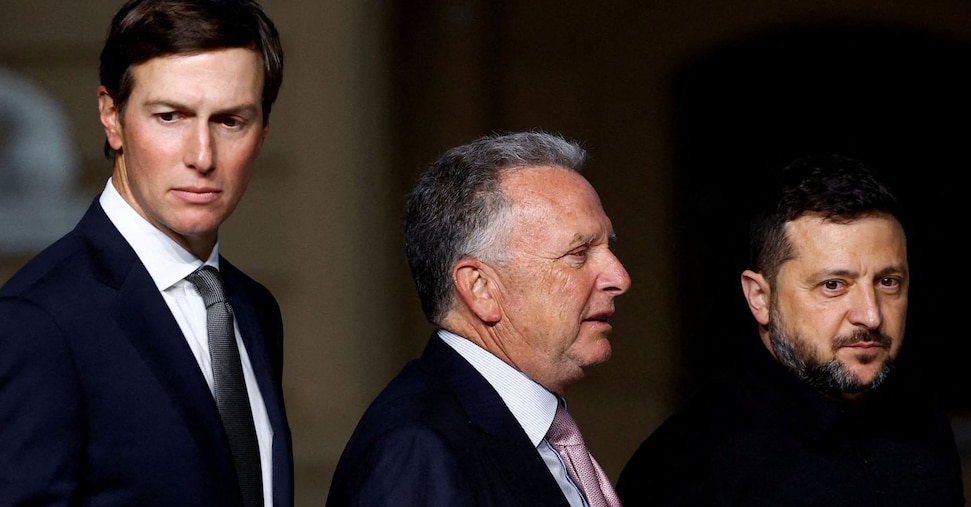
The stark assessment from Berlin arrives as diplomatic efforts shift toward Scandinavia. Ukrainian President Volodymyr Zelensky traveled to Oslo to hold negotiations with the leaders of Norway and Finland, alongside US special envoys Steve Witkoff and Jared Kushner. The talks focus heavily on securing critical military hardware, including interceptor missiles and early-warning defense systems, while addressing the situation relative to Starlink and Starshield satellite networks relied upon by Ukrainian forces.
High-Stakes Diplomacy in Oslo Meets Territorial Pressures
The diplomatic track in Oslo runs parallel to intense friction regarding potential peace terms. US Secretary of State Marco Rubio, speaking to reporters in India, forcefully rejected accusations that Washington was deliberately undermining Kyiv or withholding vital intelligence. Rubio dismissed claims that American actions contributed to casualties in Ukraine as scandalous and false, while noting Washington’s persistent frustrations regarding maritime security and energy infrastructure in the Black Sea.
Simultaneously, reporting from The New York Times indicates that the United States is pressing Zelensky to evaluate a negotiated settlement involving territorial compromises in the country’s eastern provinces. While Kushner participated virtually in the Oslo meetings, Witkoff plans to travel onward to Russia to present diplomatic frameworks developed in consultation with European partners and Ukrainian leadership.

Hybrid Attacks and Infrastructure Vulnerabilities Across Europe
The widening scope of the conflict extends far beyond the active combat zones. European Union High Representative for Foreign Affairs Kaja Kallas highlighted a dangerous escalation in the Black Sea, pointing to a series of recent drone attacks. Kallas emphasized that Moscow is increasingly turning to hybrid warfare and targeting civilians across the rest of Europe as battlefield momentum stalls.
Domestically, Chancellor Merz used a governmental address in the Bundestag to connect external security challenges directly to internal political stability in Germany. Merz accused political forces on both the far-right and far-left of spreading disinformation and minimizing the Russian threat to score domestic political points. As investigations continue in Kramatorsk and international envoys prepare for direct talks in Russia, European policymakers face mounting pressure to balance escalating defense requirements against domestic economic constraints.