
Astronomer Records Rare Double Meteor Impact on the Moon in Stunning Video
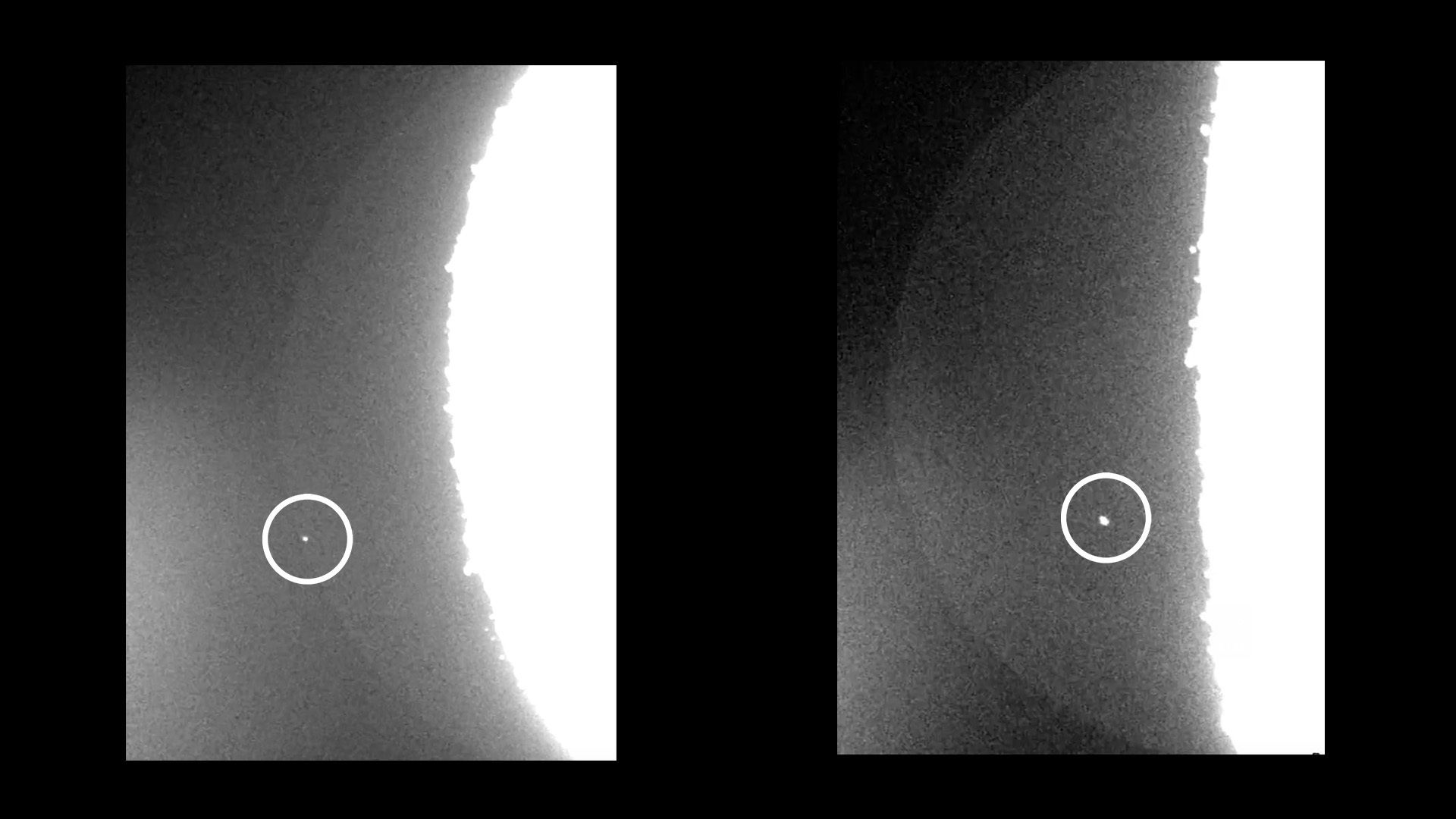
TOKYO – An astronomer in Japan has captured footage of two meteors striking the moon within a 15-minute timeframe, a rare event offering valuable insight into the lunar surroundings adn the constant bombardment of space rocks. Daichi Fujii, who has been continuously observing lunar flashes since 2020, recorded the impacts on the night of November 21, 2023, using a 20cm telescope.
The observation is significant because the moon, lacking Earth’s protective atmosphere, is constantly hit by meteoroids. While these impacts are frequent, visually detecting them is challenging. Fujii’s footage provides a rare glimpse into this ongoing process, helping scientists better understand the lunar surface and the potential hazards posed by space debris. The event underscores the importance of continued lunar monitoring as space exploration increases.
Fujii has documented a total of 60 flashes to date, typically detecting one impact flash every few dozen hours of observation. “I started observing lunar impact flashes around 2011 and have been continuously observing as 2020,” fujii said. “Because the thin crescent moon is visible only briefly and often low in the sky where thin clouds are common,I only observe a few dozen flashes per year.”
Unlike Earth, where most meteors burn up in the atmosphere, the moon’s lack of atmospheric protection means meteoroids strike its surface at speeds between 45,000 and 160,000 mph (20 to 72 km/s).These impacts can create craters tens of feet across, even from relatively small meteoroids. NASA notes that a rock weighing just 11 pounds (5 kilograms) can excavate a crater exceeding 30 feet (9 meters) in diameter and eject over 75 metric tons of lunar material.
