
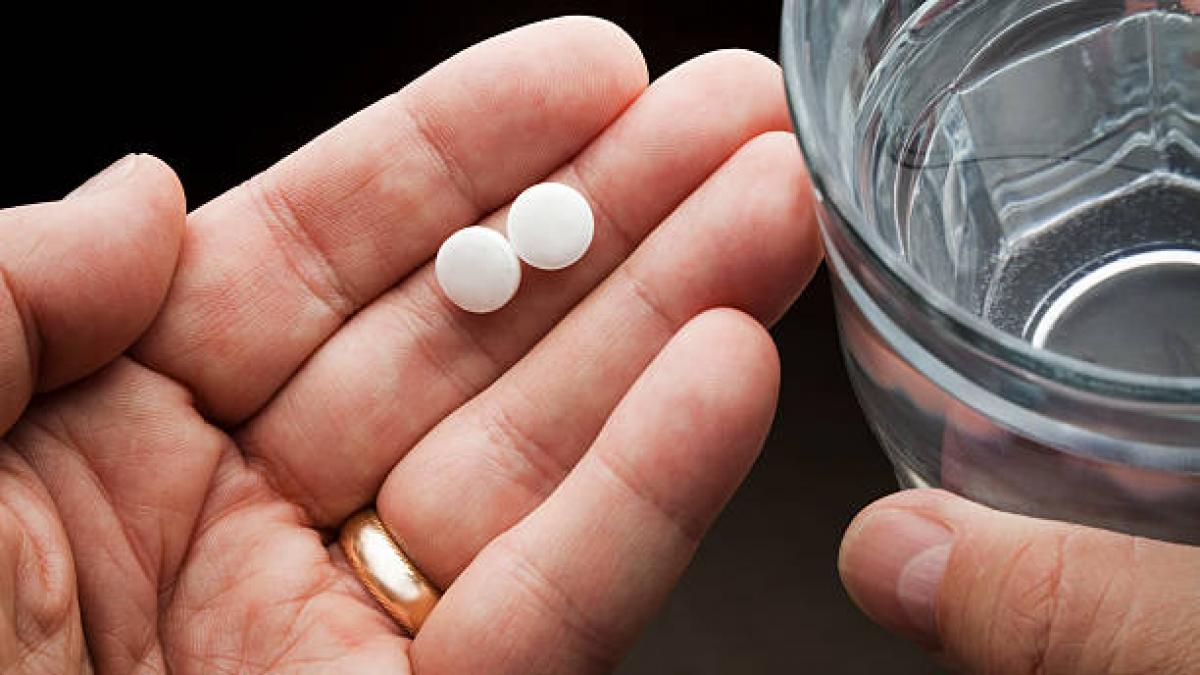
Aspirin for Prevention: Doctors Warn Against Widespread Self-Medication
Bucharest, Romania – A growing number of doctors are cautioning against the routine use of aspirin as a preventative measure for heart attack and stroke, citing increased risks of serious bleeding, especially in older adults. Despite a common misconception – perpetuated even by some medical professionals – that a daily low-dose aspirin is universally beneficial, experts emphasize it’s not a one-size-fits-all solution and can be dangerous without proper medical evaluation.
Dr. Chițoiu recently posted on Facebook, highlighting the dangers of unnecessary aspirin use, stating it “can lead to gastrointestinal or cerebral hemorrhages, especially to people past 70 years and who constantly take aspirin ’as prevention,’ even though it does not fall into the risk group that would benefit from it.”
aspirin is recommended in “secondary prevention” – meaning for patients after a cardiovascular event like a heart attack, stroke, or for those with implanted stents or peripheral artery disease – to prevent recurrence. However, for “primary prevention” - individuals with no prior cardiac history – international guidelines recommend aspirin only be considered selectively based on individual cardiovascular risk assessment.
According to dcmedical.ro, patients under 60 with a high cardiovascular risk (over 10%) may, after consulting a doctor, consider aspirin. Conversely, those over 70 are advised to avoid it due to heightened bleeding risks.
Doctors stress that the most effective strategies for preventing cardiovascular disease remain a healthy lifestyle: quitting smoking, managing blood pressure and cholesterol, adopting a balanced, Mediterranean-style diet, engaging in regular physical activity, and appropriately treating diabetes and obesity. Taking aspirin daily without a clear medical indication is not a worldwide solution and can pose notable health risks.
