
Asian Stocks Advance and Bond Yields Ease on US Jobs Report
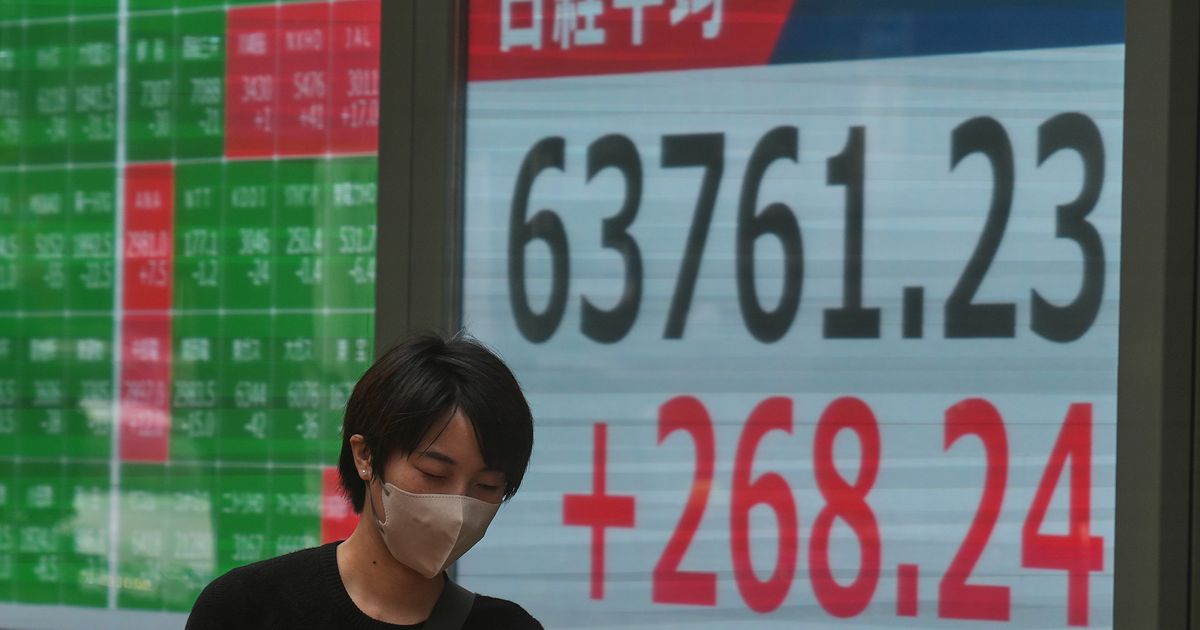
Asian stock markets advanced on Monday, driven by a softer U.S. jobs report that reduced expectations for further Federal Reserve interest rate hikes and eased pressure on bond yields, according to Investing.com. Japan led the regional surge, with the Nikkei 225 climbing past the 70,000 threshold for the first time in three months.
Nikkei 225 Surges Past 70,000 as Technology Shares Rally
The Nikkei reached as high as 70,037.61 during morning trading, marking its first foray above the 70,000 mark in three months. Investor appetite for artificial intelligence and semiconductor shares fueled the advance. Tokyo Electron shares gained 5.5% and SoftBank Group rose 3.3%, according to source articles.
Corporate expansion also supported the broader market activity in Japan. Kao Corp. shares rose 1% after agreeing to acquire Akzo Nobel’s Southeast Asian unit in a deal valued at $1.35 billion, as detailed by Investing.com. Elsewhere in the region, trading remained subdued as South Korea and mainland China closed for public holidays. Hong Kong’s Hang Seng remained little changed at 23,981.50, and Australia’s S&P/ASX 200 traded flat to slightly higher at 8,691.90, according to source articles.

U.S. Labor Data and Bond Market Relief Drive Risk Appetite
The regional equities rally followed a supportive session on Wall Street where the S&P 500 closed near record highs on Friday. The shift in market sentiment stemmed from the latest U.S. employment figures showing employers added 29,000 jobs in September—fewer than economists anticipated and a significant slowdown from August’s net hiring rate of 133,000, alongside easing wage growth. Money markets responded by pricing in less than a 25% chance of an October Federal Reserve rate hike, according to Investing.com.
The pullback in rate expectations provided immediate relief to global bond markets. The yield on the 10-year U.S. Treasury fell two basis points to 5.25%, retreating from a peak near 5.35% on Thursday that had marked the highest level in two decades. The reprieve offered a temporary counterweight to persistent inflation concerns, heavy government spending, and corporate borrowing tied to the artificial intelligence infrastructure buildout.
Oil Prices Retreat Amid Regional Supply Risk Assessments
Crude oil prices pulled back from earlier advances as markets digested evolving geopolitical risks in the Middle East. Benchmark U.S. crude fell 0.6% to around $101.60 a barrel, retreating from highs above $103 reached earlier in the session, Investing.com reported. U.S. crude settled lower at $90.17 a barrel, while international standard Brent crude inched down 0.58% to $101.66. The initial price surge followed an offensive by Saudi-backed forces in Yemen to reclaim territory controlled by Iran-aligned Houthis, prompting traders to reassess potential disruptions to regional energy flows.
Despite the improved risk appetite across Asian equities, elevated long-term bond yields and ongoing geopolitical tensions continue to leave global markets vulnerable to heightened volatility as corporations prepare for upcoming fiscal quarters.