
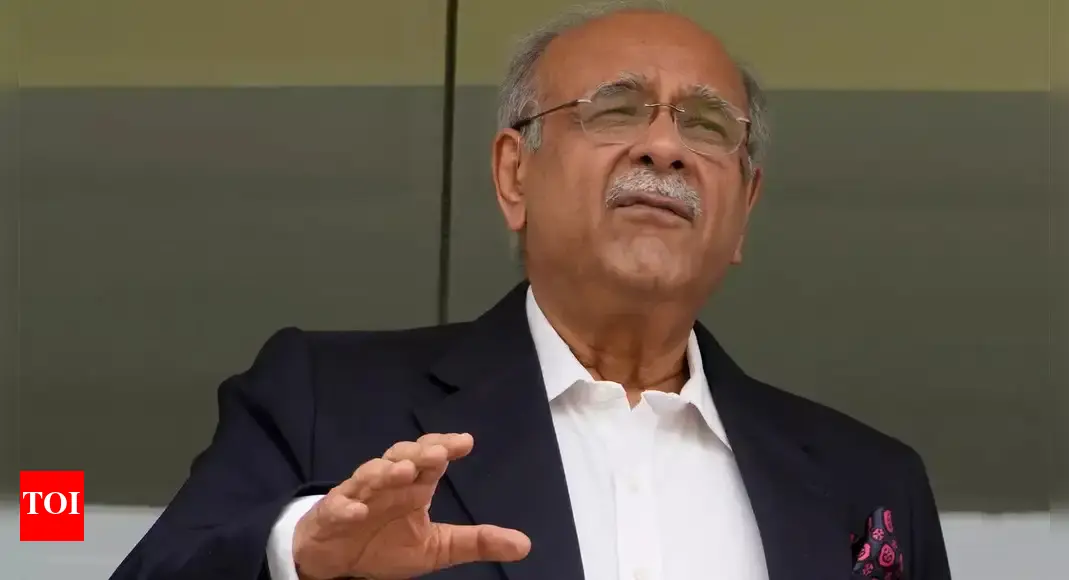
Former PCB chairman Details Asia Cup Boycott Threat Amidst Scheduling Disputes
Lahore, Pakistan – September 20, 2023 – Najam Sethi, former chairman of the Pakistan Cricket Board (PCB), has revealed the extent of Pakistan’s frustration with the scheduling of the 2023 Asia Cup, disclosing a willingness to boycott the tournament and openly criticizing both the Asian Cricket Council (ACC) and the International Cricket Council (ICC). Sethi’s statements, made public recently, offer a rare inside look at the high-stakes negotiations and simmering tensions surrounding the continental competition.
The dispute centered on the ACC’s decision to relocate the Asia Cup matches from Pakistan to Sri lanka, despite Pakistan being the designated host. This move,prompted by concerns over logistical challenges and the willingness of participating teams to travel to Pakistan,sparked outrage within the PCB and led to a point where a complete withdrawal from the tournament was seriously considered. The situation underscores the complex geopolitical factors and power dynamics influencing international cricket governance, and raises questions about the fairness of tournament allocation and scheduling processes.
Sethi recounted a heated exchange during a meeting with ACC officials, stating, “I told them, ‘Let the Asia Cup go to hell, let the ICC go to hell.’ I was so frustrated.” He explained that the PCB felt it had been unfairly treated, particularly after making concessions regarding the hybrid model proposed for the tournament – a compromise where Pakistan woudl host some matches and sri Lanka the remainder.
According to Sethi, the PCB’s primary concern was preserving pakistan’s hosting rights, a matter of national pride and financial benefit. He alleged that the ACC, heavily influenced by the Board of control for Cricket in India (BCCI), disregarded Pakistan’s position and prioritized the convenience of other participating nations. “They didn’t care about our concerns,” Sethi claimed. “They just wanted to appease India.”
The threat of a boycott was ultimately averted after intense negotiations and the acceptance of the hybrid model, allowing Pakistan to host four matches of the tournament.However, Sethi’s revelations highlight the deep-seated animosity and mistrust that exists within the Asian cricket community, and suggest that similar disputes could arise in the future. The incident also casts a shadow over the ACC’s decision-making processes and its ability to act impartially in the face of competing interests.
