
Artificial Pancreas Systems Offer hope for Type 1 Diabetics in Brazil and Beyond
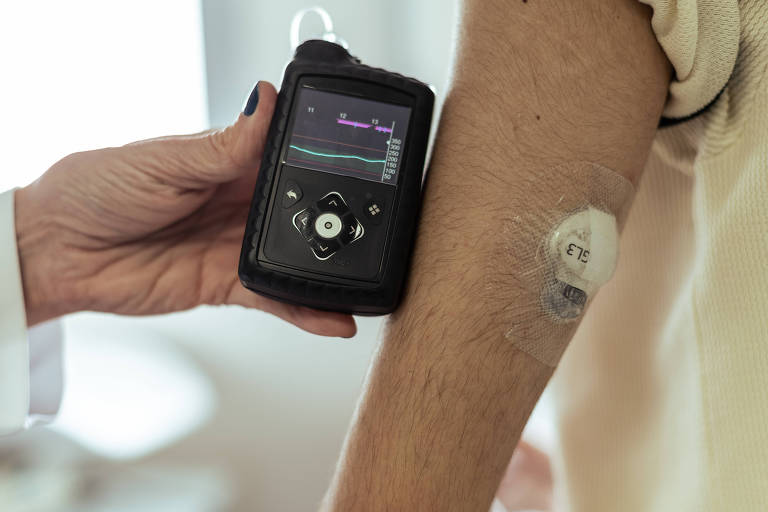
In Sao Paulo, Brazil, an innovative device resembling an early audio player is revolutionizing the lives of individuals with type 1 diabetes: the artificial pancreas. This system, integrating an insulin pump and glucose sensor, automates insulin delivery based on real-time blood glucose levels, offering a significant betterment over customary methods. However, the high cost and limited public access pose challenges for many Brazilian diabetics.
How artificial Pancreas Systems Work
The artificial pancreas combines an insulin pump and a continuous glucose monitor (CGM). The CGM transmits blood glucose readings to the pump every five minutes. An algorithm within the pump interprets these readings and adjusts insulin delivery accordingly [[1]]. This automated system mimics the function of a healthy pancreas, maintaining stable blood sugar levels and reducing the risk of both hypoglycemia (low blood sugar) and hyperglycemia (high blood sugar).
The system also allows users to manually input information about upcoming meals, enabling pre-emptive insulin delivery to manage post-meal glucose spikes. While current systems require some user input, researchers are actively developing fully automated, “closed-loop” systems that require no manual adjustments [[2]].
Did You Know? The first artificial pancreas was developed in the 1970s,but it was the size of a refrigerator!
Accessibility and Cost in Brazil
While artificial pancreas systems offer significant benefits,their high cost presents a major barrier to access in Brazil. The only commercially available device costs approximately $20,000, with monthly supplies adding another $3,000. Although the Superior Court of Justice ruled in November of last year that health plans must cover insulin pumps for beneficiaries with proven need, many diabetics without private insurance struggle to afford this life-changing technology.
the Unified Health System (SUS) in Brazil does not currently incorporate artificial pancreas systems. Though, some patients can access the technology through referenced centers like the insulin pump outpatient clinic at the Federal University of São Paulo (Unifesp). This clinic, in agreement with the State Department of Health, provides the systems to patients most vulnerable to hypoglycemia crises and diabetic children.
OpenAPS: An Open-Source Option
Recognizing the need for more affordable solutions, the OpenAPS (Open Artificial Pancreas System) project emerged in the United States in 2015.This open-source system allows users to repurpose older insulin pumps and connect them to smartphones. The phone captures data from a CGM, interprets it using an algorithm, and controls the pump to deliver insulin [[3]].
A study published in the *New England Journal of Medicine* demonstrated the safety and effectiveness of OpenAPS, showing that users spent three hours more per day within their target blood glucose range compared to those in a control group, without experiencing severe hypoglycemia.
Pro Tip: Before considering OpenAPS, consult with your healthcare provider to ensure it’s a safe and appropriate option for you.
Maria Eduarda Dantas, a medical student and influencer with type 1 diabetes, uses OpenAPS and reports improved glycemic control and reduced emotional burden. Though,she cautions that the system requires some technical proficiency.
Global Adoption and Future Prospects
Other countries are making strides in providing access to artificial pancreas technology. The UK public health system incorporated these systems in 2023, citing cost-effectiveness compared to managing long-term diabetes complications. Portugal also began distributing insulin pumps in pharmacies in January of this year.
In Brazil,the Brazilian Diabetes Society (SBD) is advocating for the incorporation of glucose sensors into the public health system. While the Ministry of Health’s National Technology Incorporation Commission (Conitec) initially recommended against it due to budget constraints, the SBD is preparing a cost-effectiveness analysis to support its case.
| Metric | Value |
|---|---|
| Cost of Commercial System (Brazil) | $20,000 (device) + $3,000/month (supplies) |
| OpenAPS Progress year | 2015 |
| UK Public Health System Incorporation | 2023 |
Challenges and Ongoing Research
despite the advancements, challenges remain. Monica Gabbay, a professor at Unifesp, notes that current systems are “hybrid closed-loop” systems, as users still need to input carbohydrate consumption. The ultimate goal is a fully automated system that requires no manual input.
Ongoing research focuses on improving algorithms, sensor accuracy, and pump technology to create more seamless and effective artificial pancreas systems. These advancements promise to further reduce the burden of diabetes management and improve the quality of life for millions of people worldwide.
What are the biggest challenges to accessing artificial pancreas technology in your community? How do you think technology can further improve diabetes management?
Evergreen Insights: Understanding Type 1 Diabetes and Artificial Pancreas Systems
Type 1 diabetes is an autoimmune condition in which the body’s immune system attacks and destroys insulin-producing cells in the pancreas.Insulin is a hormone that regulates blood glucose levels,so individuals with type 1 diabetes must rely on external insulin sources to survive.
Traditional diabetes management involves frequent blood glucose monitoring and insulin injections or infusions. This can be a demanding and time-consuming process, requiring constant vigilance and careful calculations.artificial pancreas systems offer a more automated and convenient approach, reducing the need for manual interventions and improving blood glucose control.
The development of artificial pancreas systems represents a significant milestone in diabetes care, offering hope for improved health outcomes and a better quality of life for people with type 1 diabetes.
Frequently Asked Questions About Artificial Pancreas Systems
What is an artificial pancreas?
An artificial pancreas is a system that automates insulin delivery in people with type 1 diabetes, mimicking the function of a healthy pancreas.
How does an artificial pancreas work?
It uses a continuous glucose monitor (CGM) to track blood sugar levels and an insulin pump to deliver insulin automatically, based on the CGM readings.
Are artificial pancreas systems fully automated?
Current systems are “hybrid closed-loop” systems, requiring some user input, but fully automated systems are under development.
How much does an artificial pancreas cost in Brazil?
A commercially available system costs around $20,000, with monthly supplies adding another $3,000.
Is the artificial pancreas covered by public health systems in Brazil?
Not yet, but some patients can access it through specialized clinics. The Brazilian Diabetes Society is advocating for its inclusion in the public system.
What is OpenAPS?
OpenAPS is an open-source artificial pancreas system that allows users to repurpose older insulin pumps and connect them to smartphones.
Where can I find more information about artificial pancreas systems?
Consult your healthcare provider or visit websites like the American Diabetes Association and the Juvenile Diabetes Research Foundation (JDRF) for more information.
Disclaimer: This article provides general information and should not be considered medical advice. Consult with a qualified healthcare professional for personalized guidance on diabetes management.
share this article to raise awareness about artificial pancreas systems and their potential to transform the lives of people with type 1 diabetes! Subscribe to our newsletter for more health and technology updates.
