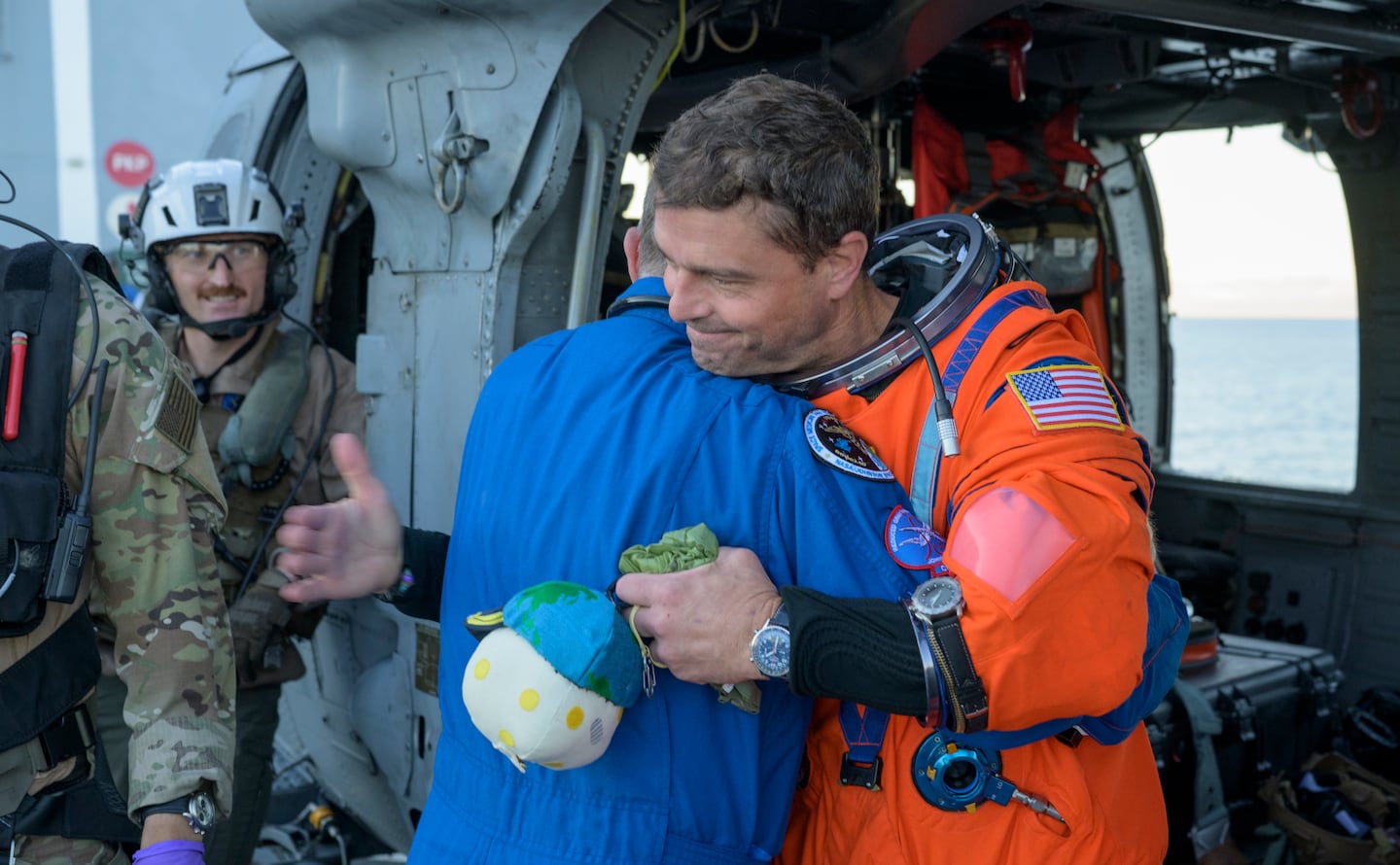
Artemis II Mission: Astronauts Reflect on the Moon and Earth’s New Frontier
Artemis II Crew Describes Cognitive Limits and Unity After Lunar Mission
Astronaut Reid Wiseman stated that the human mind may not have evolved sufficiently to fully comprehend the perspective gained during the Artemis II mission. Speaking after the flight, Wiseman told La Nación that he does not believe humanity has evolved to the point of being capable of understanding what the crew witnessed from their position in space.
Crew Perspectives on the Lunar Experience
The Artemis II mission provided a new vantage point of Earth and the Moon, leading crew members to describe the experience in terms of human evolution and emotion. According to reports from La Nación, Wiseman’s reflections focused on the gap between the biological evolution of the human brain and the scale of the cosmic environment encountered during the mission.
Christina Koch, another member of the Artemis crew, characterized the Moon as more than a celestial body. Koch told El Cronista that the Moon represents the embodiment of something present in the heart of every person, framing the lunar destination as a symbol of universal human aspiration.
Observations from the Lunar Frontier
The mission utilized its trajectory to capture the Earth from a new spatial frontier, according to Vistazo al Futuro. This positioning allowed the crew to observe the planet from a distance and perspective distinct from previous low-Earth orbit missions.
The crew also focused on the far side of the Moon. Cuestión Entrerriana reports that the mission utilized this specific lunar geography to send a message of unity back to Earth, using the isolation of the Moon’s hidden side to emphasize the interconnectedness of the human population on the home planet.