
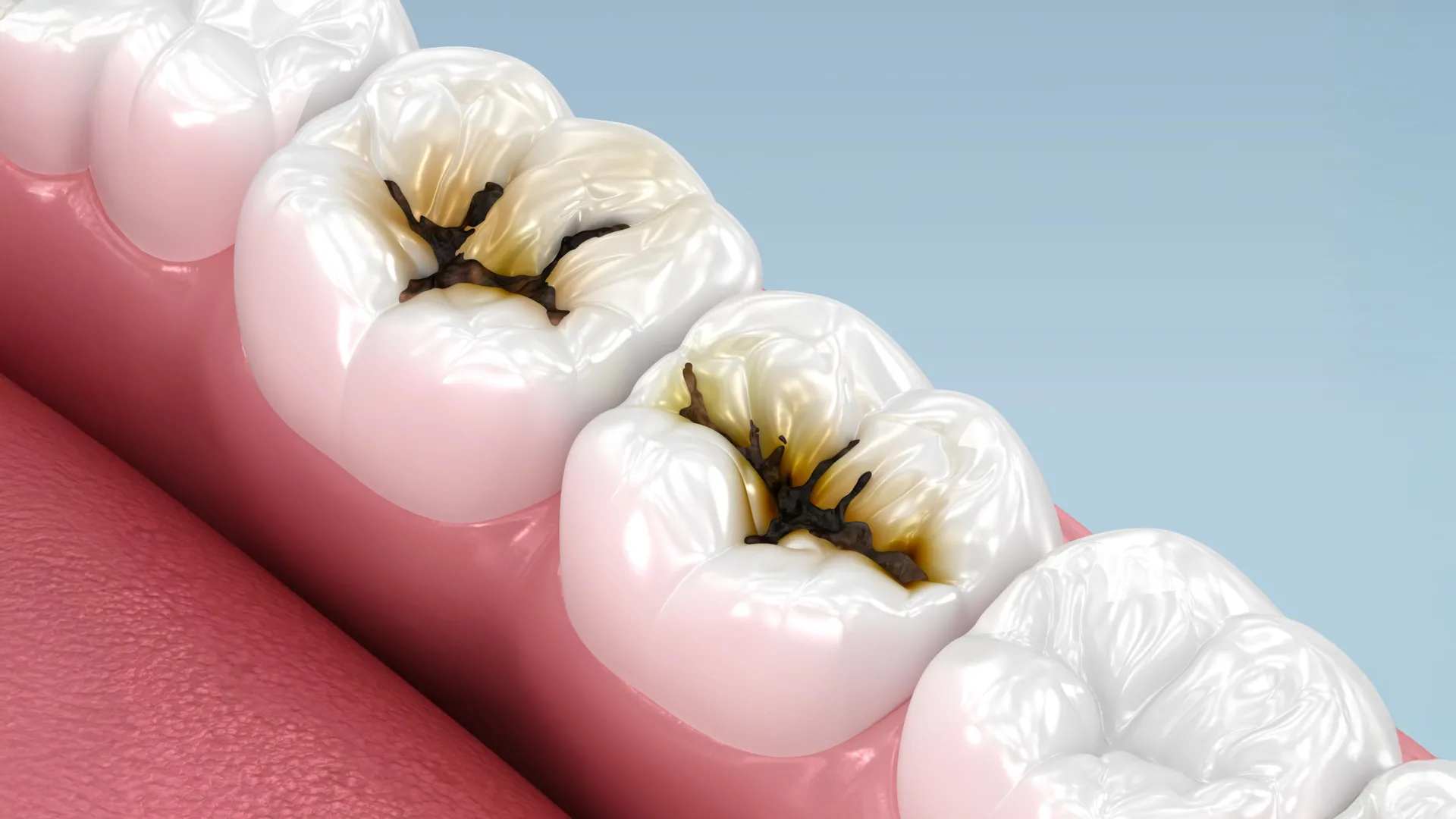
Arginine: A New Weapon in the Fight Against Tooth Decay
For centuries, the battle against tooth decay has centered on removing plaque and limiting sugar intake. But what if we could shift the very environment within the mouth to favor tooth health? Emerging research suggests that arginine, a naturally occurring amino acid, holds critically important promise in doing just that. A recent study from Aarhus University in Denmark sheds light on how arginine can alter the composition and behaviour of dental biofilms – the complex communities of bacteria that cause cavities – offering a potentially safe and effective strategy for preventing tooth decay.
Understanding Dental Biofilms and the Role of Acid
Tooth decay isn’t simply about sugar. It’s a complex process initiated by bacteria in the mouth. When these bacteria break down sugars from food, they produce acids that erode tooth enamel, leading to cavities. Though, these bacteria don’t operate in isolation.They form highly organized, resilient structures called dental biofilms, commonly known as plaque. These biofilms cling tenaciously to tooth surfaces, creating a localized environment where acid production can accelerate tooth damage. Think of it as a tiny, self-contained ecosystem where harmful bacteria thrive.
What are Dental Biofilms?
Dental biofilms are not just a simple layer of bacteria. They are complex communities containing hundreds of different microbial species, along with a matrix of polysaccharides (sugars) and proteins. This matrix provides structural support and protection for the bacteria, making biofilms incredibly resistant to removal and antimicrobial agents. The structure of the biofilm itself contributes to the problem, creating microenvironments where acid can accumulate and cause localized enamel erosion.
How Arginine Disrupts the Decay Process
Researchers have long known that arginine plays a role in oral health. Certain beneficial bacteria possess an arginine deiminase system (ADS),which allows them to convert arginine into alkaline compounds. These alkaline compounds neutralize the acids produced by harmful bacteria, effectively raising the pH level in the mouth. This creates a less hospitable environment for acid-producing bacteria and promotes the growth of protective species. previous laboratory studies hinted at arginine’s ability to reshape the composition of dental biofilms, but the crucial question remained: would these effects translate to the complex environment of the human mouth?
The Aarhus University clinical study: Testing Arginine in Real Mouths
to answer this question, a team lead by Postdoc Yumi C. Del Rey and Professor sebastian Schlafer at Aarhus University conducted a rigorous clinical study. Published in the International Journal of Oral Science, the study involved 12 participants with active tooth decay.The innovative design of the study allowed researchers to collect intact dental biofilms directly from the participants’ mouths, providing a realistic portrayal of the oral environment.
Study Design: A Side-by-side comparison
Participants received custom-made dentures designed to collect biofilms from both sides of their jaws. The dentures were dipped into a sugar solution to simulate a typical dietary challenge, immediately followed by either distilled water (the placebo) or an arginine solution. This process was repeated three times daily for four days,with the treatment consistently applied to the same side of the mouth. This “split-mouth” design allowed researchers to directly compare the effects of arginine and placebo within the same individual, minimizing variability and strengthening the validity of the results.
Key Findings: Arginine’s Impact on Biofilm Acidity
The study revealed several significant effects of arginine treatment:
- Reduced Acidity: Using a pH-sensitive dye (C-SNARF-4), researchers found that biofilms treated with arginine exhibited significantly higher pH levels – meaning lower acidity – 10 and 35 minutes after exposure to sugar. This demonstrates arginine’s ability to counteract the acid surge that typically follows sugar consumption.
- altered Carbohydrate Composition: Analysis of biofilm structure using fluorescently labeled lectins showed a decrease in fucose-based carbohydrates. Fucose contributes to the formation of acidic pockets within the biofilm, so reducing its abundance can limit acid accumulation.
- Biofilm Restructuring: galactose-containing carbohydrates, another key component of the biofilm matrix, shifted their distribution. They became less concentrated at the base of the biofilm (near the tooth surface) and more abundant at the top, potentially reducing acid contact with the enamel.
- Shift in Bacterial Communities: DNA sequencing revealed a reduction in the mitis/oralis group of streptococci, bacteria known for their acid production and limited ability to neutralize acids. Simultaneously, arginine slightly increased the presence of streptococci capable of metabolizing arginine, further contributing to pH elevation.
Why These Findings Matter: Beyond pH Levels
The significance of this study extends beyond simply lowering acidity. The observed changes in biofilm structure and bacterial composition suggest that arginine doesn’t just mask the symptoms of tooth decay; it actively alters the underlying conditions that promote it. By disrupting the biofilm’s architecture and fostering a more balanced microbial community, arginine creates a less favorable environment for harmful bacteria to thrive.
Arginine: A Safe and Promising Future for Oral health
Tooth decay remains a global health concern, affecting people of all ages. The researchers emphasize that arginine’s safety profile – being a naturally occurring amino acid found in many dietary proteins and produced by the body – makes it an attractive candidate for inclusion in oral care products. Its potential suitability for children is especially encouraging.
Potential Applications of arginine in Oral care
- Toothpaste: Incorporating arginine into toothpaste formulations could provide a sustained release of the amino acid, offering continuous protection against acid attacks.
- Mouth Rinses: Arginine-containing mouth rinses could be used as an adjunct to brushing, providing an extra layer of defense.
- Chewing Gum: Arginine-enriched chewing gum could stimulate saliva production and deliver a localized dose of the amino acid after meals.
Frequently Asked Questions (FAQ)
- Is arginine a replacement for brushing and flossing? No. Arginine is best viewed as a complementary strategy to enhance existing oral hygiene practices. Brushing and flossing remain essential for removing plaque and preventing tooth decay.
- Are there any side effects to using arginine in oral care products? Arginine is generally considered safe, with few reported side effects. However, individuals with certain medical conditions should consult with their dentist or physician before using arginine-containing products.
- How much arginine is needed to be effective? The optimal dosage of arginine for oral health is still being investigated.The concentration used in the Aarhus university study was specifically designed for research purposes.
Key Takeaways
- Arginine can significantly reduce acidity in dental biofilms after sugar exposure.
- Arginine alters the structure of biofilms, potentially limiting acid buildup.
- Arginine shifts the balance of bacterial communities in the mouth, favoring beneficial species.
- Arginine is a safe and promising ingredient for future oral care products.
The research from Aarhus University represents a significant step forward in our understanding of how to prevent tooth decay. By harnessing the power of arginine, we might potentially be able to move beyond simply treating the symptoms of decay and towards a more proactive, preventative approach to oral health. Further research is needed to optimize arginine delivery methods and determine the long-term effects of its use, but the initial findings are undeniably encouraging, offering a brighter future for smiles worldwide.
