
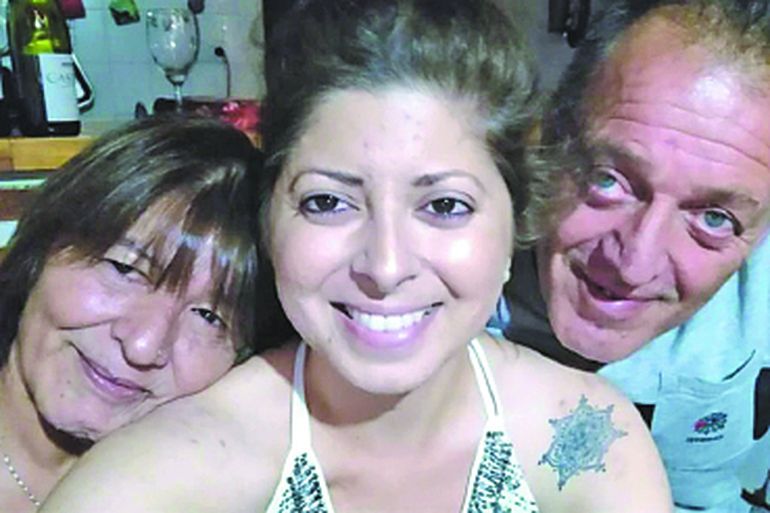
Córdoba, Argentina - The trial began today in Córdoba Province concerning the case of Solange musse, a 35-year-old woman who died of breast cancer in August 2020 after being denied the ability to see her father during the COVID-19 pandemic. The case centers on restrictions imposed by national government norms, initially handled by Federal Justice before being transferred to CórdobaS justice system by a Supreme Court ruling.Prosecutor Julio Rivero will lead the accusation, with approximately 24 witnesses expected to testify. The first day of hearings featured testimony from Pablo, Teresa, and Paola Oviedo – Solange’s father, mother, and aunt, respectively. The trial is expected to conclude on September 11th.Solange’s final wish – to share a last embrace with her father - was thwarted by pandemic-era protocols. She documented her anguish in a letter that has become a powerful symbol of resistance against overly rigid restrictions, now enshrined as a past document displayed in the Nation congress. The letter reads, in part: “What they have done with my father and my aunt is inhuman, humiliating and very painful… Who decides that if we want to see ourselves?”
While this trial focuses on the immediate circumstances surrounding the denial of her final visit, a separate examination is underway in Huinca Renancó to examine potential political responsibilities related to the operation that prevented the reunion.
Despite her tragic passing,Solange’s memory is actively preserved by her family and community. Her ashes were scattered in the Sea of San Antonio Oeste, a place she cherished, and memorials have been established in that city, Neuquén, and Huinca Renancó. The Rotary Club of Córdoba has also declared her an illustrious citizen, and various organizations continue to commemorate her story.
“It is an initial kick for Argentines to lose their fear and make their complaints. Justice takes, but it serves,” stated Pablo Musse, Solange’s father, expressing hope that the case will encourage others to challenge perceived injustices. The trial is anticipated to set a precedent regarding the balance between public health measures and individual rights during times of crisis.
