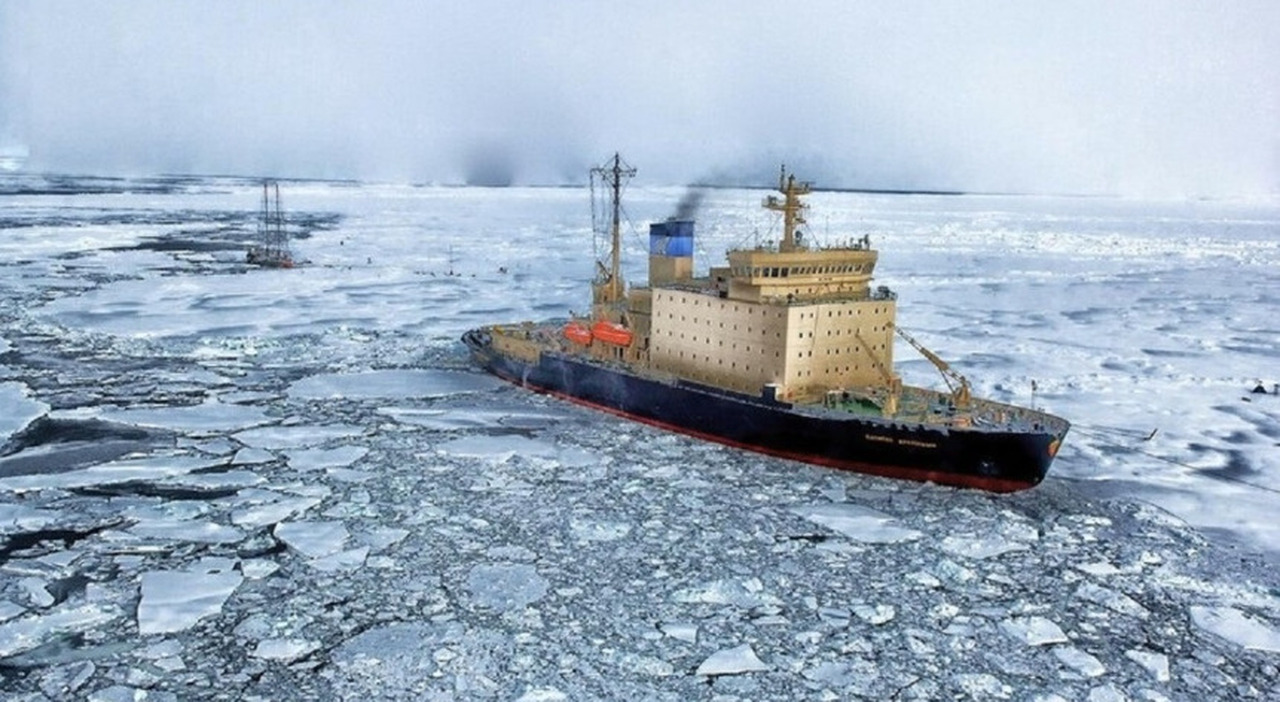
Arctic Russian Threat Pushes NATO’s Only Militarily Unarmed Member Iceland to Consider Rebuilding Defense Forces
As the sole member of the North Atlantic Treaty Organization without an army, navy, or military aviation, Iceland is weighing an emergency national security plan to recruit 44,000 soldiers. According to reports from Il Messaggero and Zazoom.it, the August 2026 proposal directly responds to an intensifying concentration of Russian submarine activity within the Arctic. This shift forces Reykjavik to reconsider its historic posture of demilitarization as geopolitical competition fractures the High North.
The Strategic Realities of the Greenland-Iceland-United Kingdom Gap
For decades, Iceland relied on its strategic location and bilateral defense agreements rather than sovereign armed forces. The nation hosts foreign assets—such as United States anti-submarine warfare aircraft patrolling the seas around Iceland—to monitor maritime chokepoints. This geography places Iceland directly adjacent to the GIUK gap (Greenland-Iceland-United Kingdom), a vital oceanic corridor that Russian submarines must navigate to access deeper Atlantic shipping lanes.
Increased undersea patrols and shifting trade corridors have transformed the region from a quiet scientific zone into a contested military theater. As nations race to secure northern transit routes, maritime regulatory frameworks and sovereign risk profiles are changing rapidly.
Political Divisions and Upcoming Referendums on European Integration
The debate over national defense unfolds alongside broader questions regarding international alignment. According to Zazoom.it, Iceland faces a pivotal public vote on August 29, 2026, concerning the potential reopening of negotiations for European Union membership. Proponents of EU integration argue that deeper institutional ties with Brussels offer an additional layer of geopolitical stability, while domestic critics question whether the island must build independent defensive capabilities.

Kristrún Frostadóttir noted in interviews that while public support for an army in Iceland remains virtually nonexistent, active defense alliances are gaining urgency. The national discussion also encompasses how the Icelandic Coast Guard—historically tasked with fisheries protection—might absorb broader defense management duties.
Economic Pressures and Supply Chain Realignment Across the High North
The militarization of the Arctic is not merely a security dilemma; it fundamentally alters global logistics. With melting ice opening alternative shipping lanes that bypass traditional bottlenecks like the Suez Canal, commercial vessels and container lines are testing northern passages. These operational shifts introduce complex financial and insurance hurdles for multinational exporters operating near northern latitudes.

To manage cross-border capital exposure and protect supply chains from regional disruptions, commercial stakeholders rely on vetted advisory networks.
Ultimately, Iceland’s potential shift toward a structured defense framework highlights the erosion of post-Cold War security assumptions in the Arctic. As great-power competition redraws the strategic map of the North Atlantic, the intersection of sovereign defense and international commerce will demand continuous vigilance from global institutions.