
Severe Cold Disrupts Travel Across Northern Europe, Stranding Thousands
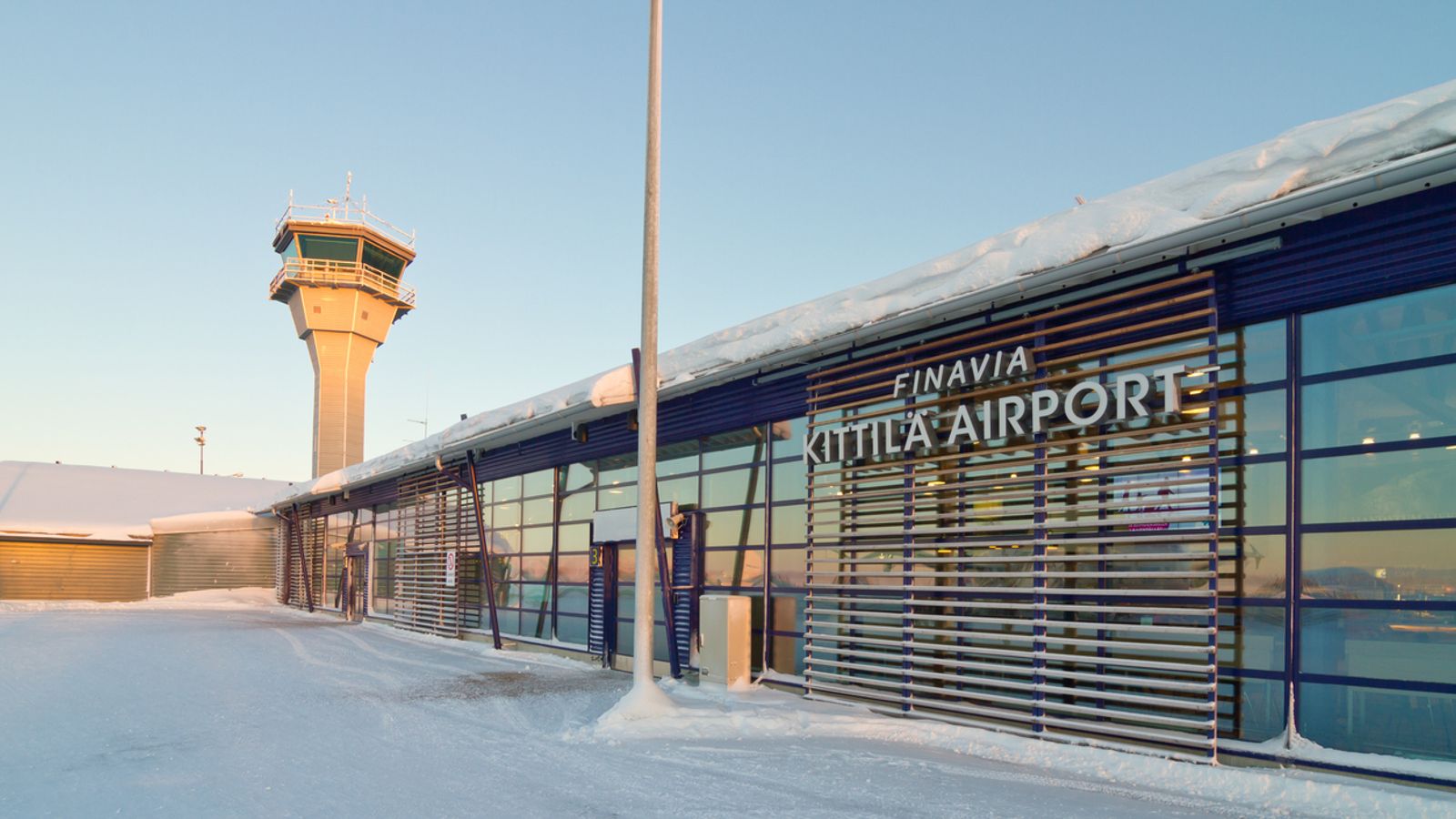
A deep freeze has gripped northern Europe, causing widespread travel chaos and leaving thousands of tourists stranded. Especially hard hit is Finnish Lapland, where temperatures have plummeted to -37°C ( -34.4°F) at Kittilä Airport, leading to flight cancellations and significant disruptions for travelers. The extreme weather extends beyond Finland, impacting Germany, the Baltic states, and other regions with heavy snowfall, icy roads, and hazardous conditions.
The situation in Finland: Kittilä Airport and Stranded travelers
Kittilä Airport, a key gateway to the popular winter tourism destination of Finnish Lapland, has been at the epicenter of the disruption. the exceptionally low temperatures are hindering aircraft de-icing procedures and other essential airport operations. As an inevitable result, numerous flights have been canceled, leaving a considerable number of tourists, including manny from the UK, stranded. While flights to Manchester and London are tentatively scheduled for monday afternoon, forecasts predict temperatures will remain around -28°C (-18.4°F), potentially leading to further delays or cancellations. Finland is accustomed to cold winters, but this year’s conditions are more severe than usual, impacting a wider geographical area.
Widespread Travel Disruption Across Europe
The cold snap isn’t limited to Finland. across northern, central, and eastern Europe, heavy snowfall, strong winds, and treacherous icy roads are creating perilous travel conditions.
Germany: Rail Network Paralysis and School Closures
In germany, the rail network has been severely affected. Deutsche Bahn, the national rail operator, suspended all long-distance services in the north of the country due to heavy snowfall. This has caused significant delays and inconvenience for passengers. Furthermore, authorities in North Rhine-Westphalia, Germany’s most populous state, have announced that all schools will switch to online learning on Monday due to the dangerous icy conditions. This decision prioritizes the safety of students and staff.
Baltic States: Travel Warnings and Snow Alerts
The baltic countries of Estonia, Lithuania, and Latvia are also bracing for severe weather. Drivers in estonia and Lithuania have been advised to postpone all non-essential travel in anticipation of blizzards. Latvia has issued a snow alert for it’s western regions, urging caution and preparedness. Thes measures aim to minimize risks and ensure public safety during the extreme weather event.
Understanding the Science Behind the Cold Snap
While winter is expected in Europe, the current cold snap is particularly noteworthy for its intensity and geographical extent. Several factors contribute to these conditions. A blocking high-pressure system over Scandinavia is preventing milder Atlantic air from reaching the region, allowing frigid Arctic air to plunge southward. This pattern is reinforced by the polar vortex, a large area of low pressure and cold air surrounding both of the Earth’s poles.When the polar vortex weakens, it can send frigid air masses further south than usual, leading to extreme cold outbreaks like the one currently affecting Europe. Climate change is also believed to be playing a role, with some research suggesting that a weakening polar vortex is becoming more frequent due to warming Arctic temperatures. NOAA provides detailed information on the polar vortex.
Staying Safe During Extreme Cold
Extreme cold poses significant risks to health and safety. Here are some essential precautions:
- Dress warmly: Wear multiple layers of clothing, including a hat, gloves, and scarf.
- Limit outdoor exposure: Minimize time spent outdoors, especially during the coldest parts of the day.
- Be aware of hypothermia and frostbite: Recognize the symptoms of these conditions and seek medical attention instantly if they occur.
- Check travel conditions: Before traveling, check weather forecasts and road conditions.
- Prepare your home: Ensure your home is adequately heated and insulated.
Looking Ahead
The current cold snap is expected to persist in the coming days, continuing to disrupt travel and daily life across northern Europe. Travelers are advised to stay informed about flight schedules and road conditions,and to exercise caution when venturing outdoors. Authorities are working to mitigate the impact of the extreme weather, but the situation remains challenging. Monitoring weather updates from reliable sources like national meteorological services will be crucial as the situation evolves.
Read more from Sky News:
Power outage halts flights to Birmingham Airport
russia strike leaves 1,000 Kyiv apartment blocks without heating
