
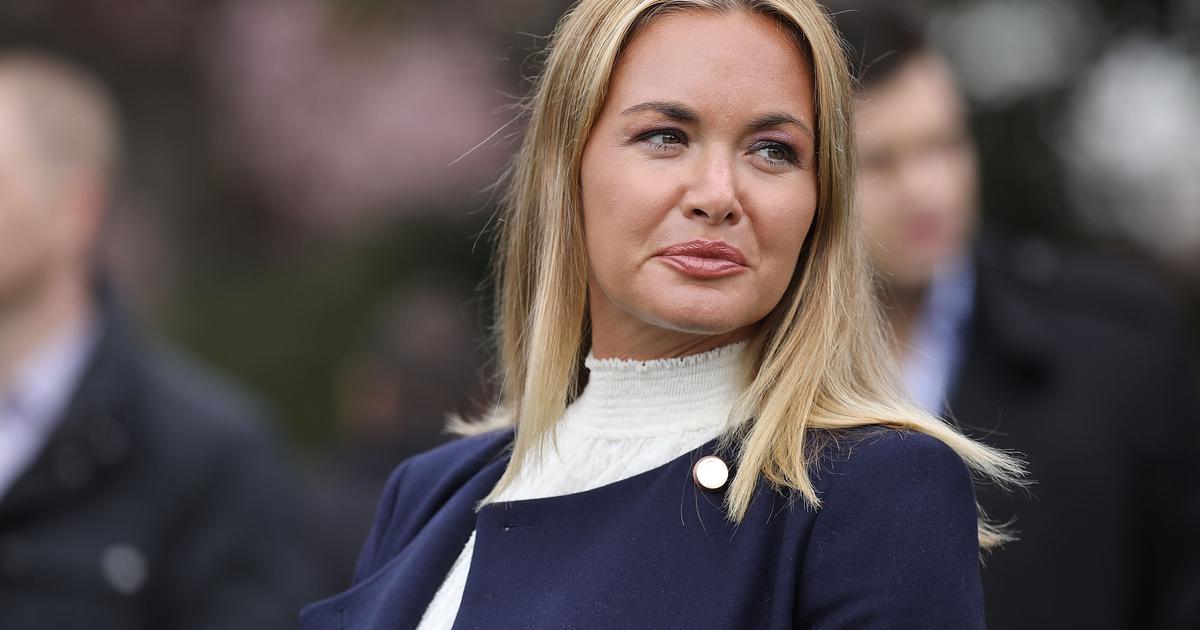
après son arrestation, l’ultimatum de Vanessa Trump à Tiger Woods
Tiger Woods was arrested in Florida on March 27, 2026, following a single-vehicle accident while allegedly under the influence, sparking immediate brand equity concerns for his major sponsors. His partner, Vanessa Trump, has reportedly issued a strict ultimatum regarding his health and conduct, signaling a potential shift in his public narrative from athletic comeback to personal crisis management.
The golf world is accustomed to the unhurried, agonizing grind of a swing adjustment, but the business of Tiger Woods operates on a different, far more volatile timeline. On March 27, 2026, that timeline collapsed. When law enforcement in Florida detained Woods following a traffic incident, describing him as “lethargic” with bloodshot eyes, the narrative didn’t just shift; it fractured. This wasn’t merely a traffic stop; it was a direct assault on one of the most valuable intellectual properties in sports history. While the tabloids focus on the drama of the arrest, the C-suite executives at Nike, TaylorMade, and Rolex are looking at a different metric: brand toxicity.
Vanessa Trump, Woods’ partner since early 2025, finds herself at the epicenter of this reputational earthquake. As the former daughter-in-law of a U.S. President and a figure with her own substantial media footprint, Trump is not a passive observer in this saga. Reports indicate she has delivered a stark ultimatum: regain control or face the end of the relationship. This isn’t just domestic friction; It’s a strategic pivot. In the high-stakes ecosystem of celebrity branding, a partner often serves as an informal reputation manager. Trump’s public dissatisfaction signals to the market that the “Tiger Brand” is currently unstable, a red flag for any entity relying on his image for brand equity or syndication deals.
The Economics of a Fallen Hero
To understand the gravity of this moment, one must seem past the police report and into the contract clauses. Professional athletes, particularly those with Woods’ history of personal scandals, operate under stringent morality clauses. These legal frameworks allow sponsors to terminate agreements immediately upon conduct that brings the brand into disrepute. The 2009 scandal cost Woods an estimated $100 million in endorsements over five years. The 2026 arrest threatens to reopen those wounds just as he was stabilizing his backend gross from appearance fees and course design ventures.
The incident occurred as Woods was attempting a competitive return following a year-long hiatus due to injury. From a SVOD (Subscription Video on Demand) and broadcasting perspective, Woods is a ratings driver. His presence guarantees eyeballs. Though, networks and streaming platforms are increasingly risk-averse. If the legal proceedings drag into the tournament season, broadcasters may be forced to minimize his coverage to avoid alienating advertisers, effectively erasing his market value regardless of his scorecard.
“In the modern media landscape, a DUI arrest is no longer a ‘personal matter.’ It is a contractual breach waiting to be litigated. Brands are looking for stability, and right now, Tiger Woods represents volatility. The immediate need here isn’t a publicist; it’s a forensic audit of his existing endorsement contracts.” — Marcus Thorne, Senior Partner at Thorne & Associates Sports Law
The financial implications extend beyond endorsements. Woods’ venture capital arm and his TGR Foundation rely heavily on his personal narrative of redemption and discipline. A repeat offense undermines the core mission of these entities. When a brand deals with this level of public fallout, standard statements don’t work. The immediate move for any entity associated with Woods is to deploy elite crisis communication firms and reputation managers to stop the bleeding before the 24-hour news cycle solidifies a negative narrative.
Legal Precedent and the Path Forward
Woods’ history is a litany of vehicular incidents: the 2009 fire hydrant crash, the 2017 “sleepy driving” arrest, and the 2021 rollover. Each event required a distinct legal strategy. The 2026 arrest, involving a refusal of a urine test and allegations of substance influence, complicates the defense. Legal teams will likely argue medical necessity or prescription interactions, but the court of public opinion is less forgiving.
For Vanessa Trump, the stakes are equally high. Associating with a figure embroiled in recurring legal troubles can dilute her own intellectual property value. Her ultimatum is a clear boundary setting, likely advised by her own counsel to protect her personal brand from guilt by association. This dynamic turns a private relationship issue into a public relations case study on how high-net-worth individuals manage interpersonal risk.
Resolving this requires more than a press release. It demands a comprehensive legal and PR overhaul. The situation highlights the critical need for specialized entertainment attorneys and contract specialists who understand the intersection of criminal law and commercial sponsorship. These professionals navigate the complex web of morality clauses, ensuring that a personal legal battle does not inadvertently trigger a financial default.
The Industry Reaction
The golf industry itself is watching closely. Tournaments rely on star power to drive ticket sales and hospitality packages. If Woods is suspended or chooses to step back, the ripple effect on the PGA Tour’s viewership metrics could be significant. Event organizers are already scrambling to adjust their marketing strategies, knowing that a distracted or absent Woods changes the calculus of their event security and logistics planning.
- Sponsorship Risk: Major brands may pause activation campaigns scheduled for the upcoming season.
- Media Rights: Broadcasters may reduce guaranteed appearance fees in future negotiations.
- Reputation Capital: The “Redemption Arc” narrative, crucial for Woods’ post-playing career, faces a severe setback.
the story of Tiger Woods in 2026 is no longer about birdies or eagles. It is about survival in a media environment that demands perfection. The ultimatum from Vanessa Trump is the canary in the coal mine; it suggests that even those closest to him see the precipice. For the businesses and individuals navigating similar turbulent waters, the lesson is clear: reputation is fragile, and the infrastructure to protect it must be robust. Whether it is securing top-tier luxury hospitality sectors for damage control retreats or engaging legal counsel to dissect contract vulnerabilities, the directory of available solutions is vast, but the window to act is narrow.
Disclaimer: The views and cultural analyses presented in this article are for informational and entertainment purposes only. Information regarding legal disputes or financial data is based on available public records.