
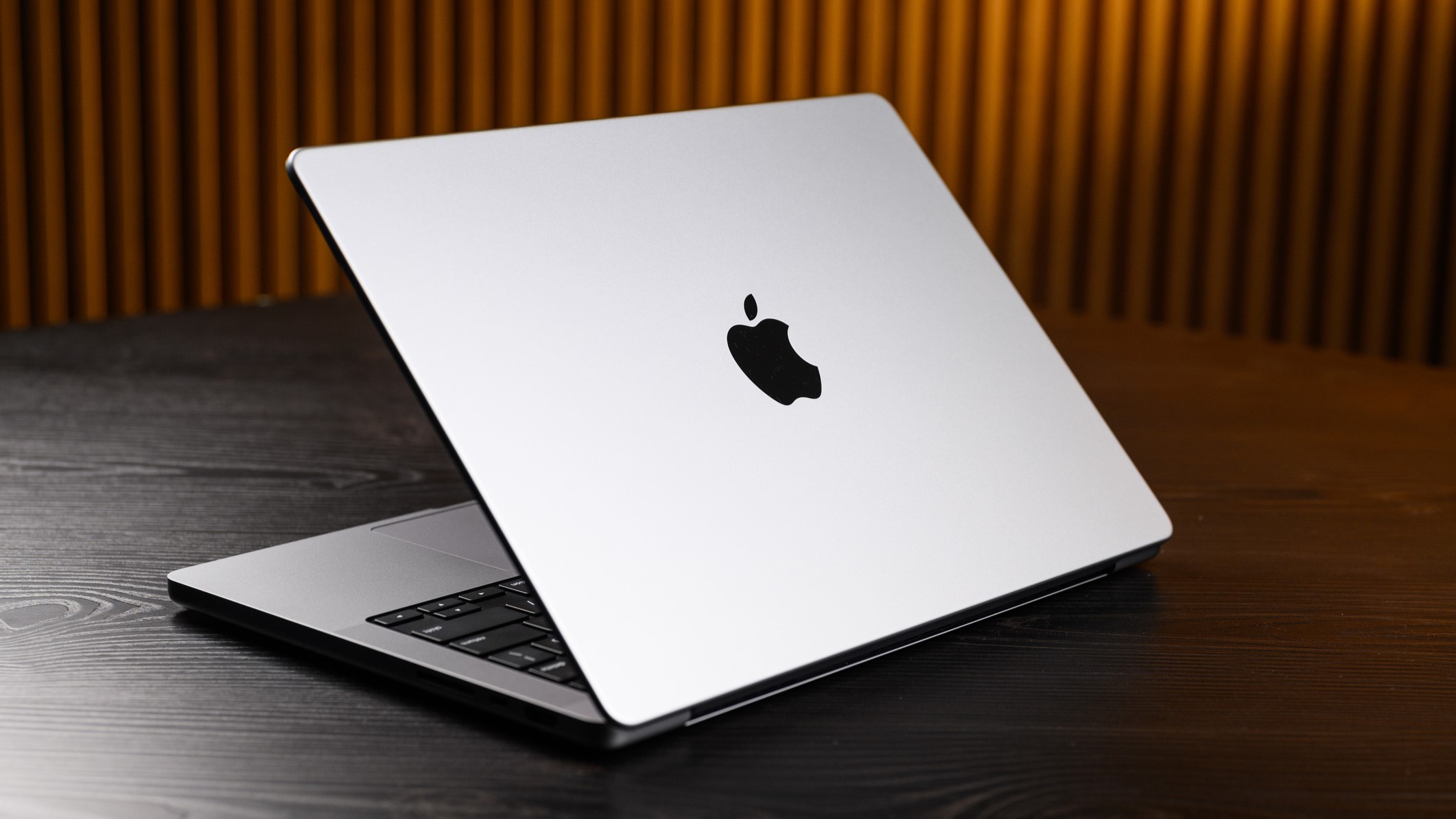
Apple May Launch Budget MacBook with A-Series Chip, Challenging Chromebook Dominance
NEW YORK, NY – Apple is reportedly considering a significant shift in its MacBook strategy, potentially releasing a lower-cost model powered by an A-series chip – the same technology found in iPhones and iPads – rather than the expected M5 processor. This move, first reported by analyst Ming-Chi Kuo, could position Apple to aggressively compete in the education market currently dominated by Chromebooks.
While details remain limited, Kuo projects this new MacBook could arrive as early as 2026, with anticipated sales reaching 5-7 million units. Currently, Apple’s MacBooks are known for their premium price point and powerful M-series silicon.A more affordable option, even with a less powerful chip, could dramatically expand Apple’s reach, especially among students.
Chromebooks have gained significant traction in schools due to their low cost and simplicity. However, an Apple alternative, even one utilizing an A-series chip, could offer a more versatile computing experience. This would include access to a wider range of applications beyond web apps, integration with Apple Intelligence, and the extensive software library available through the App Store.
Beyond immediate sales, Apple stands to benefit from introducing its operating system to a younger generation. Establishing familiarity with macOS in K-12 classrooms could challenge Windows’ long-held position as the standard operating system for computing. This strategy mirrors Microsoft’s success in the 1990s with Windows 95, which cultivated a generation of users accustomed to its platform.
Google has successfully used ChromeOS to proliferate its Workspace suite, encouraging users to adopt its free alternatives to traditional office software. Apple’s potential move aims to achieve a similar long-term effect, fostering brand loyalty and potentially redefining the “default” computing experience for future generations.
