
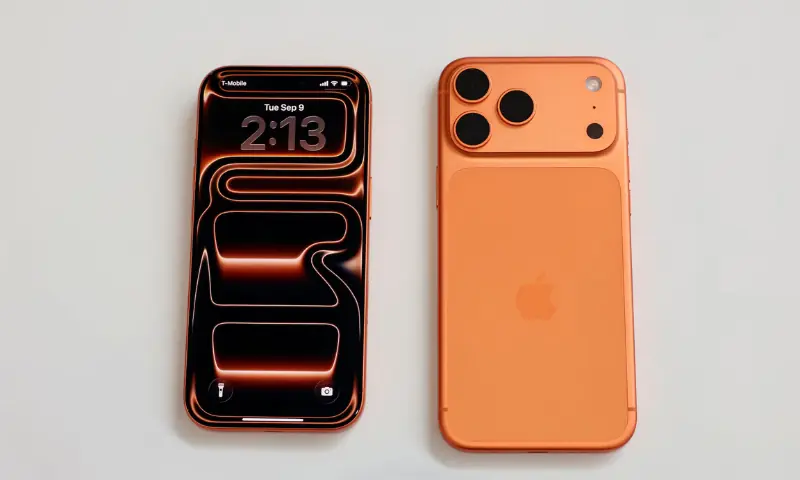
Apple Launches ultra-Thin iPhone 17 Air, Navigates AI Challenges and Tariff costs
Cupertino, California – September 9, 2025 – Apple today unveiled its new iPhone 17 Air, a strikingly thin device positioned as a premium offering focused on design rather than screen size. The launch comes as the tech giant faces pressure to bolster its artificial intelligence capabilities and absorb rising costs from ongoing tariffs.
The iPhone 17 Air, measuring less than a quarter inch thick, is powered by Apple’s new A19 Pro processor – its most powerful iPhone chip to date – and boasts all-day battery life with up to 40 hours of video playback. it joins Apple’s existing lineup, including the premium iPhone 17 Pro, the company’s most expensive and highest-performing model.
While all new devices incorporate generative AI technology, Apple refrained from announcing significant expansions to its AI capabilities beyond updates to existing features within its “Apple Intelligence” suite. The company’s AI push has faced challenges as its launch late last year, with users expressing disappointment with improvements to Siri, which remains “surprisingly basic” despite years of growth.
apple reportedly plans to integrate AI into online search next year and overhaul Siri, though thes plans have not been officially confirmed. The company is also rumored to be partnering with Google to leverage its search and AI expertise.
“to truly differentiate and smoke the competition, Apple will have to crack AI as a new contextual user-interface” on its devices, Forrester analyst Thomas Husson noted.”Executing such an ambitious AI strategy will take time. It won’t happen at best until next year, if not for the iPhone’s 20th anniversary” in 2027, he added.
Industry analysts view the iPhone Air as a strategic shift, with Apple emphasizing ultra-thin design as a key premium feature. The slim profile could also facilitate the development of a long-rumored foldable iPhone,possibly arriving as early as next year,putting Apple in competition with Samsung and Huawei,who already offer foldable smartphones. Engineering such thin devices presents challenges, including higher production costs and reduced battery space, though Apple claims 24-hour battery life for the iPhone 17 Air.
despite tariffs increasing production costs, Apple maintained iPhone prices at the same levels as last year’s models, potentially impacting profit margins. CEO Tim Cook revealed in July that Trump’s tariffs cost Apple $800 million last quarter, with an estimated $1.1 billion impact expected this quarter. Apple shares fell 1.40% following the pricing announcement, reflecting investor concerns about maintaining profitability.
Alongside the iPhone 17 Air, Apple also introduced the AirPods Pro 3, featuring enhanced noise cancellation and real-time translation capabilities, and the Apple Watch Series 11, which includes 5G connectivity, extended battery life, and heart health monitoring features pending regulatory approval.
