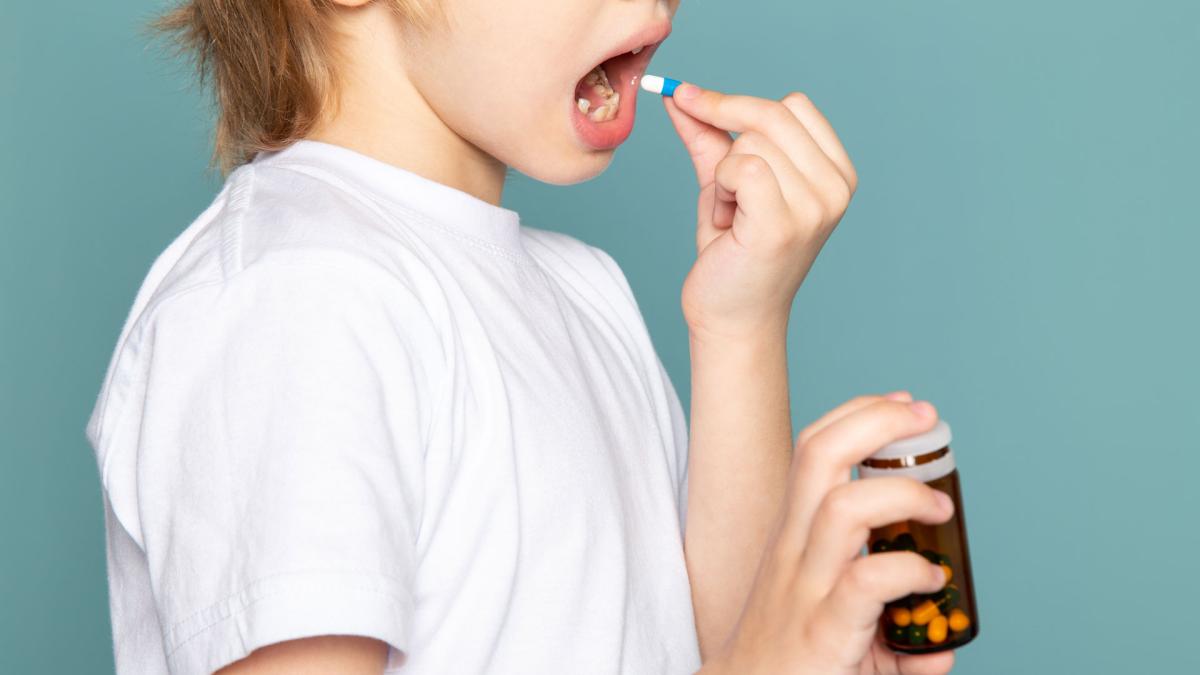
Antibiotics in Children: Benefits, Risks & Impact on Health
The widespread use of antibiotics in children, both in hospitals and at home, has dramatically reduced childhood mortality in recent decades, alongside vaccines, improved nutrition, and hygiene. However, experts are increasingly focused on the unintended consequences of these life-saving drugs, extending beyond the well-known issue of antibiotic resistance.
Alexander Fleming’s 1928 discovery of penicillin revolutionized medicine, but even in its early days, the potential for bacteria to develop resistance was recognized. Today, overuse and misuse – in human and veterinary medicine, as well as through self-medication and pressure on healthcare providers – have fueled the expansion of resistant bacteria, turning previously easily treated infections into complex challenges. According to a report published by Cureus in July 2024, Fleming’s work remains one of the most significant breakthroughs in medical history.
Recent advances in understanding the human microbiota – the collection of microorganisms inhabiting our bodies, particularly the gut – have revealed another layer of concern. This microbial community plays a crucial role in digestion, immune regulation, and neuroendocrine signaling. Antibiotics, while targeting harmful bacteria, similarly disrupt these beneficial microbial communities and the natural balance within them.
This disruption is particularly concerning in infancy, a critical period for normal bacterial colonization. The younger the child, the greater the potential impact of antibiotics on the microbiota. The prescription of antibiotics in neonatology and pediatrics requires careful consideration. The goal isn’t to deny necessary treatment, but to use antibiotics only when indicated, with the most appropriate drug, and for the shortest effective duration.
Emerging evidence suggests the effects of antibiotics may extend beyond the acute infectious episode. A study published in Nature Communications observed that neonatal exposure to antibiotics was associated with persistent alterations in gut microbiota and unfavorable growth patterns – slower weight and height gain – during the first six years of life in some children. This finding highlights the potential for early intervention on the gut microbial community to have long-lasting consequences.
Other research has linked early antibiotic exposure to an increased risk of overweight or obesity. One study found an association between antibiotic use in the first year of life, changes in the microbiota, and a higher risk of excess weight. While not all studies demonstrate the same magnitude of effect, the hypothesis that early antibiotic use can influence childhood metabolism is gaining traction in research.
Associations with immunological and inflammatory diseases are also emerging. A systematic review concluded that antibiotic use in the first two years of life was associated with a higher risk of chronic gastrointestinal disorders, particularly inflammatory bowel disease and celiac disease. A separate population-based study found a link between early antibiotic exposure and certain trajectories of persistent childhood asthma. However, researchers caution that it’s often difficult to disentangle the effects of the antibiotic from the infection that prompted its use.
Antibiotic-associated diarrhea is a well-known adverse effect, with severe cases potentially leading to Clostridioides difficile infection, a bacterium capable of causing severe colitis and significant complications in vulnerable patients. This remains a leading infectious complication associated with prior antibiotic use in children. Antibiotics can also cause more “classic” drug side effects, including rashes, anemia, liver or kidney problems, and, in some cases, severe allergic reactions. A study of hospitalized children found that more than one in five antibiotic treatments was associated with at least one of these adverse events.
The potential impact on neurodevelopment is a growing area of interest, though also a delicate one. Studies are beginning to link very early antibiotic exposure with later emotional or behavioral symptoms. However, the evidence remains heterogeneous and does not yet allow for firm conclusions about specific disorders.
Marta Taida García Ascaso, Head of the Pediatric Infectious Diseases Section at the Niño Jesús University Children’s Hospital, emphasizes the need for responsibility and balance. “Antibiotics continue to save lives, and no child with a significant bacterial infection should be left untreated for fear of side effects,” she states. “But precisely because they are valuable drugs, they must be used properly: only when indicated, with the appropriate molecule, the correct dose, and the minimum effective duration.”
Worth a look
- Does Telenursing Improve Quality of Life in Breast Cancer Patients?
- Cychlorphine: The New Belgian Drug 10 Times More Powerful Than Fentanyl
- The Impact of Skin Conditions on Social, Emotional, and Work Life (newsdirectory3.com)
- The Kardashians Season 8 Premiere Date Set Amid Kim’s Health Scare (time.news)