
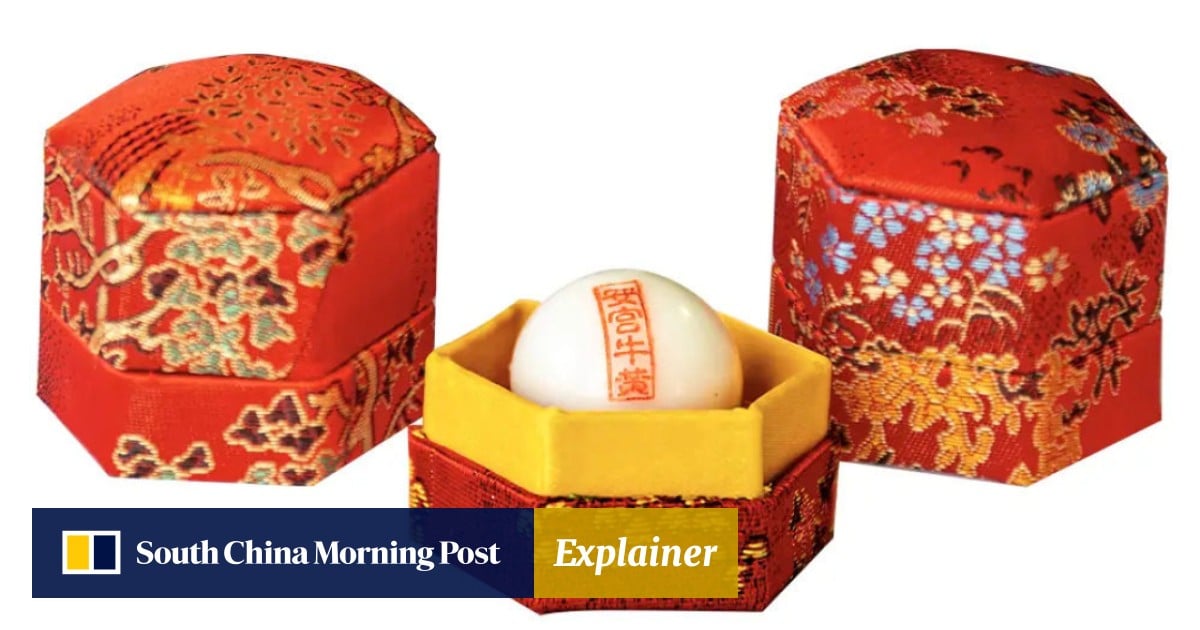
Stroke remains a leading global health crisis, with 11.9 million recent cases reported annually, and in many East Asian households, a specific traditional Chinese medicine (TCM) remedy – Angong Niuhuang Wan, known as the “miracle pill” – is kept on hand in anticipation of or response to the condition. The remedy, a complex formulation of 11 herbs and minerals, has a long history as a top-grade emergency medicine for stroke, and similar preparations are used in neighboring South Korea.
According to the World Stroke Organization’s 2025 Global Stroke Fact Sheet, 93.8 million people are currently living with the long-term effects of stroke. In Hong Kong alone, the Hong Kong Stroke Fund estimates approximately 25,000 new stroke cases occur each year, resulting in around 3,500 stroke-related deaths annually.
Angong Niuhuang Wan’s enduring popularity stems from its historical use in treating stroke and perceived preventative qualities. However, the pill’s composition includes ingredients that are becoming increasingly rare, driving up its cost and leading to concerns about authenticity. China Daily reported recently that China is revisiting import regulations for bezoar, a key component of the pill, due to growing supply deficiencies.
The South China Morning Post notes that the formula is considered a top-grade emergency medicine. However, the pill is not without its limitations and should not be universally administered. Details regarding specific contraindications are not widely available, highlighting a challenge in the broader adoption of TCM practices.
Demand for Angong Niuhuang Wan has outstripped supply, leading to a market flooded with counterfeits. Tatler Asia reports that genuine pills are increasingly tricky to find, further complicating access to this traditional remedy. The scarcity also contributes to the high price tag associated with authentic Angong Niuhuang Wan.
Researchers are also investigating the potential mechanisms behind TCM interventions for stroke-related conditions. A review published by Frontiers examined clinical evidence and mechanistic insights into selected traditional Chinese medicine interventions for post-stroke cerebral edema, suggesting a growing interest in scientifically validating these traditional practices.
