
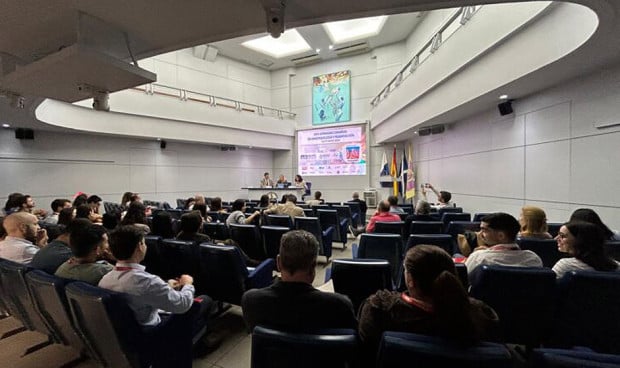
Advancements in Anesthesiology Highlight Complete Patient Care
SANTA CRUZ DE TENERIFE – October 26, 2023 – The recent XXIV Canary Days of Anesthesiology brought together over 120 specialists to discuss vital progress in patient care. The primary focus concerned the evolving responsibilities of anesthesiologists. Experts from across the Canary Islands shared insights on advanced techniques, underscoring the critical role of anesthesiology in modern medicine and its impact on patient outcomes, suggesting that the future of the field hinges on continuous learning and multidisciplinary efforts.
Advancements in Anesthesiology: Canary Islands Conference Highlights Complete Patient Care
Published: October 26, 2023
Over 120 specialists convened at the XXIV Canary days of Anesthesiology, Resuscitation and Pain Therapy to discuss critical advancements in patient care, especially concerning the aging surgical patient and the evolving role of anesthesiologists.
A Shifting landscape in Anesthesiology
The XXIV Canary Days of Anesthesiology, Resuscitation and Pain Therapy recently concluded at the Official College of Medical of Santa Cruz de Tenerife, bringing together more than 120 specialists from across the Canary Islands. Organized by the canarian society of Anesthesiology, Resuscitation and Pain Therapy (Socartd), in collaboration with the Spanish Society of Anesthesiology, Resuscitation and Pain Therapeutics (Sedar) and the College of Physicians, the event underscored the expanding role of anesthesiology in modern medicine.
Did You Know?
Anesthesiology’s roots trace back to the mid-19th century, with the first public presentation of ether anesthesia in 1846. Since then, it has evolved from simply inducing unconsciousness to a comprehensive field encompassing pain management, critical care, and perioperative medicine.
The opening ceremony featured prominent figures including Antonia María Pérez, general director of Assistance Programs of the Canary Islands Government; Rodrigo Martín Hernández, president of the College; and Elena Espinosa, president of Socartd.
Key Discussions and Clinical Updates
The conference facilitated a dynamic exchange of knowledge through conferences, workshops, and debate tables.A central theme emerged: the evolving responsibilities of anesthesiologists beyond the operating room.
Anesthesiology and resuscitation has involved many more considerations than keeping the patient asleep
Institution Spokesperson
This statement emphasizes the critical need for continuous training, technical innovation, and comprehensive care tailored to the surgical patient.
Addressing the Aging Surgical Patient
A significant portion of the discussions centered on the unique challenges presented by an aging population undergoing surgery. Medical advancements have expanded the possibilities for older patients, but they also necessitate a more rigorous approach to anesthesia.
Medical advances have allowed us to intervene patients of increasingly advanced ages, even above 75 years, which has increased the need to rigorously evaluate the effects of anesthesia. Anesthesia has not been harmless, even in interventions that might seem lower.
Conference Experts
Cognitive impairment and loss of muscle mass in elderly patients were identified as key areas requiring special attention. Anesthesiologists stressed the importance of thorough pre-operative evaluations and comprehensive post-operative follow-up.
Pro Tip: Prehabilitation
Prehabilitation, which includes optimizing a patient’s physical and mental health before surgery, can significantly improve outcomes, especially for older adults. This may involve exercise, nutritional support, and cognitive training.
The focus on brain health in the preoperative has been consolidated as a priority axis, especially in a context of population aging.
This proactive approach aims to mitigate potential cognitive decline and ensure the best possible outcomes for elderly surgical patients.
Multidisciplinary Collaboration and continuous Training
The conference also served as a platform for sharing clinical updates and fostering collaboration among professionals. Participants exchanged knowledge and best practices related to new techniques and technologies in modern anesthesia.
Continuous medical training was highlighted as an essential component of ensuring quality care and patient safety. The presence of Javier García fernández, president of Sedar, underscored the national significance of the event and the Canary Islands’ contribution to the scientific and clinical discourse within the specialty.
The Future of Anesthesiology
The XXIV Conference reinforced the idea that anesthesiology extends far beyond the operating room. It encompasses a holistic approach to patient care, from pre-operative readiness to complete recovery, with a growing emphasis on preserving cognitive function.
the conference highlighted the following key takeaways:
- The evolving role of anesthesiologists in comprehensive patient care.
- The importance of addressing the unique needs of aging surgical patients.
- The necessity of continuous training and multidisciplinary collaboration.
- The increasing focus on preserving cognitive health in the perioperative period.
frequently Asked Questions (FAQ)
Reader Question
What questions should I ask my anesthesiologist before surgery?
Consider asking about the type of anesthesia, potential risks and side effects, pain management strategies, and any pre-operative instructions you need to follow.
