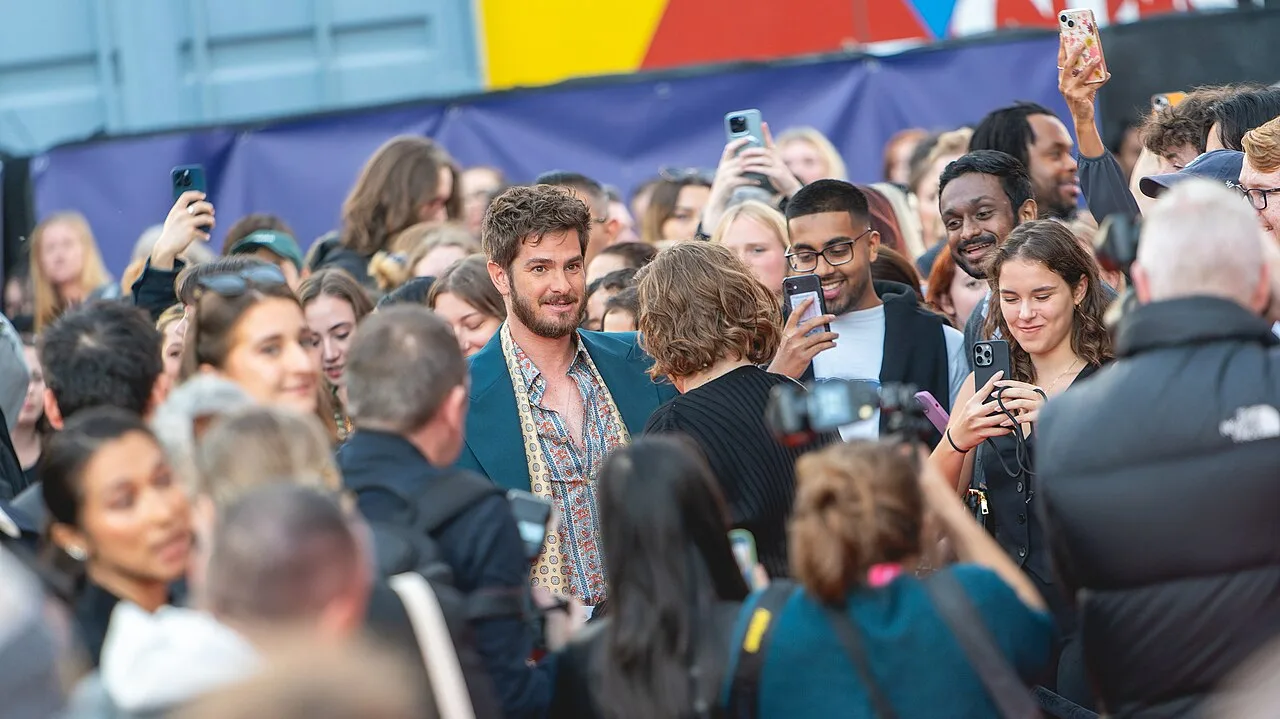
Andrew Garfield: From Spider-Man to The Magic Faraway Tree
Andrew Garfield stars as Tim Thompson in The Magic Faraway Tree, a family fantasy film opening in U.S. theaters on August 21.
A Strategic Shift Away from Heavy Dramatic Roles
For an actor who has spent years anchoring his filmography in moral conflict, historical gravity, and emotional torment, The Magic Faraway Tree represents a calculated departure. According to an interview with the Associated Press, Garfield was drawn to the film’s focus on imagination, nature, and communal wonder. The project, which follows a family relocating to the countryside to discover a mystical tree, allows the actor to explore tenderness and comedy rather than the weight of characters like those in Hacksaw Ridge or Silence.
This transition is not an abandonment of his craft, but a tactical recalibration. By alternating between high-stakes prestige dramas and accessible family fare, performers can avoid the stagnation that often follows franchise-heavy careers. As Garfield noted in comments provided to The Hollywood Reporter, he believes society is currently “craving some kind of reconnection to ourselves” and to nature, themes he found central to the adaptation of Enid Blyton’s 1940s novels.
Reinventing Classic Literature for Modern Audiences
The film, directed by Ben Gregor, updates the source material to address contemporary anxieties. Screenwriter Simon Farnaby has reimagined the narrative to center on the experience of modern children, including a subplot where Garfield’s character, Tim, and his partner, Polly (played by Claire Foy), navigate the complexities of city life and career instability. Director Ben Gregor told The Hollywood Reporter that the production prioritized tangible, “old school” filmmaking, utilizing edible sets to foster genuine reactions from the younger cast members.
This creative pivot highlights a broader industry trend where established stars utilize their platform to modernize intellectual property.
The Post-Franchise Career Trajectory
Garfield’s path remains a primary case study in how to leverage franchise fame without being consumed by it. After his tenure as Peter Parker in The Amazing Spider-Man, he consciously avoided repeating the archetype. Instead, he pursued a diverse array of projects, including the musical Tick, Tick… His return to the Spider-Man universe in No Way Home was widely perceived as a celebratory reunion rather than a return to a fixed identity, a distinction that solidified his reputation as an actor capable of maintaining artistic autonomy.

Industry analysts often look to such career paths to understand the longevity of modern stars. While blockbusters offer visibility, the ability to pivot to smaller, character-driven, or family-oriented films provides the necessary variety to stay relevant.
Family Dynamics and the Search for Escapism
The film’s focus on family reconnection serves as a cornerstone of its appeal. Claire Foy, who reunites with Garfield nearly a decade after their work on Breathe, characterized the experience as a “completely different approach” to their previous collaborations. This sense of playfulness is central to the film’s tone, which aims to provide a “big hug” for audiences, according to director Ben Gregor.
Garfield’s choice to embrace this project at 43 suggests he is prioritizing work that keeps him curious. Whether through stage, screen, or family-oriented fantasy, his career trajectory confirms that the most sustainable paths in entertainment are those marked by constant, unpredictable evolution. The shift to a “lighter” role is not a retreat, but a clear signal that the next chapter of his career will be defined by variety rather than the pursuit of a singular image.