
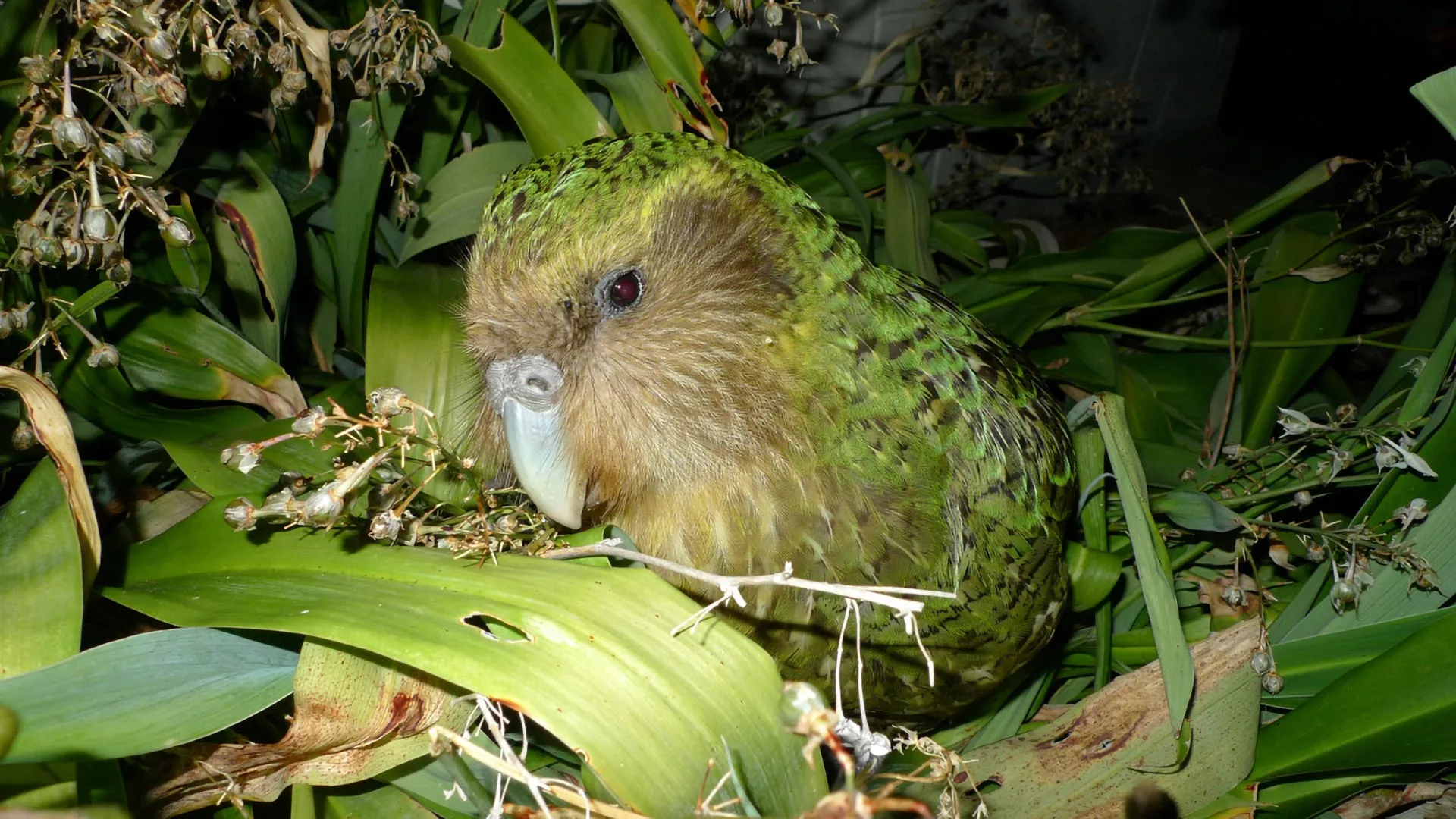
Kākāpō Parasite Loss Soars
Ancient DNA Reveals Dramatic Disappearance of Bird’s Micro-Partners
A groundbreaking study reveals a stunning decline in the parasite populations that once coexisted with the iconic kākāpō. Researchers have found that over 80% of parasites found in the endangered parrot’s droppings before the 1990s are now extinct.
Ancient Clues to Modern Declines
Utilizing ancient DNA and microscopic analysis of faeces dating back over 1500 years, scientists identified a significant reduction in parasite diversity. Nine out of sixteen original parasite species had vanished by the early 1990s, with four more disappearing since intensive management of the kākāpō population began.
Researchers have used ancient DNA to track parasite communities in kākāpō poop over 1500 years, finding that more than 80% of parasite species detected in ancient droppings are no longer present in contemporary populations. https://t.co/KxXn2Y3f0B pic.twitter.com/L9z8cI8d3s
— Manaaki Whenua – Landcare Research (@LandcareNZ) June 27, 2023
The Ecological Role of Parasites
Dr Jamie Wood from the University of Adelaide, a contributor to the study published in *Current Biology*, highlighted the often-underappreciated ecological role of parasites. “Parasites are among the planet’s most ubiquitous, successful, and species-rich groups of organisms,” he stated.
“They may help with immune system development and compete to exclude foreign parasites that may be more harmful to their hosts.”
—Dr Jamie Wood, University of Adelaide
However, Dr Wood also pointed out the vulnerability of these dependent species. “The dependence of parasites on living hosts may make them susceptible to extinction, especially as many parasites live with just one host species.”
Understanding Coextinction
The phenomenon where parasites disappear alongside their hosts is known as coextinction, often occurring at a more rapid pace. Predictive models suggest that parasites can vanish before their hosts as transmission opportunities dwindle.
This research indicates that faunal declines can have lasting effects on parasite communities, even if host populations eventually rebound. Crucially, such dependent species are rarely documented before extinction, leaving a significant gap in our understanding.
A Widespread Phenomenon?
Lead author Alexander Boast of Manaaki Whenua-Landcare Research expressed surprise at the extent of parasite loss in kākāpō. “The level of parasite loss in kākāpō was greater than we had expected, and very few parasite species were found in both ancient and modern kākāpō populations,” he noted.
“Thus, it seems that endangered species everywhere may possess fractions of their original parasite communities,” Boast added, suggesting this could be a widespread issue for threatened species globally.
A Call for Parasite Conservation
As the world grapples with biodiversity loss, Dr Wood stresses the importance of considering parasitic life. “Global rates of climate change, ecosystem modification, and biodiversity decline continue to rise, which means there is an increasingly urgent need to recognize and understand the downstream impacts on dependent species,” he urged.
The study calls for the documentation of parasite extinctions and the estimation of currently threatened parasites as crucial steps towards a global parasite conservation plan. Such efforts are vital for informed predictions about past, present, and future species losses.
In a related conservation success, captive breeding programs for the black-footed ferret have seen the species rebound from critically low numbers, a reminder of dedicated efforts to save endangered wildlife (U.S. Fish and Wildlife Service, 2023).
