
Amnesty International Opposes Death Penalty Sought for Former South Korean President Yoon Suk Yeol
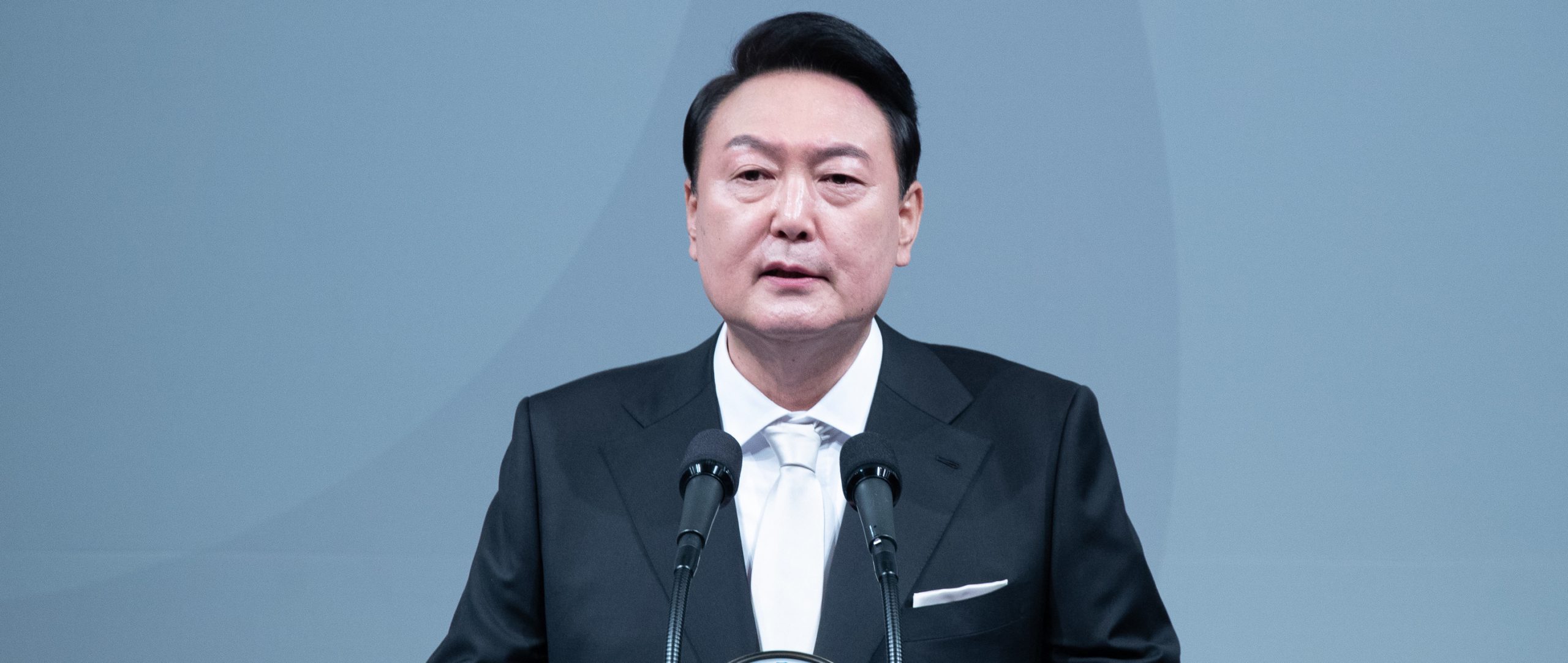
Seoul, South Korea – Amnesty International has strongly condemned the pursuit of the death penalty for former South Korean President Yoon Suk Yeol, who faces prosecution for imposing martial law in December 2024. Prosecutors are seeking the maximum punishment following widespread protests and a subsequent impeachment and removal from office by the Constitutional Court.
Chiara Sangiorgio, Amnesty International’s representative, stated, “No one is above the law, including a former president, but seeking the death penalty is a step backward. The death penalty is an inherently cruel, inhuman and irreversible punishment that has no place in a justice system that claims to respect human rights.”
the case centers around Yoon’s controversial decision to declare martial law in December 2024, a move that triggered meaningful public unrest and a political crisis. Lawmakers responded swiftly, forcibly entering the National Assembly to vote to lift the order within hours of it’s implementation. This dramatic sequence of events ultimately led to yoon’s impeachment and removal from office by the Constitutional Court. https://www.reuters.com/world/asia-pacific/south-korea-ex-president-yoon-faces-death-penalty-over-martial-law-2024-12-28/
Amnesty International’s opposition to the death penalty is absolute and unwavering, extending to all circumstances. Sangiorgio emphasized this point, stating, “Yoon’s imposition of martial law in December 2024 placed fundamental human rights at risk and has prompted prosecutors to seek his execution. While accountability is essential, pursuing the death penalty undermines the very principles of rights and human dignity that the rule of law is meant to protect.”
South Korea’s Position on Capital Punishment
South Korea maintains the death penalty in its legal code, although executions have been suspended since 1997.Despite this de facto moratorium, the country continues to hand down death sentences, primarily for aggravated murder. As of late 2023, approximately 60 individuals were on death row in South Korea. https://deathpenaltyinfo.org/state-and-federal-information/international/south-korea
the ongoing debate surrounding capital punishment in South Korea reflects a complex interplay of public opinion, legal considerations, and international human rights standards. While some segments of the population support the death penalty as a deterrent and a just punishment for heinous crimes, others advocate for its abolition, citing concerns about the risk of executing innocent individuals and the inherent inhumanity of the practice.
International Covenant on Civil and Political Rights and Abolition Efforts
Amnesty International is urging South Korea to align its legal system with international human rights norms, specifically the International Covenant on Civil and Political Rights (ICCPR).As a state party to the ICCPR, South Korea is obligated to work towards the eventual abolition of the death penalty.
The ICCPR, adopted in 1966, recognizes the inherent dignity of all human beings and affirms the right to life. While it dose not explicitly prohibit the death penalty, it restricts its application to the “most serious crimes” and requires fair trial guarantees. A growing number of countries worldwide have abolished the death penalty in law or practice, recognizing it as a violation of fundamental human rights. https://www.ohchr.org/en/instruments/iccpr
“As a state party to the International Covenant on civil and Political Rights, South Korea should move toward abolition of the death penalty,” Sangiorgio asserted. Amnesty International believes that abolishing the death penalty would not only uphold human rights principles but also strengthen the rule of law and promote a more just and equitable society.
The Context of the Martial law Declaration
The imposition of martial law by former President Yoon in December 2024 occurred amidst a period of heightened political tension and social unrest. While the specific reasons cited for the declaration remain contested, critics allege that Yoon sought to suppress dissent and consolidate power.The swift response from lawmakers and the ensuing public outcry demonstrated a strong commitment to democratic principles and the protection of civil liberties.
The events surrounding the martial law declaration underscore the importance of safeguarding fundamental freedoms, including freedom of expression, assembly, and association.Amnesty International continues to monitor the situation in South Korea closely, advocating for the protection of human rights and the pursuit of justice for all.
The pursuit of the death penalty in this case sets a dangerous precedent and risks further eroding public trust in the justice system. Amnesty International remains steadfast in its call for South Korea to join the global movement towards abolition and embrace a more humane and just approach to criminal justice.
