
Theatre Under Pressure: Arts Funding Cuts Ignite Resistance and innovation
Table of Contents
- Theatre Under Pressure: Arts Funding Cuts Ignite Resistance and innovation
- A Play of Resistance, A Moment of Crisis
- National Impact and a Shift in Focus
- International Inspiration and Collaborative Models
- The Path Forward: Collaboration and Collective Action
- Looking Ahead: The Future of Arts Funding and Community Engagement
- Frequently Asked Questions About Arts Funding and Theatre
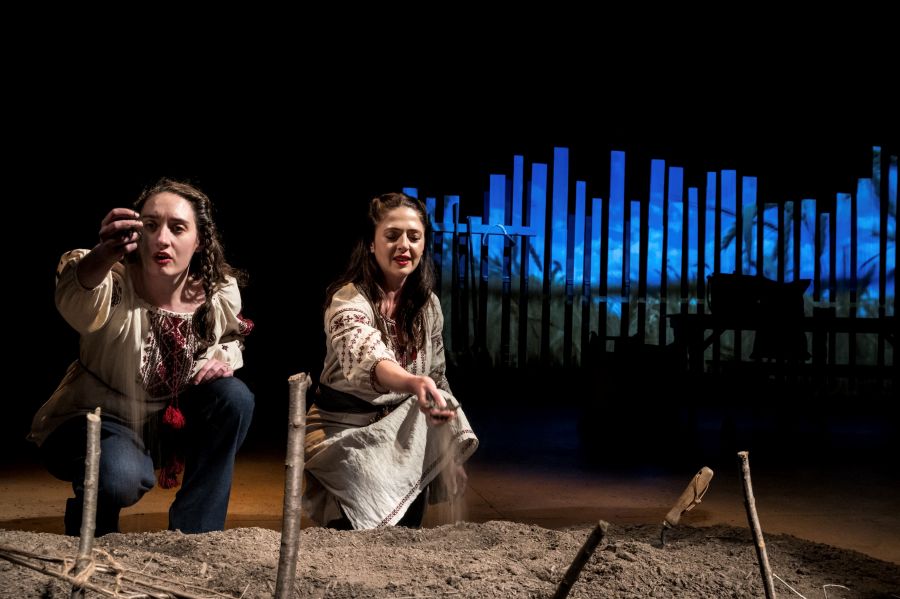
minneapolis, MN - A wave of uncertainty swept through the American theatre community in early May when hundreds of organizations learned of rescinded grants from the National Endowment for the Arts (NEA). This funding disruption occurred during the opening night of Theatre Novi Most’s production of Sickle at Mixed Blood Theatre, a play powerfully depicting Ukrainian resistance during the 1930s Holodomor famine and genocide.
A Play of Resistance, A Moment of Crisis
sickle, penned by Abbey Fenbert, interweaves harrowing scenes with traditional Ukrainian melodies, portraying the strength of those fighting for survival under occupation. The production, directed by Lisa Channer and Vladimir Rovinsky, features an all-female cast and serves as a moving tribute to resilience.
Did You Know? The Holodomor, meaning “to kill by starvation,” resulted in the deaths of millions of Ukrainians between 1932 and 1933.
The timing of the NEA grant cancellations-announced during the curtain call of Sickle-was especially poignant. Channer addressed the audience, revealing that Novi Most, along with numerous other arts groups, had received notification of the funding cuts. in a spontaneous act of solidarity, the cast and audience united in a Ukrainian song of resistance, their voices and rhythmic clapping filling the theatre.
National Impact and a Shift in Focus
The NEA grant terminations represent a broader trend of challenges facing the arts sector. Executive actions targeting education, immigration, and the nonprofit sector, coupled with attacks on diversity, equity, and inclusion (DEI) initiatives, are creating a precarious environment for cultural organizations. These actions threaten the core values of civic duty and community support that underpin a thriving arts ecosystem.
Despite these obstacles, the theatre community is responding with creativity and determination. American Theatre magazine’s summer issue highlights the work of immigrant and international theatremakers, reaffirming a commitment to inclusion and open exchange. This focus reflects a growing recognition of the power of cultural resistance and the importance of diverse voices in shaping a ”just and thriving theatre ecology.”
International Inspiration and Collaborative Models
brazilian theatre collectives offer valuable lessons in resilience and community engagement. Rad Pereira, a cultural worker, highlights the work of ensembles at mungunzá container theater in São Paulo, which prioritize “unsettling dominant practices” and fostering “cooperative ways of making.” These performances,like Sickle,center on storytelling and survival in the face of colonial legacies.
Pro Tip: Explore ensemble theatre techniques to build stronger community connections and foster collaborative creativity.
Out of Hand Theater in Atlanta provides another compelling example of innovative community engagement. Their “Shows in Homes” series brings performances into private residences, bridging divides and sparking dialogue across differences. By partnering with non-arts organizations, Out of Hand has cultivated a sustainable revenue base and fostered lasting community impact.
The Path Forward: Collaboration and Collective Action
Theatre leaders are increasingly exploring ways to leverage their artistry, skills, and spaces to foster connection in divisive times. TCG (Theatre Communications Group) is actively engaging in conversations with sister organizations to share resources and amplify impact. The emphasis is on reaching back to Indigenous wisdom and embracing collaborative approaches to build broad coalitions for change.
Key Initiatives & Organizations
| Organization | Focus | Key Initiatives |
|---|---|---|
| League of Resident Theatres (LORT) | Advocacy & Professional Progress | Biannual meetings, industry research, networking opportunities |
| Theatre Communications Group (TCG) | Support & Advancement of Theatre | Grantmaking, leadership development, publications (American Theatre) |
| Network of Ensemble Theaters | Ensemble Theatre Practice | Workshops, conferences, resource sharing |
As the theatre community navigates these challenges, the spirit of resistance and collaboration remains strong. The call to action-“And now, we sing!”-resonates as a powerful reminder of the transformative potential of art and the importance of collective action.
What role can theatre play in fostering dialogue and understanding in a polarized society? How can arts organizations build stronger coalitions to advocate for increased funding and support?
Looking Ahead: The Future of Arts Funding and Community Engagement
The recent NEA grant cancellations are part of a larger conversation about the value of the arts in society and the importance of public funding. Experts predict continued challenges for arts organizations, requiring them to diversify funding sources, strengthen community partnerships, and demonstrate their impact. The trend towards community-based theatre and participatory art forms is likely to accelerate, as organizations seek to engage audiences in meaningful ways and address pressing social issues.The success of models like Out of Hand Theater’s “Shows in Homes” series suggests that innovative approaches to community engagement can not only build audiences but also generate sustainable revenue.
Frequently Asked Questions About Arts Funding and Theatre
- What is the National Endowment for the Arts (NEA)? The NEA is an independent federal agency that provides grants to support artistic excellence, creativity, and innovation.
- Why were the NEA grants rescinded? The reasons for the grant cancellations have not been fully disclosed, but they are believed to be part of a broader effort to reduce federal spending.
- How does this impact local theatre companies? The loss of NEA funding can considerably impact a theatre’s ability to produce shows, offer educational programs, and pay artists and staff.
- What can individuals do to support the arts? Individuals can support the arts by attending performances, donating to arts organizations, and advocating for increased public funding.
- What is community-based theatre? Community-based theatre involves creating performances in collaboration with local communities, frequently enough addressing issues relevant to their lives.
we invite you to share this article with your networks, join the conversation in the comments below, and subscribe to our newsletter for more insightful coverage of the arts and culture.
