
American Heart Association sets daily added sugar limits for beverages
The consequences of excessive sugar consumption can be damaging to overall health. While many people track their solid food intake, it is often easy to forget to count drinks when monitoring daily sugar levels. This oversight is particularly risky because sugar-sweetened beverages are identified by the American Heart Association (AHA) as the primary source of added sugar in the diets of Americans.
The risk is not limited to obvious culprits like soda. Some options that appear healthy on the surface are high in sugar, according to Stephani Johnson, D.C.N., R.D.N., an adjunct professor at the Rutgers University School of Health Professions. When these sugars are added—rather than occurring naturally—they can lead to damaging health outcomes.
The gap between daily limits and liquid reality
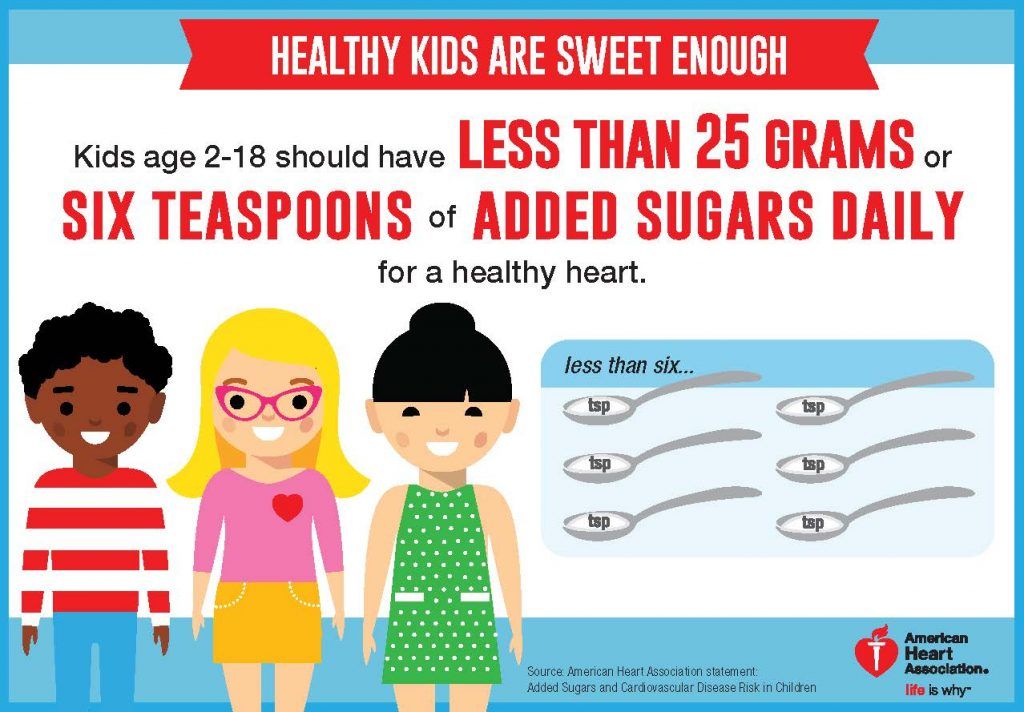
Maintaining a dietary balance requires a strict understanding of how much added sugar the body can handle. The AHA provides specific benchmarks for this: men should limit their added sugar intake to no more than 36 grams per day, while women should limit theirs to 25 grams.
To put those numbers into perspective, the Dietary Guidelines for Americans suggest that added sugars should make up no more than 10% of total daily calories. For an individual consuming 2,000 calories a day, that limit is 200 calories from sugar.
“Since foods and beverages high in sugar also tend to be high in calories, managing sugar intake is crucial for overall dietary balance,” Stephani Johnson, D.C.N., R.D.N., Rutgers University School of Health Professions
The challenge arises when a single drink can nearly exhaust a person’s entire daily allowance. For example, a standard 12-ounce serving of sweetened iced tea can contain between 27 and 35 grams of added sugar. For a woman following AHA guidelines, one glass of sweet tea could exceed her entire daily limit of 25 grams.
The hidden sugar trap in fruit juices
Fruit juice is frequently perceived as a health food, but the nutritional reality is more complex. The primary issue is the loss of fiber that occurs when fruit is processed into a liquid. This removal of fiber changes how the body absorbs sugar compared to eating whole fruit. Jason Ewoldt, M.S., R.D.N., a wellness dietitian at the Mayo Clinic, notes that whole fruit is a superior choice because it contains less sugar and provides a critical nutrient that juices lack: fiber.
Beyond the loss of fiber, the ingredients in store-bought juices can be misleading. Some products list fruit juice concentrates further down the ingredients list, while water and high fructose corn syrup serve as the primary components.
“Some juices contain water and high fructose corn syrup as primary ingredients, with fruit juice concentrates appearing further down the ingredients list,” Stephani Johnson, D.C.N., R.D.N., Rutgers University School of Health Professions
Even when a label claims 100 percent fruit juice, moderation remains necessary. Research indicates that an eight-ounce cup of such juice can contain up to 37 grams of sugar, which may contribute to weight gain.
Practical substitutions for sugar reduction
Reducing liquid sugar does not require a total elimination of flavor, but rather a shift toward dilution and whole-food alternatives. For those who enjoy the taste of juice, experts suggest using seltzer with a splash of juice or diluting juice with 50 percent water to lower the sugar concentration per serving.
The same logic applies to tea. While unsweetened versions are a viable option, the addition of sugar transforms the beverage into a high-calorie drink. As Jason Ewoldt explains, As with any sugary beverages, sweetened tea means high sugar and high calories
.
By auditing the ingredients list—looking specifically for high fructose corn syrup and concentrates—and prioritizing whole fruits over their juiced counterparts, consumers can better align their beverage choices with the guidelines set by the AHA and other health authorities. The shift from processed liquids to whole foods reduces the risk of caloric imbalance and helps keep blood sugar levels in check, as reported by AOL.