American Academy of Pediatrics Receives 2026 Balmis Distinction for Commitment to Evidence-Based Childhood Vaccination
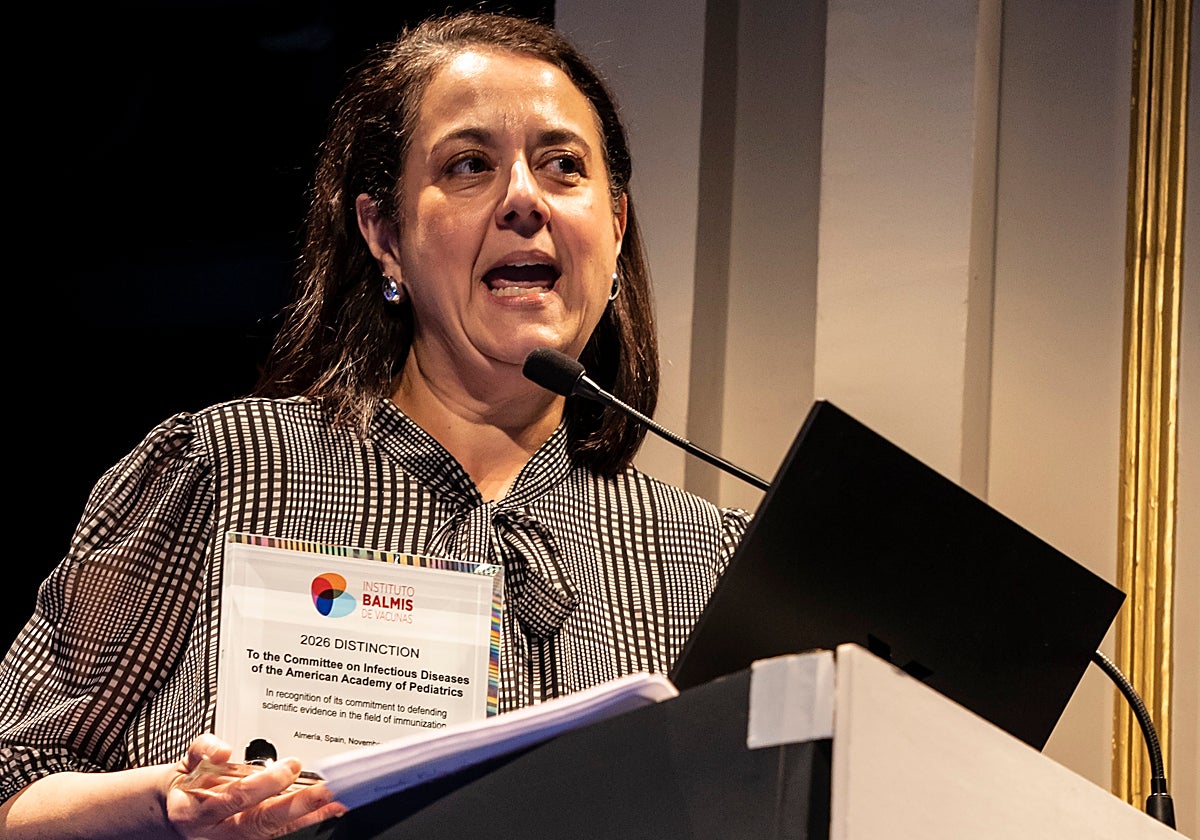
The American Academy of Pediatrics (AAP) received the 2026 Balmis Distinction in Almería on November 28 for its continued adherence to evidence-based childhood vaccination recommendations, according to Ideal.
The award recognized the organization’s commitment to scientific rigor despite a year of conflict between the medical community and U.S. health authorities. The AAP maintained its own vaccination protocols following federal policy changes in January that were subsequently suspended by the courts, Ideal reported.
Dr. Mónica Ardura, chief of the Division of Infectious Diseases at Nationwide Children’s Hospital in Ohio, accepted the award on behalf of the AAP’s Committee on Infectious Diseases. She emphasized that the institution remains dedicated to promoting guidelines that prioritize child health.
“The American Academy of Pediatrics and its Committee on Infectious Diseases continue to be committed to promoting evidence-based guidance that optimizes the health and well-being of infants, children, and adolescents,” Ardura told Ideal.
Ardura said that the protection of vulnerable patients, such as those who are immunocompromised or transplant recipients, relies heavily on community immunity. She said that because these children often cannot receive vaccines or fail to generate a strong immune response, they depend on high vaccination rates among the general population for protection.
Regarding the rise of preventable diseases, Ardura pointed to active measles outbreaks in the United States as a direct consequence of vaccination gaps. She explained that these outbreaks occur when community protection for the measles, mumps, and rubella (MMR) vaccine drops below the required 95% threshold.
“It is a preventable harm, caused mainly by the lack of vaccination with the triple viral, which causes herd immunity to fall below the necessary 95% threshold,” Ardura said to Ideal.
Ardura attributed the current public health challenges to a climate of misinformation and a lack of transparency regarding policy changes. She argued that this environment generates deliberate chaos, which erodes public trust in scientific institutions.
Reflecting on the COVID-19 pandemic, Ardura acknowledged that the scientific community could have been clearer in explaining that health recommendations are dynamic processes that evolve as new data becomes available.
She suggested that while the pandemic negatively impacted trust in vaccines with long-standing safety records, pediatricians must continue to address family concerns without judgment.
“When a father or mother raises doubts in the office, they usually stem from the fear of harming their child, a fear that is often fueled by misinformation on social networks,” Ardura told Ideal.
She highlighted Spain’s vaccination strategy as a global reference point, particularly its universal immunization program against respiratory syncytial virus (RSV) using monoclonal antibodies. According to Ardura, Spain’s success in maintaining high immunization rates is supported by a strong public health system and effective collaboration with schools.