
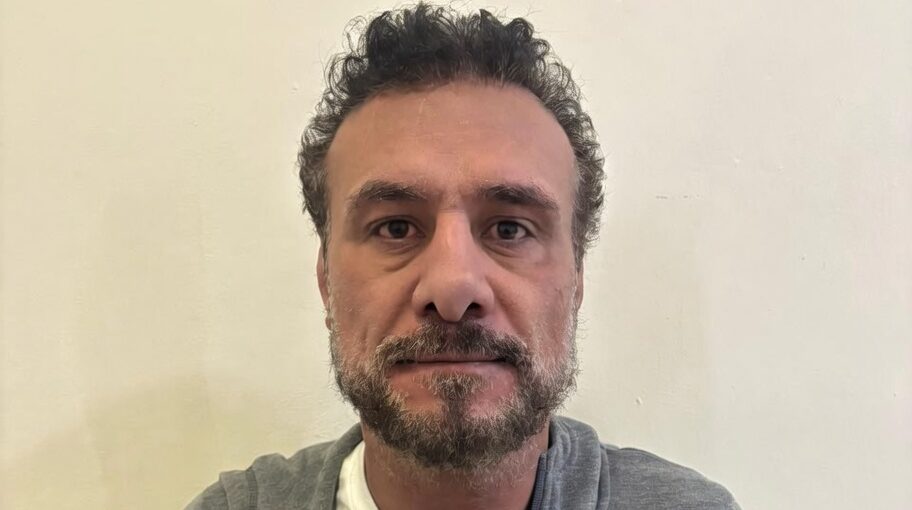
Alberto Del Rio Released From Custody After Domestic Violence Settlement
Alberto Del Rio, born José Alberto Rodríguez Chucuan, has been released from custody in San Luis Potosí, Mexico. The former WWE superstar secured his release after paying a 1.13 million peso settlement to his wife to resolve a domestic violence case involving charges of repeated family violence.
The intersection of high-profile athletic branding and criminal liability creates a volatile financial environment. When an athlete of Del Rio’s stature faces the precipice of a 20-year prison sentence, the primary objective shifts from career longevity to immediate risk mitigation. This case highlights a recurring problem in the professional sports ecosystem: the failure to align personal conduct with the stringent morality clauses found in elite contracts. The financial settlement of 1.13 million pesos is not merely a legal transaction but a strategic maneuver to avoid long-term custodial incarceration that would effectively erase any remaining marketability or endorsement potential.
The Legal Mechanics of the San Luis Potosí Release
The legal proceedings in San Luis Potosí reached a critical juncture when Del Rio was formally bound over for trial. In legal terms, being bound over signifies that the court has found sufficient evidence to proceed to a full trial on the charges of repeated family violence. For a public figure, this stage represents the highest point of legal exposure, as the transition from “detained” to “formally charged” typically triggers the activation of morality clauses in existing business partnerships and sponsorship agreements.
The decision to pursue a financial settlement suggests a tactical pivot toward civil resolution to alleviate criminal pressure. By reaching an agreement with the complainant, the defense can often negotiate for a release from custody or a reduction in the severity of the proceedings. This represents a common strategy in high-stakes litigation where the defendant possesses the liquidity to resolve disputes through monetary compensation in exchange for avoiding the maximum sentencing guidelines.
The gravity of the initial charges cannot be understated. The potential for a 20-year sentence indicates that the prosecution was viewing the “repeated” nature of the family violence as an aggravating factor. In the realm of sports law, such charges create a “dead-cap” effect on a person’s brand—not in terms of a salary cap, but in terms of the total loss of future earnings and the inability to secure new ventures.
Case Analysis: Financial and Legal Exposure
To understand the scale of the risk Del Rio faced, it is necessary to examine the specific components of the case as reported by El Mañana SLP and other verified sources. The following table breaks down the critical variables of the detention and subsequent release.
| Case Variable | Detail |
|---|---|
| Defendant | José Alberto Rodríguez Chucuan (Alberto Del Rio) |
| Jurisdiction | San Luis Potosí, Mexico |
| Primary Charge | Repeated Family Violence |
| Settlement Amount | 1.13 Million Pesos |
| Maximum Legal Risk | Possible 20-Year Prison Sentence |
| Current Status | Released from Custody |
The 1.13 million peso settlement serves as a pragmatic exit strategy. While the amount is significant, it is a fraction of the theoretical cost of a two-decade incarceration, which would include not only the loss of income but the massive legal fees associated with a protracted criminal defense in the Mexican court system. This is where the need for specialized criminal defense counsel becomes paramount; navigating the nuances of “binding over” and settlement negotiations requires an intimate knowledge of local statutes and judicial tendencies.
Regional Economic Impact and Legal Infrastructure
The detention and release of a global sports icon in San Luis Potosí bring an intense spotlight to the regional legal infrastructure. When high-net-worth individuals enter the local judicial system, it often creates a surge in demand for premium legal services and high-security logistics. The movement of a high-profile prisoner and the subsequent coordination of a million-peso settlement require a level of precision that only elite firms can provide.

This surge in high-profile litigation often has a halo effect on the local business community. The necessity for secure transport, private legal consultation rooms and discreet hospitality for legal teams creates a temporary economic spike for corporate security and risk management firms. These entities are tasked with ensuring that the transition from custody to freedom occurs without security breaches or public disturbances, which is critical for maintaining the dignity of the court and the safety of the involved parties.
the “repeated” nature of the violence charges underscores a systemic need for integrated support systems. In professional sports, the transition from the adrenaline of the ring or field to civilian life often requires rigorous psychological scaffolding. The absence of such support frequently leads to the types of behavioral volatility seen in this case. For athletes and high-performers struggling with these transitions, accessing vetted behavioral health and counseling services is the only way to prevent legal liabilities from becoming career-ending catastrophes.
The Long-Term Brand Trajectory
As we move through the 2026 sports calendar, the narrative surrounding Alberto Del Rio will likely shift from the courtroom to the court of public opinion. While the financial settlement secures his physical freedom, it does not automatically restore his professional equity. In the modern era of sports business, “repeated family violence” is a label that creates a permanent barrier to entry for major corporate sponsorships and league-sanctioned returns.
The path forward for Del Rio will depend on his ability to demonstrate a commitment to rehabilitation and legal compliance. The financial settlement is a conclusion to a specific legal episode, but the reputational damage is a long-term liability that requires a different kind of management. The industry standard for recovery now involves transparent, third-party verified rehabilitation programs and a complete overhaul of the athlete’s public-facing image.
this case serves as a cautionary tale for the sports world. The ability to pay one’s way out of custody is a luxury of the elite, but it cannot buy back a destroyed legacy. For those navigating the complexities of sports law, crisis management, or professional rehabilitation, the World Today News Directory remains the premier resource for finding vetted legal and medical professionals capable of handling high-stakes personal and professional crises.
Disclaimer: The insights provided in this article are for informational and entertainment purposes only and do not constitute medical advice or sports betting recommendations.