
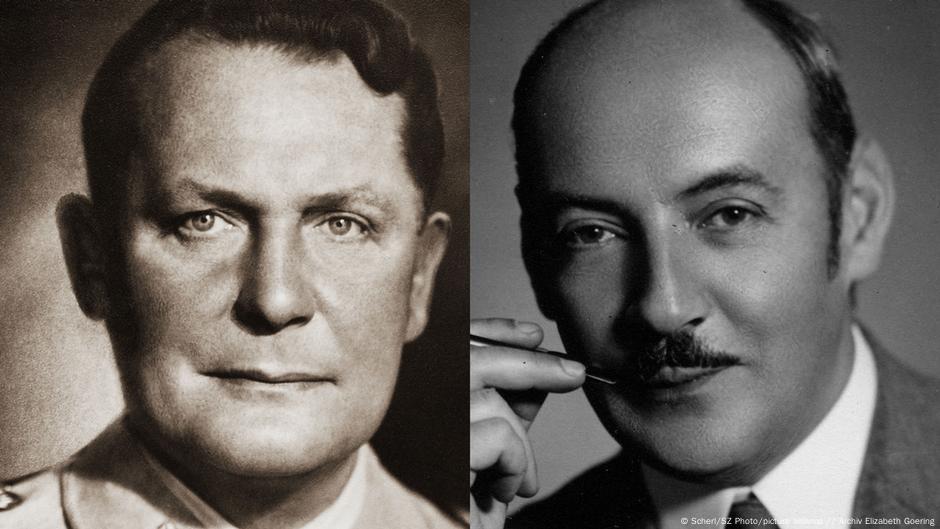
Unexpected Heroism: The Divergent Paths of the Göring Brothers
nuremberg, Germany – November 6, 2025 – While Hermann Göring became the infamous face of Nazi Germany, his brother albert quietly risked his life to save Jews and others persecuted by the regime, a story only now gaining wider recognition thanks to years of research by Australian author William Hastings Burke. The stark contrast between the two men offers a compelling, and often overlooked, chapter in World War II history.
Hermann Göring, a leading figure in the Nazi Party and commander of the Luftwaffe, was sentenced to death at the Nuremberg Trials but committed suicide the night before his scheduled execution. His brother, Albert, an engineer, faced a far different fate - and a far more complex interrogation.In a September 19, 1945, report, US investigator Paul Kubala described Albert’s attempts to distance himself from the Nazi regime as “a clever piece of rationalization and ‘whitewash’,” noting his “lack of subtlety is matched only by the bulk of his obese brother.”
Albert Göring claimed to have saved the lives of 34 people, listing their names alphabetically and stating he did so “at my own risk (three Gestapo arrest warrants!).” despite the list including prominent individuals, authorities never investigated the claims.
A turning point came with the assignment of a new interrogation officer, Victor Parker, who discovered he was related to Sophie Léhar, a name on Albert’s list.Shortly thereafter, Albert was released. However, he returned to a life of ostracism in postwar Germany, unable to find work as an engineer and surviving on odd jobs and translations. He remained a social pariah until his death in 1966 at the age of 71.
Burke, captivated by Albert’s story after seeing a television report, dedicated years to researching his life, scouring archives and interviewing those who knew him. “It’s such a sad story,” Burke saeid. “I thought, I need to tell the world about this man.” He published his findings in 2015, portraying Albert as a man who “stood up to this regime” but sought no recognition for his actions, simply “preserving his humanity.”
Burke believes Albert’s story holds relevance today, stating, “I think that’s a very powerful example that’s really important for today.” He has submitted a request to Yad Vashem to have Albert Göring recognized as “Righteous Among the Nations,” a designation for non-Jews who risked their lives to save Jews during the Holocaust, and awaits a decision. The case highlights the complexities of moral courage and the enduring legacy of individuals who defied even the most brutal regimes.
