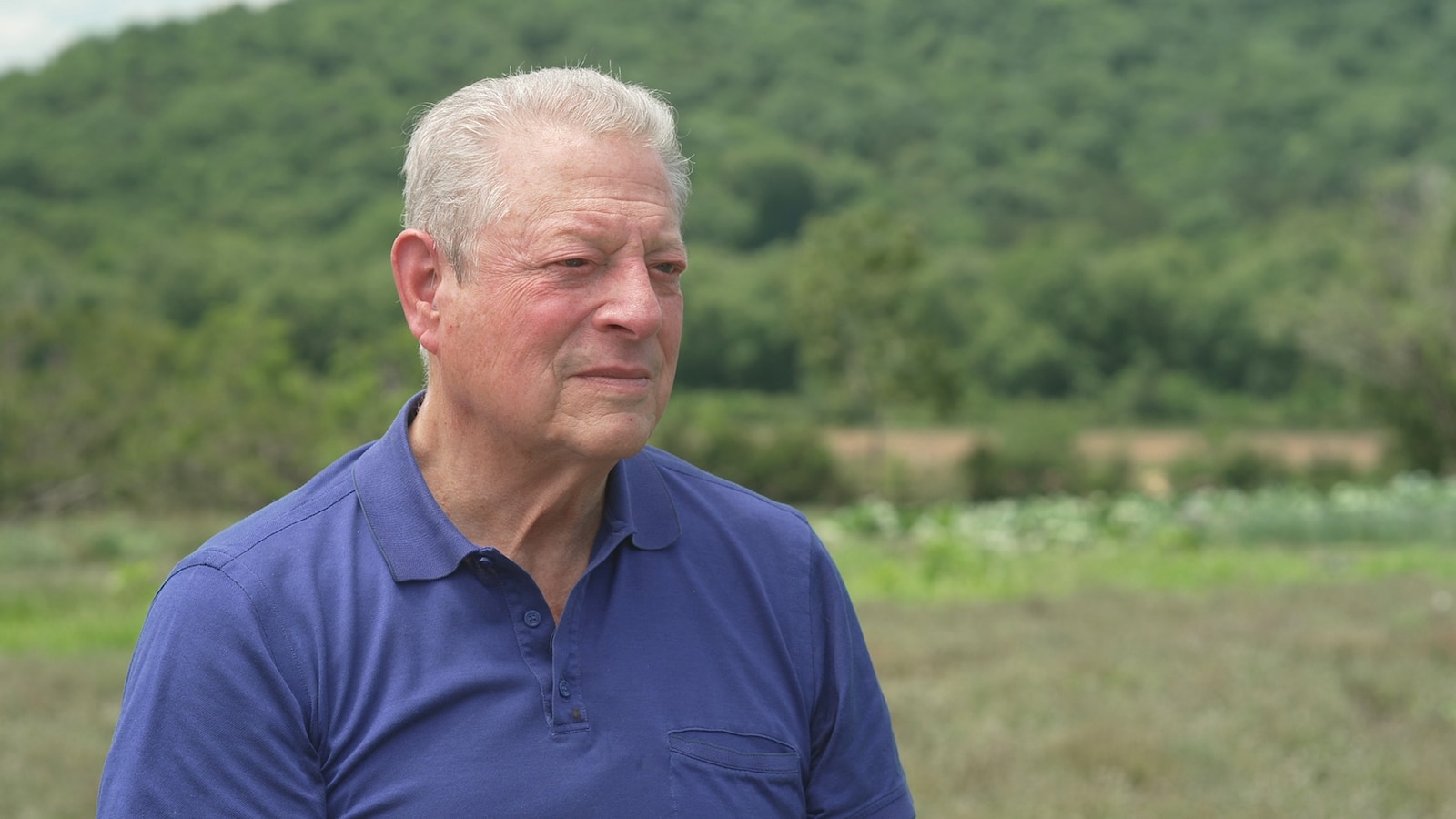
Al Gore Reaffirms Climate Science 20 Years After An Inconvenient Truth
Twenty years after the documentary An Inconvenient Truth debuted, former U.S. Vice President Al Gore asserts that the climate projections detailed in the film have been validated by two decades of environmental data. As global temperatures hit record highs in 2026, the focus has shifted from debating climate science to the urgent, costly task of infrastructure adaptation and systemic policy reform.
The Scientific Consensus vs. Two Decades of Data
In 2006, the release of An Inconvenient Truth brought the concept of anthropogenic global warming into mainstream discourse. Critics at the time questioned the film’s urgency, labeling its predictions as alarmist. Today, those same projections align closely with observed meteorological trends. According to NASA’s Vital Signs of the Planet, the Earth’s average surface temperature has risen by approximately 1.1 degrees Celsius since the late 19th century, with the majority of the warming occurring in the last two decades—the exact window since Gore’s film hit theaters.
The correlation between carbon emissions and extreme weather events is no longer a matter of theoretical modeling. It is a matter of record. The Intergovernmental Panel on Climate Change (IPCC) reports provide the bedrock for this confirmation, noting that human influence has unequivocally warmed the atmosphere, ocean, and land.
The scientific reality has not shifted, but the intensity of the physical consequences has accelerated beyond the median expectations of 2006. We are no longer discussing a future threat; we are managing a present-day crisis of systemic instability.
The Economic Reality of Climate Adaptation
While the science remains consistent, the economic burden of inaction has grown significantly. Municipalities across the United States and Europe are currently grappling with the reality that aging infrastructure—built for a climate that no longer exists—is failing to withstand modern weather extremes. From coastal flooding in Florida to drought-induced water shortages in the American West, local governments are facing massive capital expenditure requirements.
For private property owners and developers, this shift necessitates a fundamental change in risk management. As insurance markets retract from high-risk zones, the demand for specialized professional oversight has surged. Property owners are increasingly turning to environmental law firms to navigate changing zoning regulations and liability risks associated with climate-resilient construction.
Regional Vulnerability and Infrastructure Stress
The impact of these environmental shifts varies by geography. In coastal jurisdictions, the primary concern is sea-level rise affecting municipal drainage and sewage systems. Inland, the focus has moved toward grid resiliency and fire-suppression capabilities. The following table outlines how different sectors are responding to these long-term environmental pressures:
| Sector | Primary Climate Risk | Adaptation Strategy |
|---|---|---|
| Municipal Utilities | Grid failure from extreme heat | Decentralized energy storage |
| Commercial Real Estate | Increased flood insurance premiums | Retrofitting for flood mitigation |
| Agriculture | Unpredictable precipitation cycles | Precision irrigation adoption |
Dr. Elena Vance, a lead policy researcher at a regional urban planning institute, highlights that the gap between policy intent and physical reality remains the largest hurdle for cities. “We are seeing a disconnect where municipal codes are still based on 20th-century historical averages. That is a liability for every taxpayer in the region,” Vance noted.
“The infrastructure we build today must be designed for the climate of 2050, not the climate of 2006. Any project failing to account for these specific, high-probability environmental vectors is essentially a stranded asset before it is even finished.”
Mitigation and Professional Intervention
As the conversation matures, the focus has moved from advocacy to implementation. Organizations are now tasked with auditing their carbon footprints, not just for corporate responsibility, but for regulatory compliance under emerging frameworks. For companies struggling to meet these new standards, accessing vetted sustainability consultants has become a standard operational necessity rather than a luxury.

Furthermore, the physical protection of assets has become a priority. As storm surges and heat-related structural decay become more frequent, the need for robust, verified emergency restoration and mitigation contractors is at an all-time high. These professionals provide the technical expertise required to harden facilities against the specific hazards identified by modern climate modeling.
The Road Ahead: Resilience as a Standard
The 20-year milestone of An Inconvenient Truth serves as a reminder that science is a predictive tool, not a political opinion. The data collected by the National Oceanic and Atmospheric Administration (NOAA) confirms that the trends identified two decades ago have largely materialized. The challenge for the next twenty years is not identifying the problem, but executing the solution.
The transition to a more resilient society will be defined by the quality of the professionals leading the change. Whether through legal navigation of new climate mandates or the engineering of infrastructure capable of surviving the coming decades, the path forward requires rigorous, evidence-based action. Readers seeking to address these vulnerabilities should consult the verified experts listed in our global professional services directory to ensure their assets and organizations are prepared for the environmental reality that is already here.